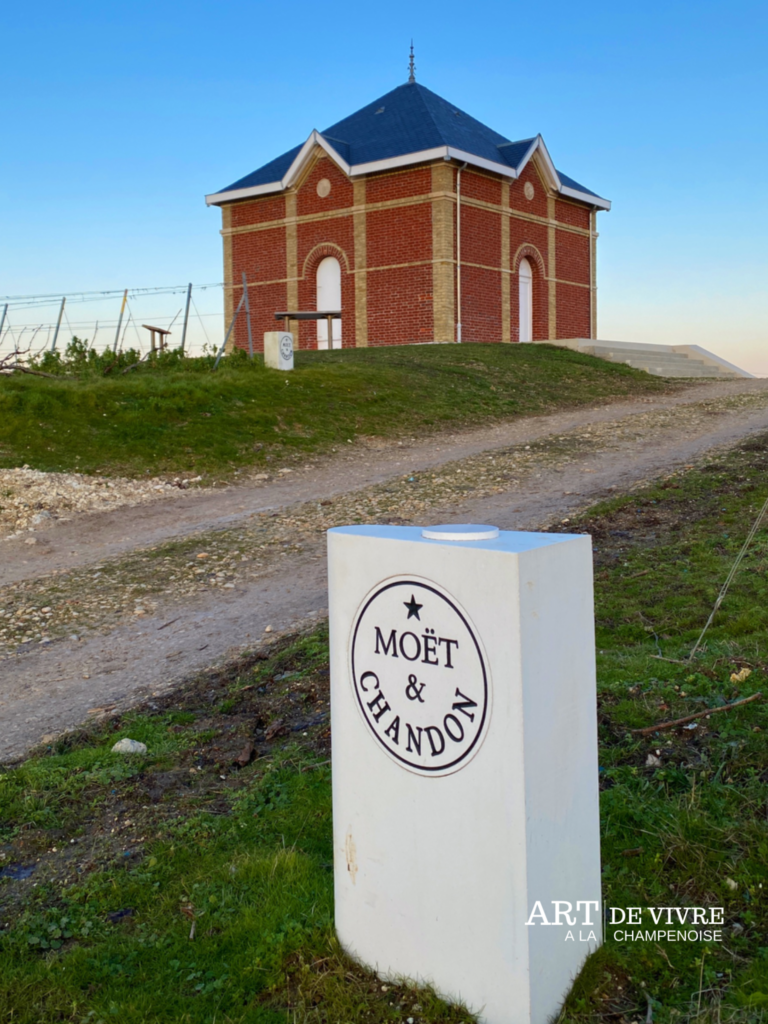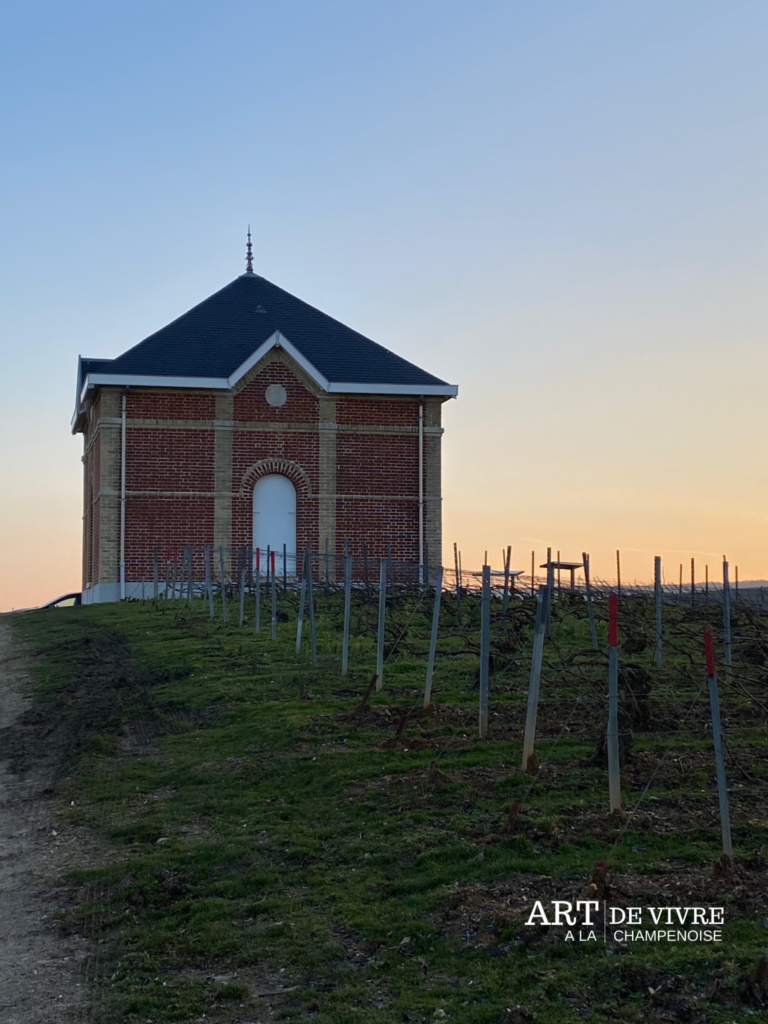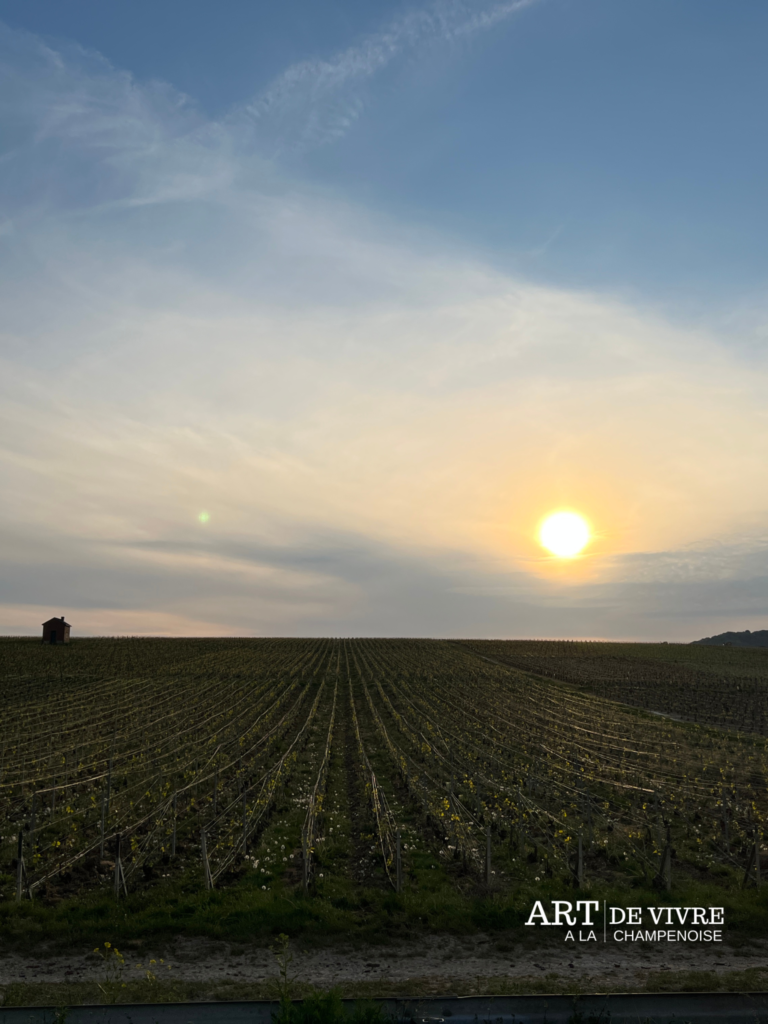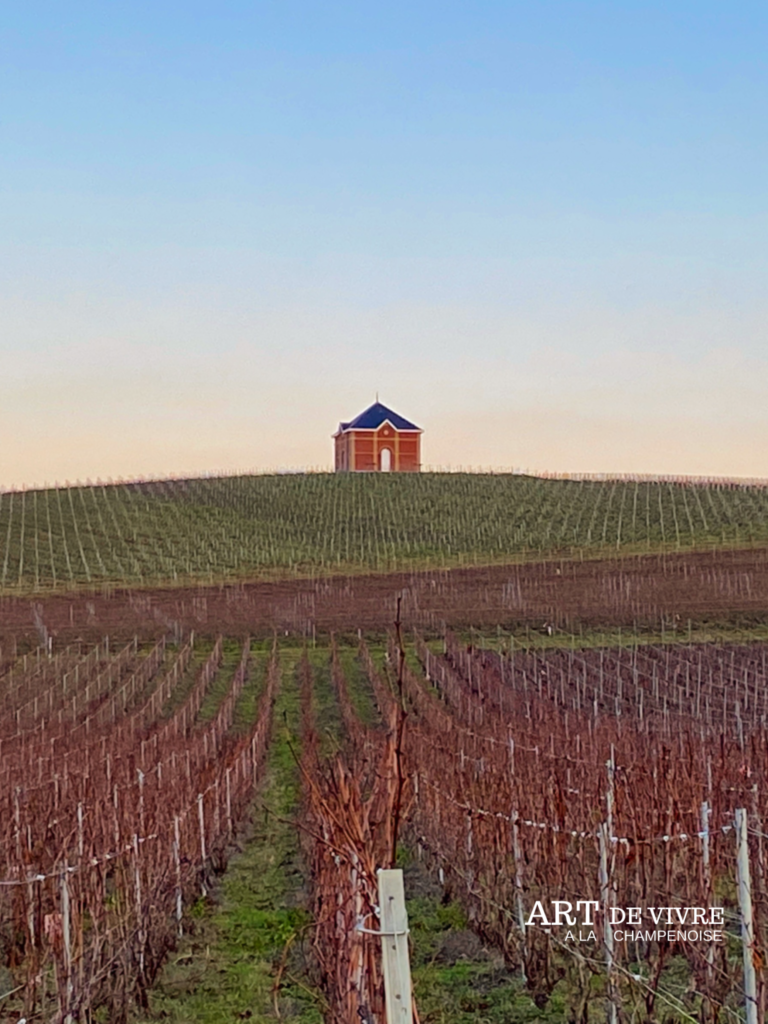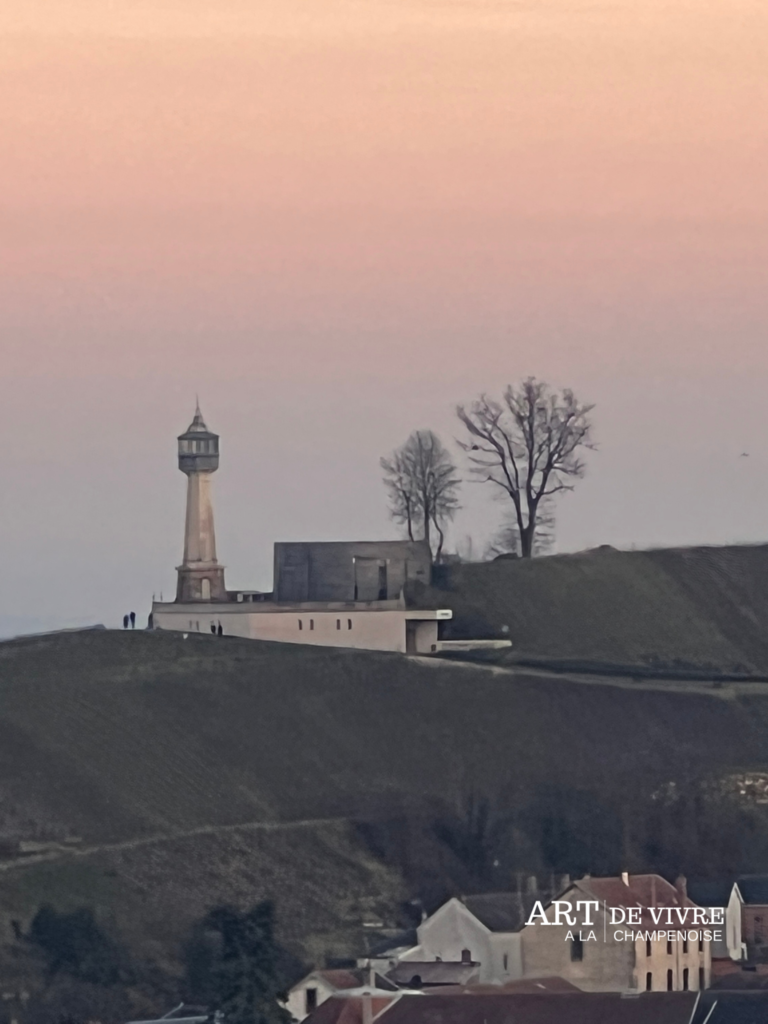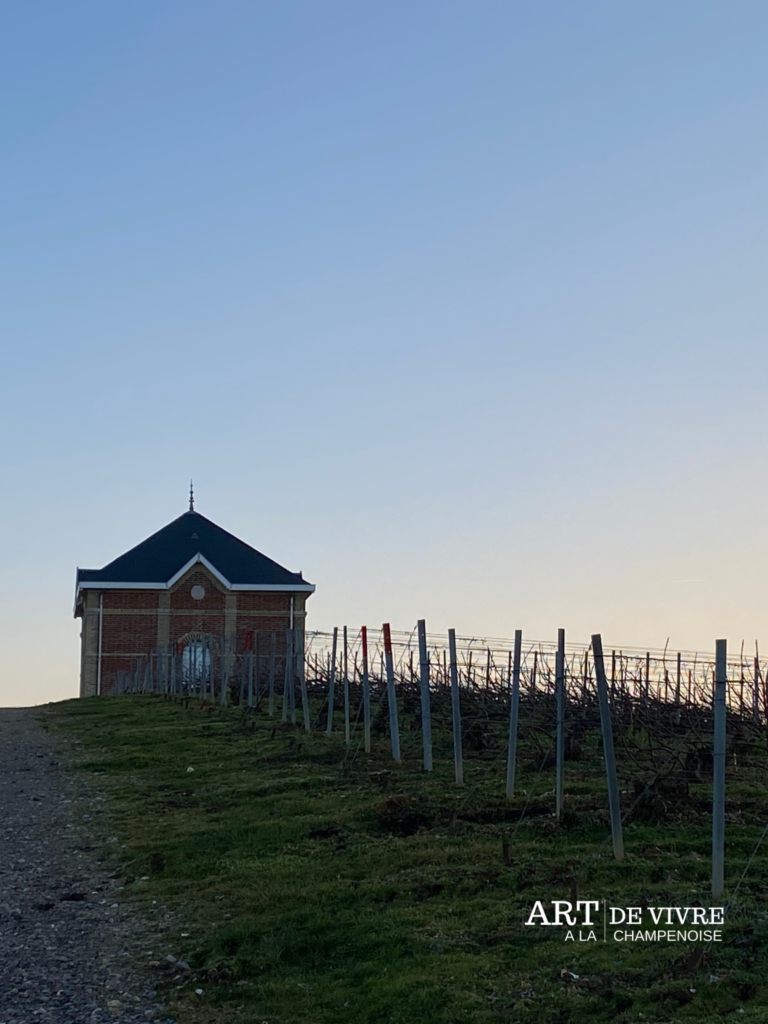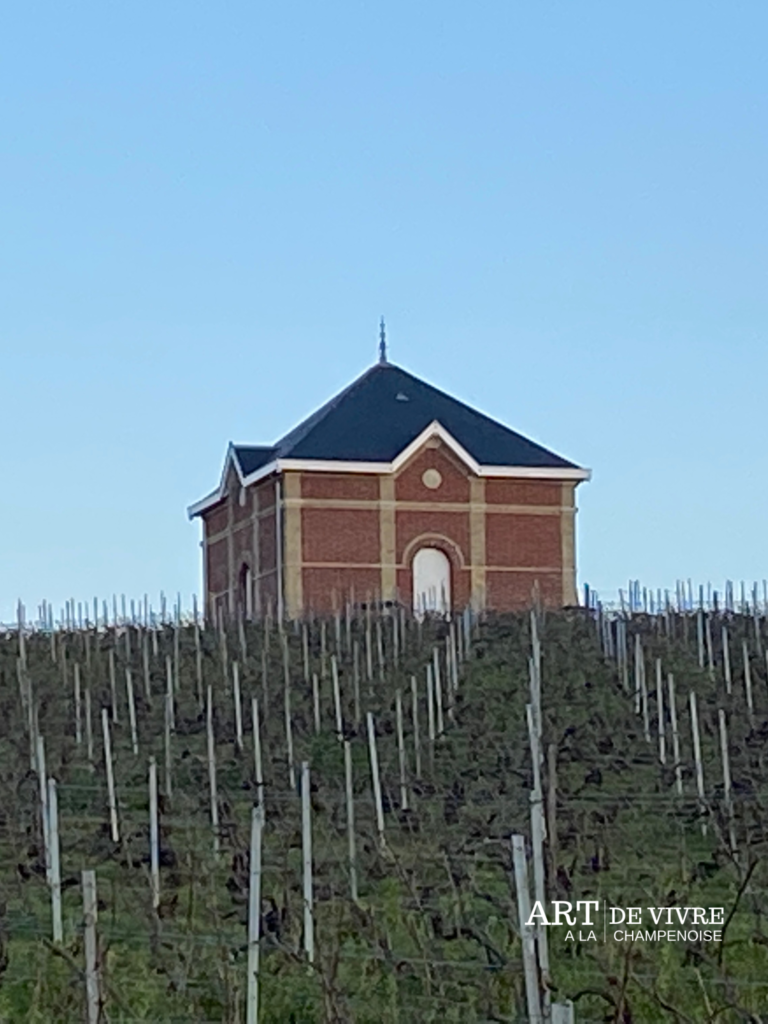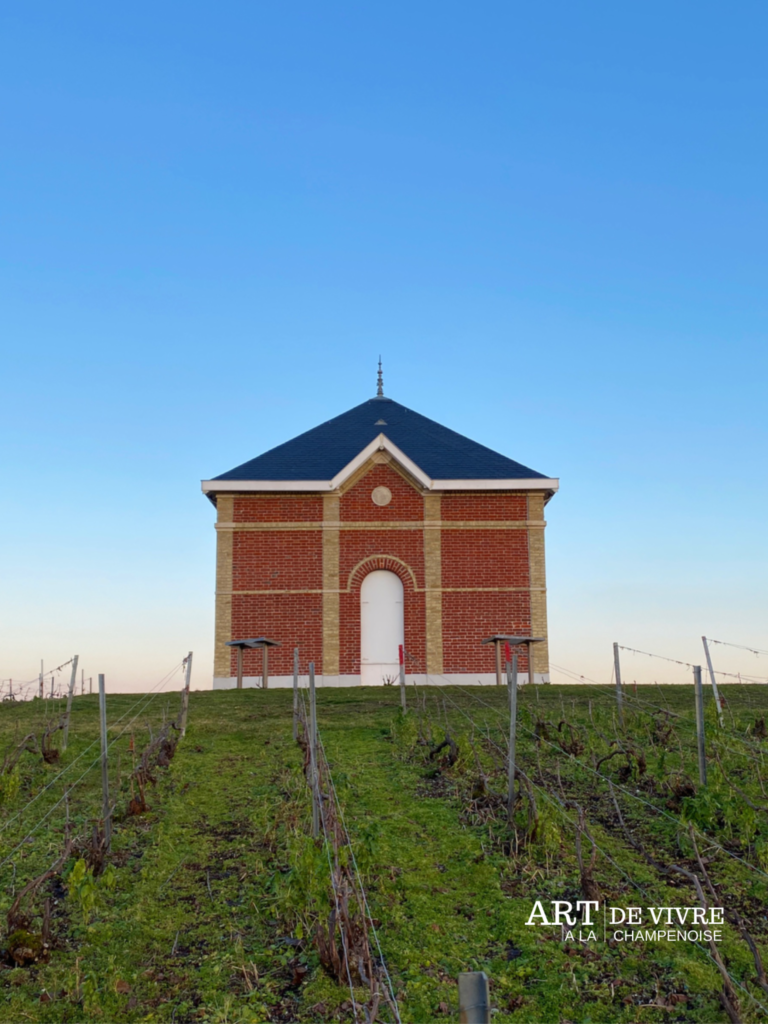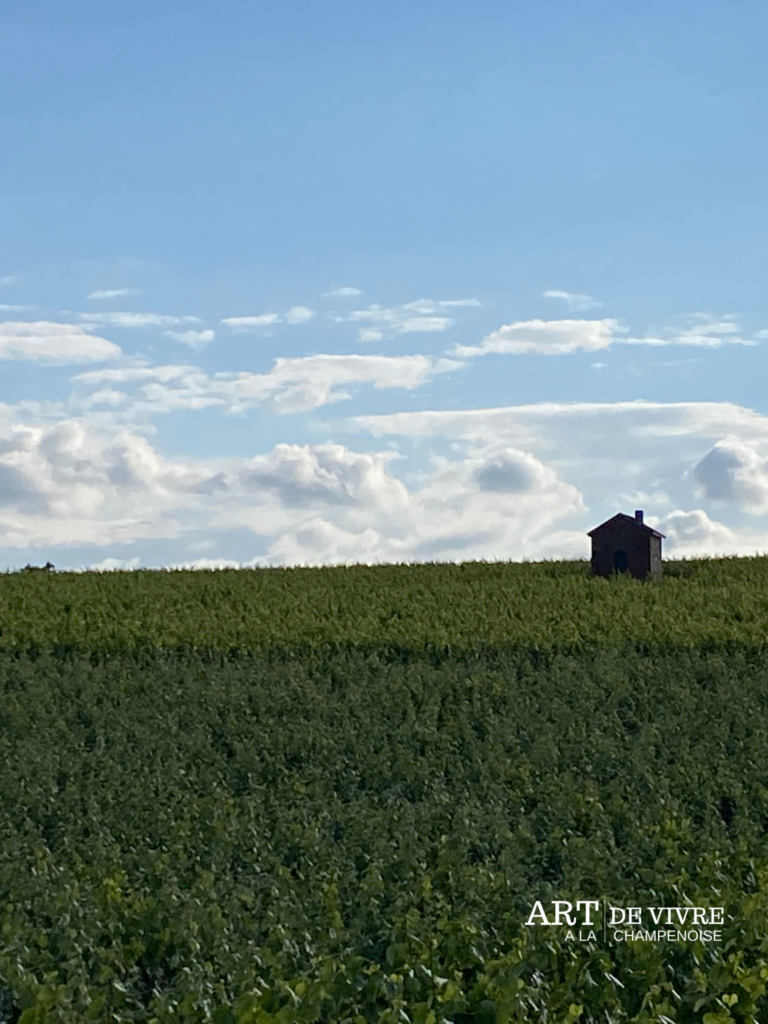

Found in the Champagne vineyard, some are famous and offer wonderful viewpoints over Champagne. But by the way, what are they for? What is their history?
The Historical Origins of the loges
Vineyard loges, also called ” vine huts ” or ” sentry boxes “, have a long history going back to the Middle Ages. Originally, these small constructions served as temporary shelters for winegrowers to protect themselves from bad weather during the long days of work in the vines. Over time, they evolved to become emblematic elements of the Champagne landscape.
A distinctive Architecture
Vineyard loges stand out for their singular architecture. Generally built of wood, they feature steeply pitched roofs to cope with the region’s sometimes harsh weather conditions. These modest structures, often painted in bright colours, add a picturesque touch to the vineyards and have become one of the symbols of Champagne identity.
What are their Current Functions?
Although vineyard loges have kept their traditional charm, their functions have evolved over time. Today, they often serve as storage places for winegrowers’ tools or as rest points for vineyard workers. Some estates also use them for outdoor tastings, offering visitors an authentic experience in the heart of the vineyards.
The Preservation of Champagne heritage
The preservation of vineyard loges is of particular importance in the Champagne vineyard. These structures are considered key elements of the region’s cultural heritage, bearing witness to centuries of wine-growing tradition. Considerable efforts are being made to restore and maintain these huts, thus ensuring their sustainability and their transmission to future generations.
Preserving Champagne landscapes and heritage are major challenges in passing on to future generations this property of exceptional interest for the common heritage of humanity. As such, the Mission Coteau, Maisons et Caves de Champagne is working on The inventory of Champagne wine landscapes aimed at getting to know the different landscapes of wine-growing Champagne in order to protect and enhance them. The architectural, heritage and landscape reference framework gives guidelines for preserving the territories in their architectural, urban-planning and landscape components, of which the loges naturally form part of this chapter. A built heritage of wine-growing Champagne, which highlights the diversity, history and richness of our Champagne landscapes.
A new use: loges, a wine-tourism attraction?
Vineyard loges also contribute to the growth of wine tourism in the Champagne region. Visitors can explore these little houses steeped in history, while discovering the secrets of producing our famous wine. This authentic immersion strengthens the vineyard’s tourist appeal, creating a memorable experience for wine lovers from around the world.
The vineyard loges of the Champagne vineyard represent much more than practical shelters. They embody the rich history and traditions deeply rooted in the wine culture of our region. From heritage preservation to the growth of wine tourism, these modest huts continue to play a central role, linking the past and present of the Champagne vineyard.
In Addition
>>> More info on the Mission Coteaux, Maisons et Caves de Champagne