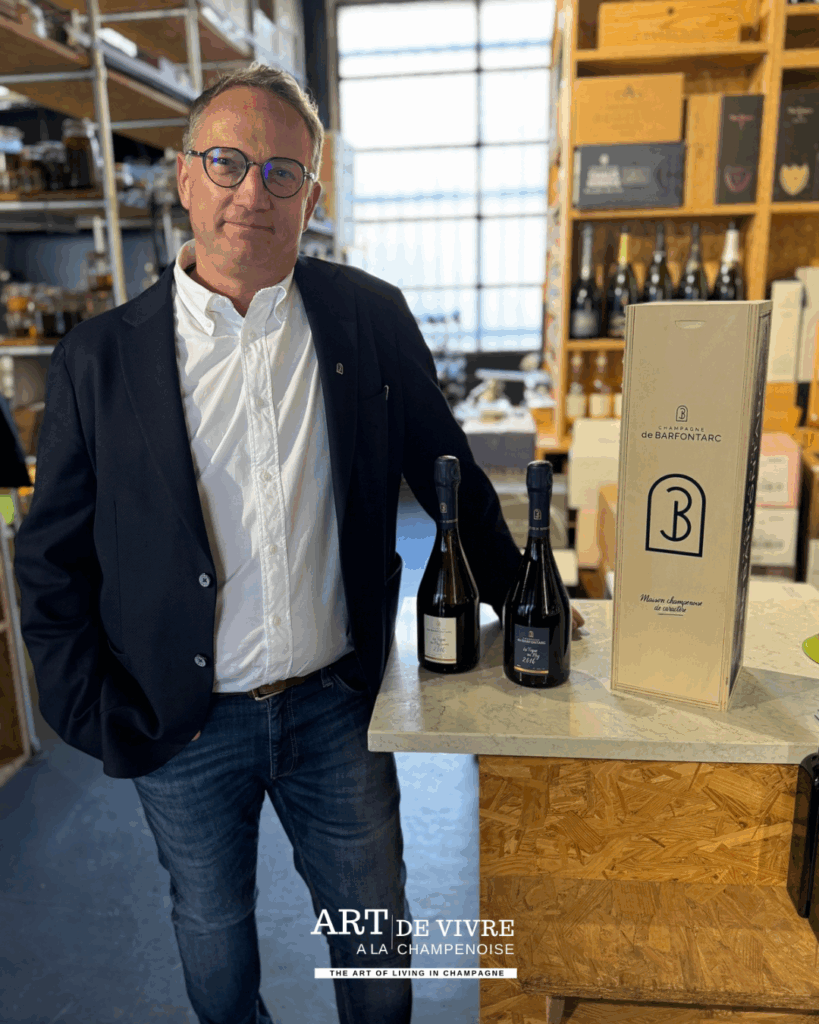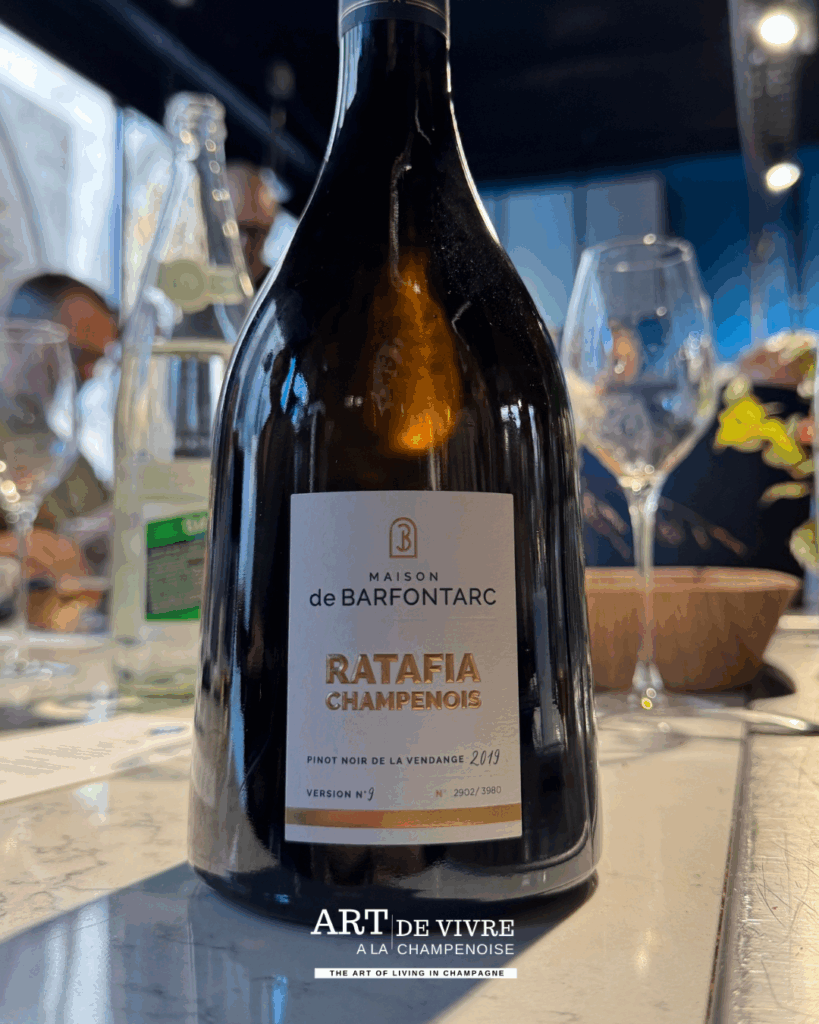

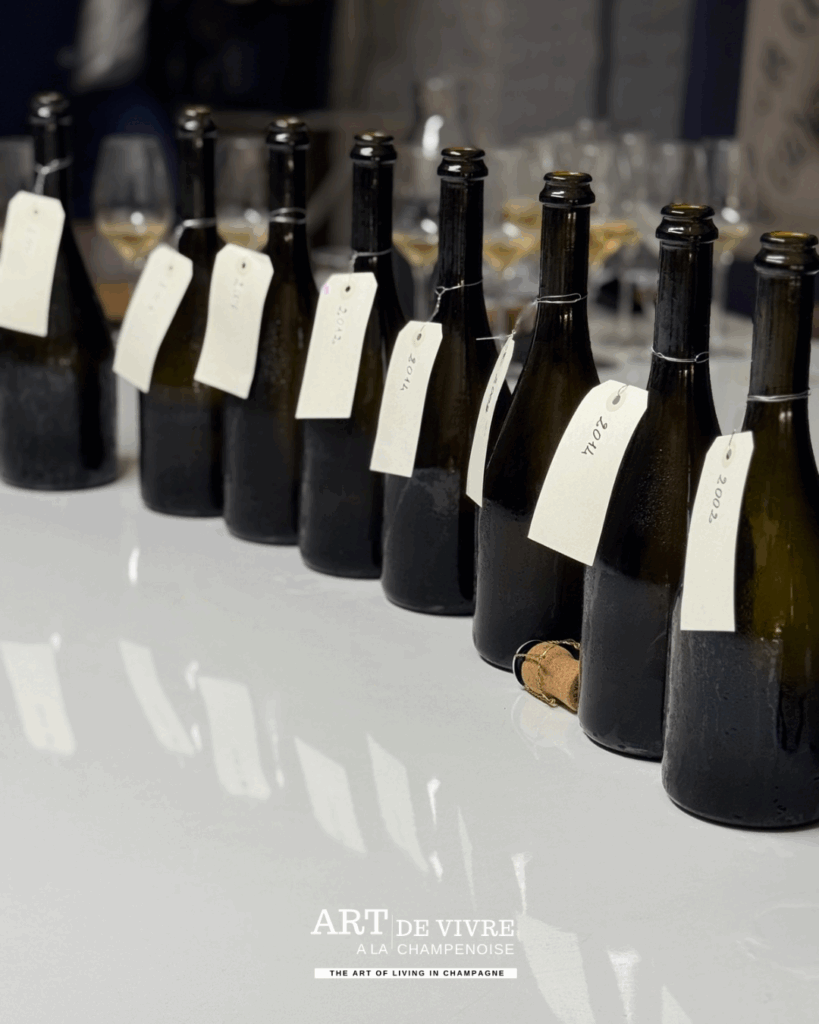
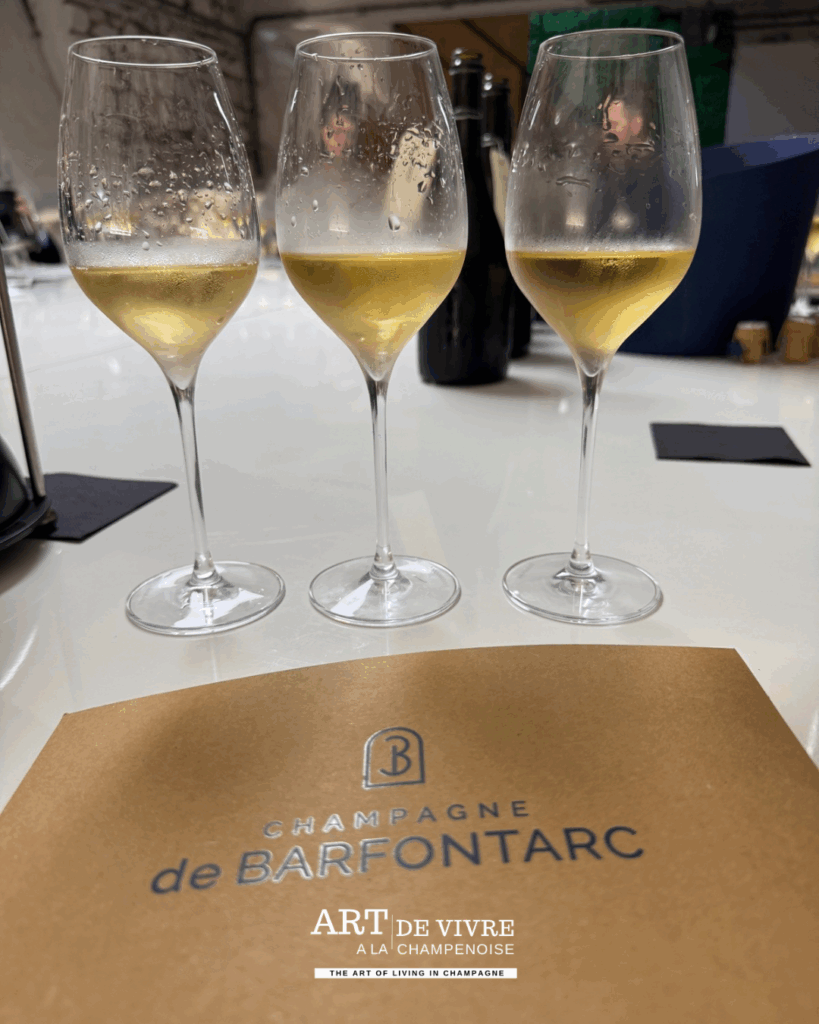
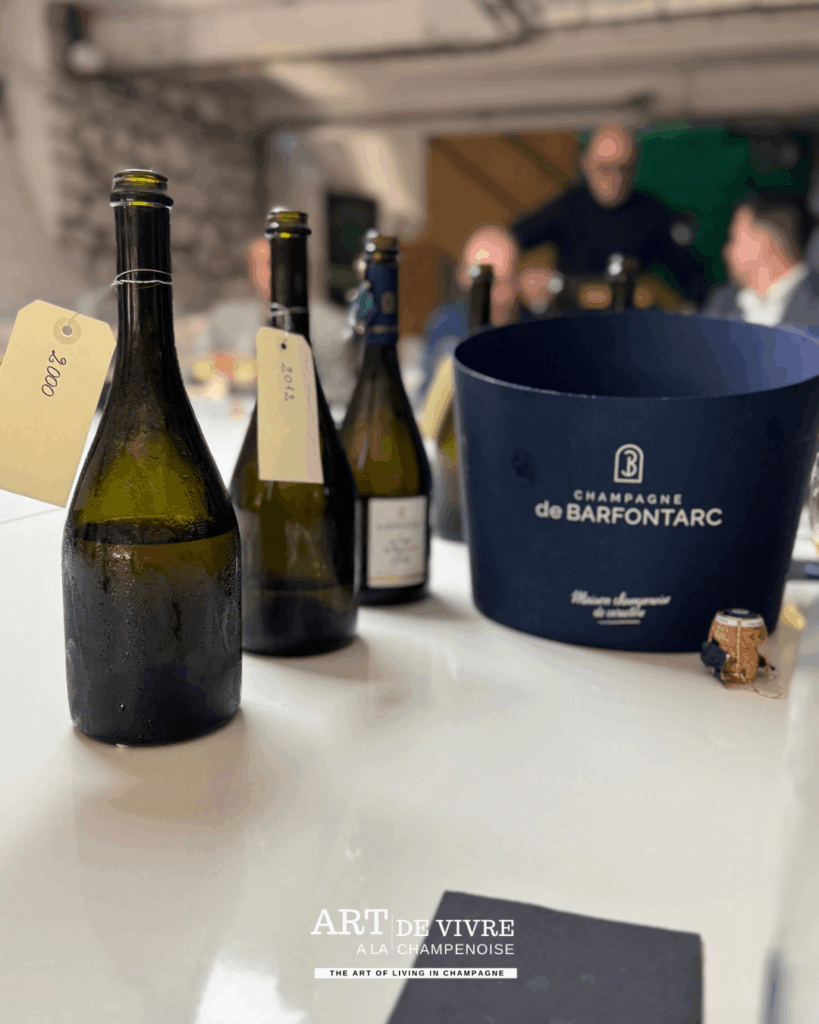
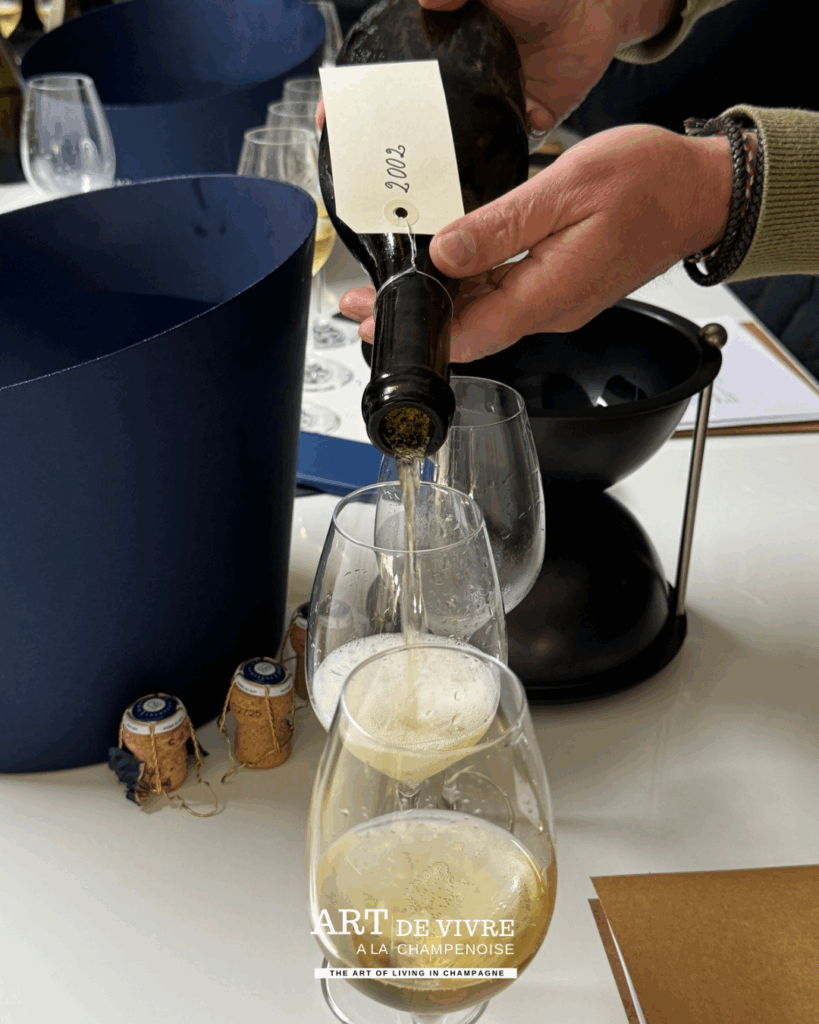
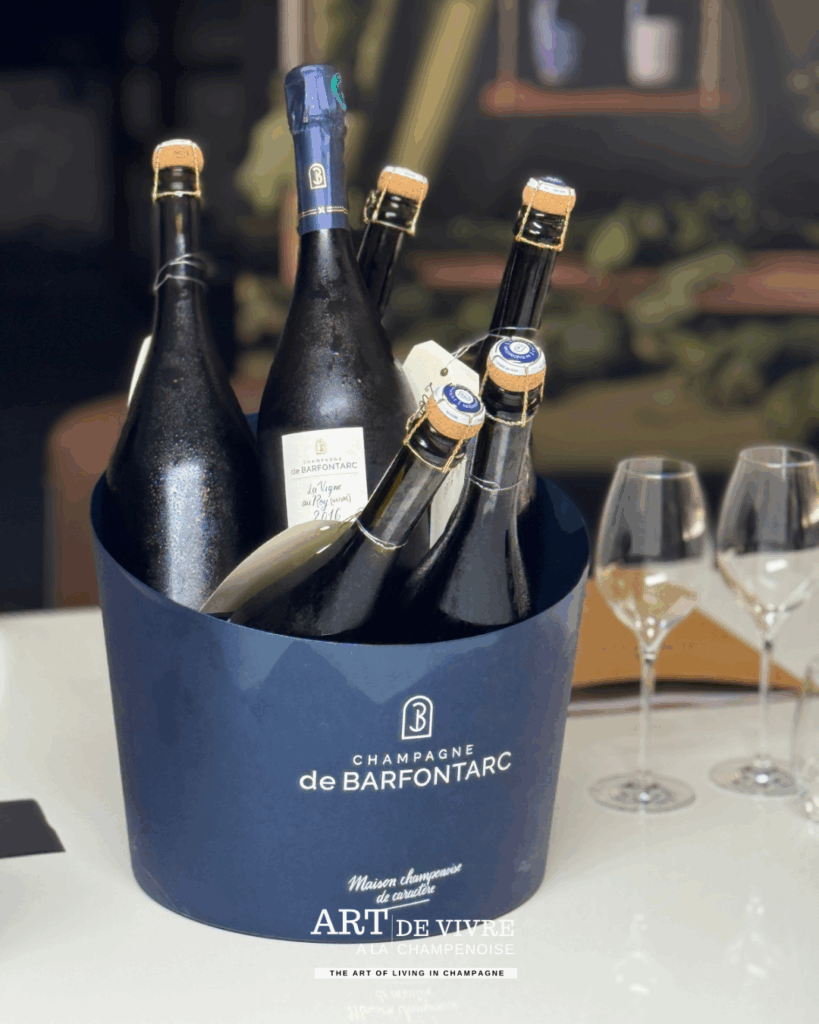
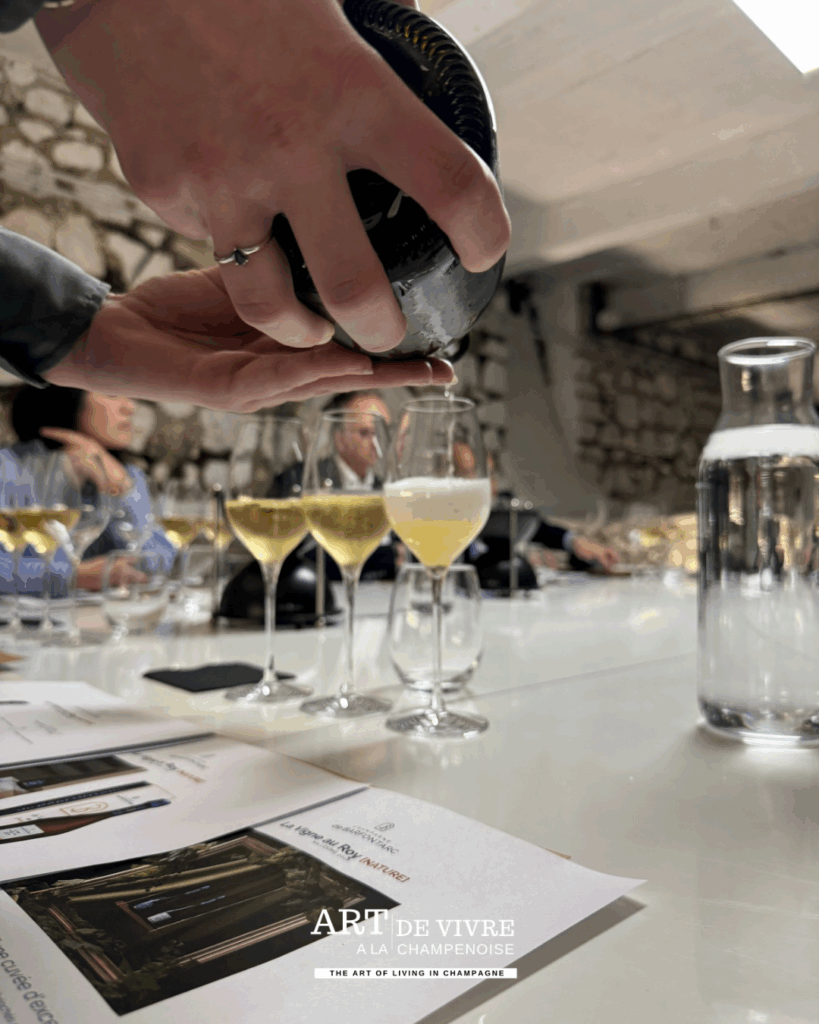
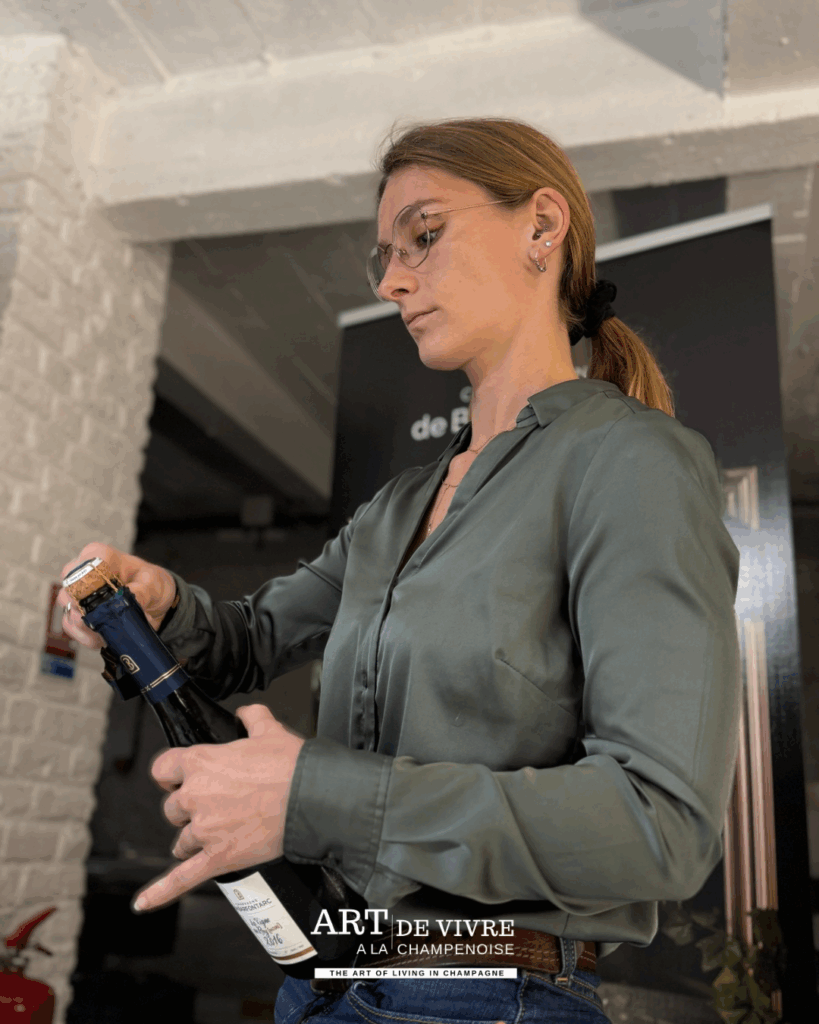
In Reims, in the light of a clear day, Maison Barfontarc offered a vertical tasting of its cuvée La Vigne au Roy. A rare, intimate and precise experience, which made it possible to read time, precision, evolution and the soul of the House’s style through the vintages, and to understand the depth of a terroir where pinot noir finds a singular expression.
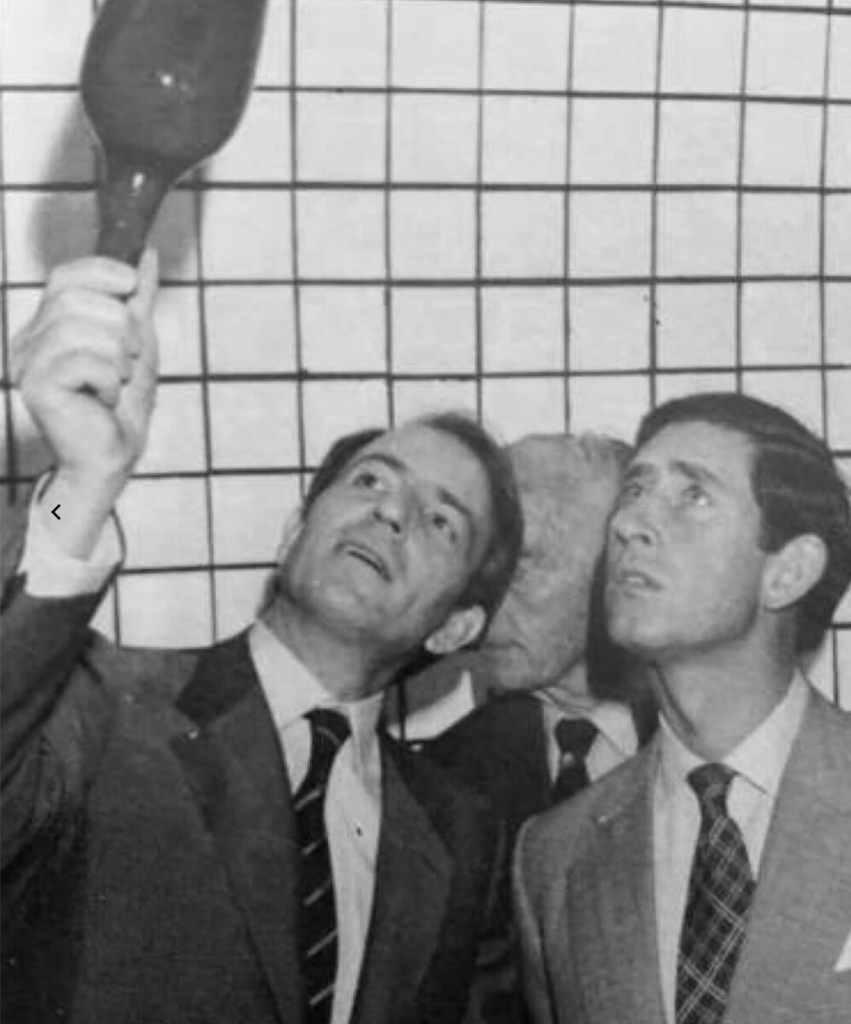
Founded in 1962, Barfontarc today brings together around fifty winegrowing families based in the villages of Baroville, Arconville, Arsonval, Dolancourt, Fontaine, Montier-en-l’Isle, Rouvres-les-Vignes and Trannes. A collective united around a simple idea: working the vine with rigour, passing on without emphasis, and letting the wine express what the Côte des Bar carries deep within. This geological foundation, often mentioned but rarely truly tasted in its long-term dimension, was the common thread of this vertical.
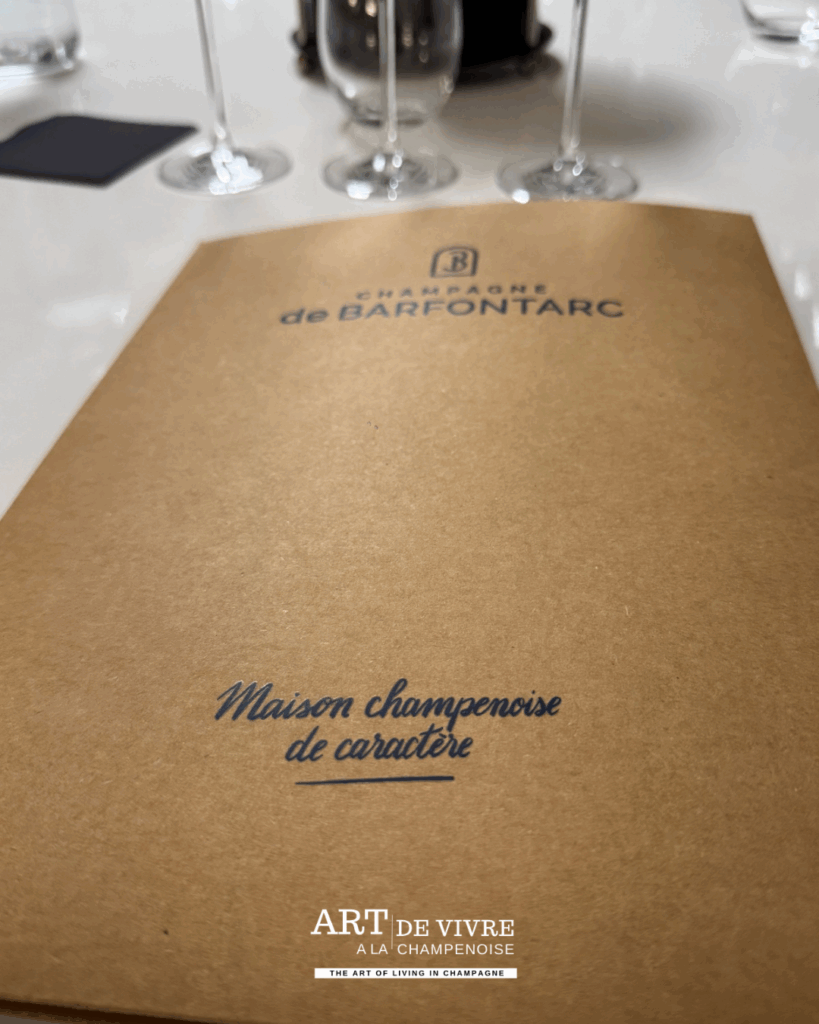
The Champagne Barfontarc vertical: time and precision
The cuvées tasted highlighted the continuity of Barfontarc’s quality and the personality of each year:
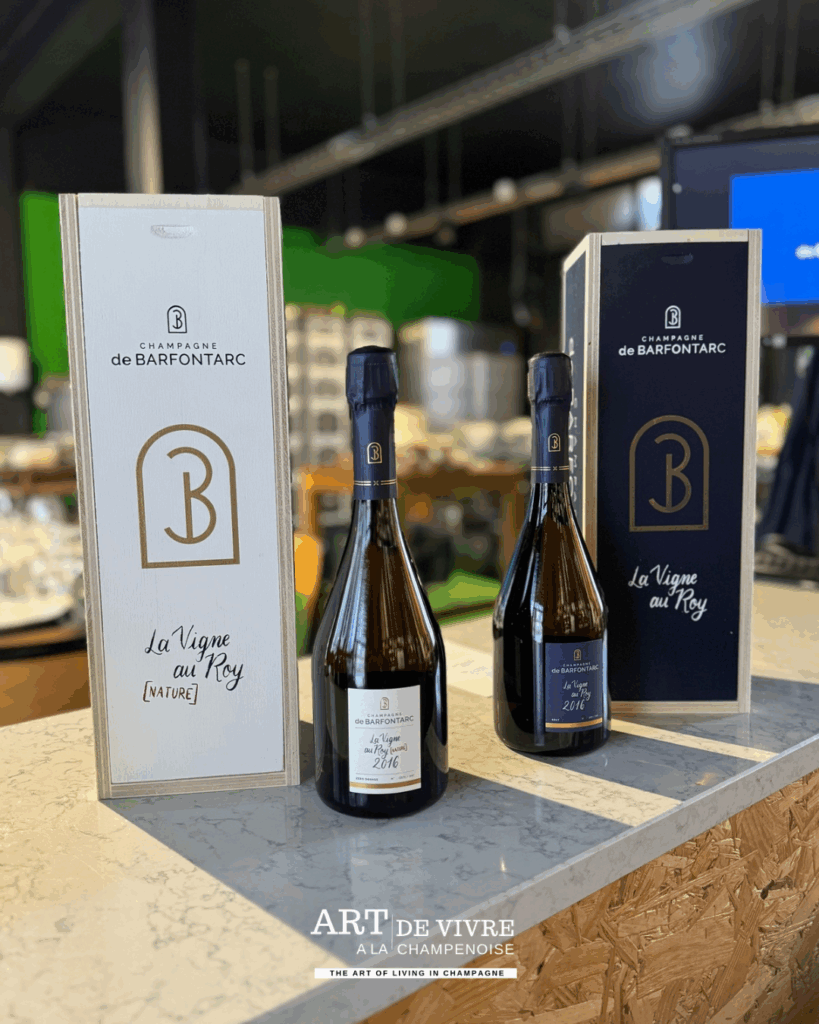
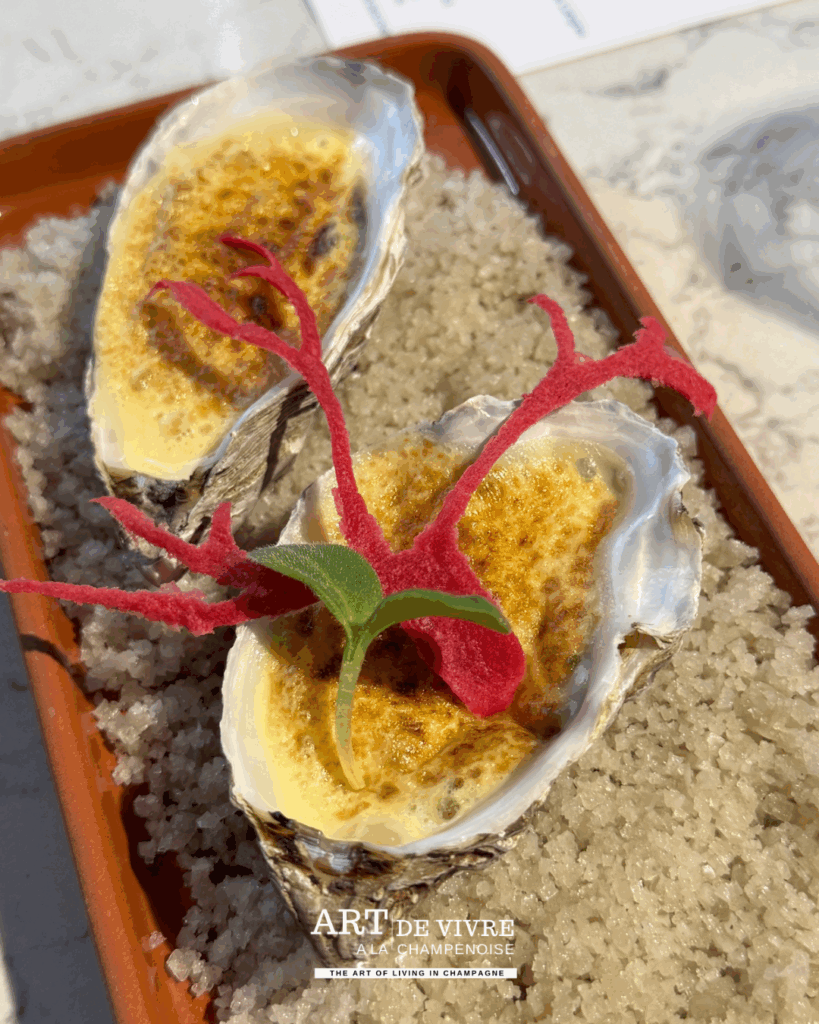
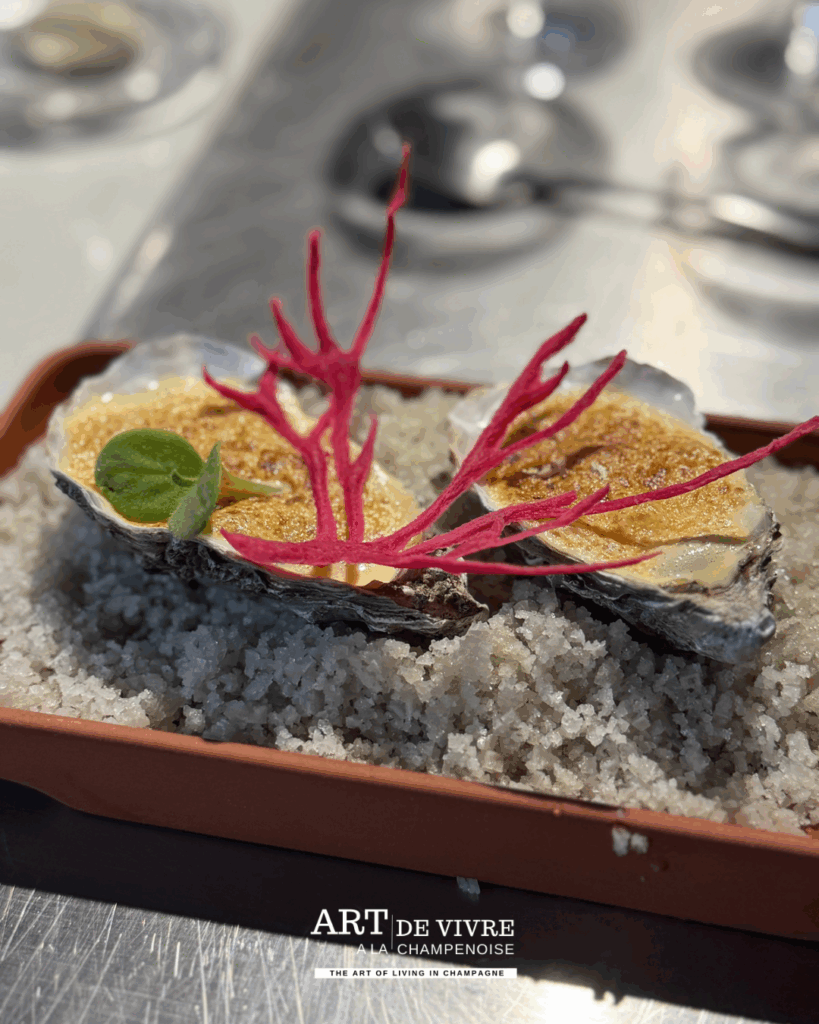
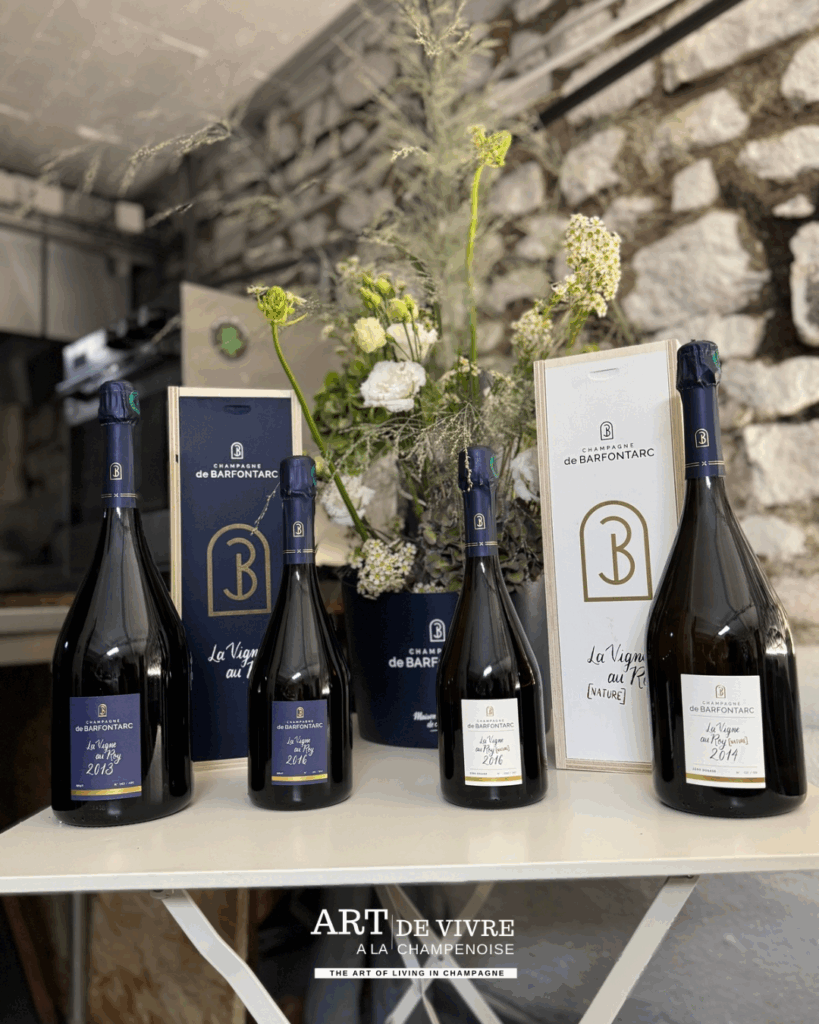
The vertical began with La Vigne au Roy Nature 2016, made essentially from têtes de cuvée, vinified without dosage. The wine was luminous, with notes of acacia flower, white peach, then a slide towards almond paste and fresh hazelnut. The palate, dense but straight, ended on a clean, almost saline minerality. An ideal expression to accompany oysters and shellfish, sashimi, raw fish or delicate iodine-rich preparations.
In a different register, La Vigne au Roy 2016 Brut revealed the same aromatic base, but carried by a broader register. Dried fruit dominated, accompanied by a touch of candied ginger. The palate gained in breadth, round without heaviness. It found a natural resonance with a lobster or langoustine poached or grilled, or a duck breast with apricot, or a tournedos Rossini. A dish where the sweetness of the flesh answers its suppleness.
The 2014 vintage (zero dosage) expressed itself with great clarity. Nuances of yellow fruits, a brioche-like breath, then a straight energy, supported by a fine minerality. The finish tightened slightly, elegantly. It called for white meats in a lively jus, or even a duck breast with fruits where acidity answers the flesh.
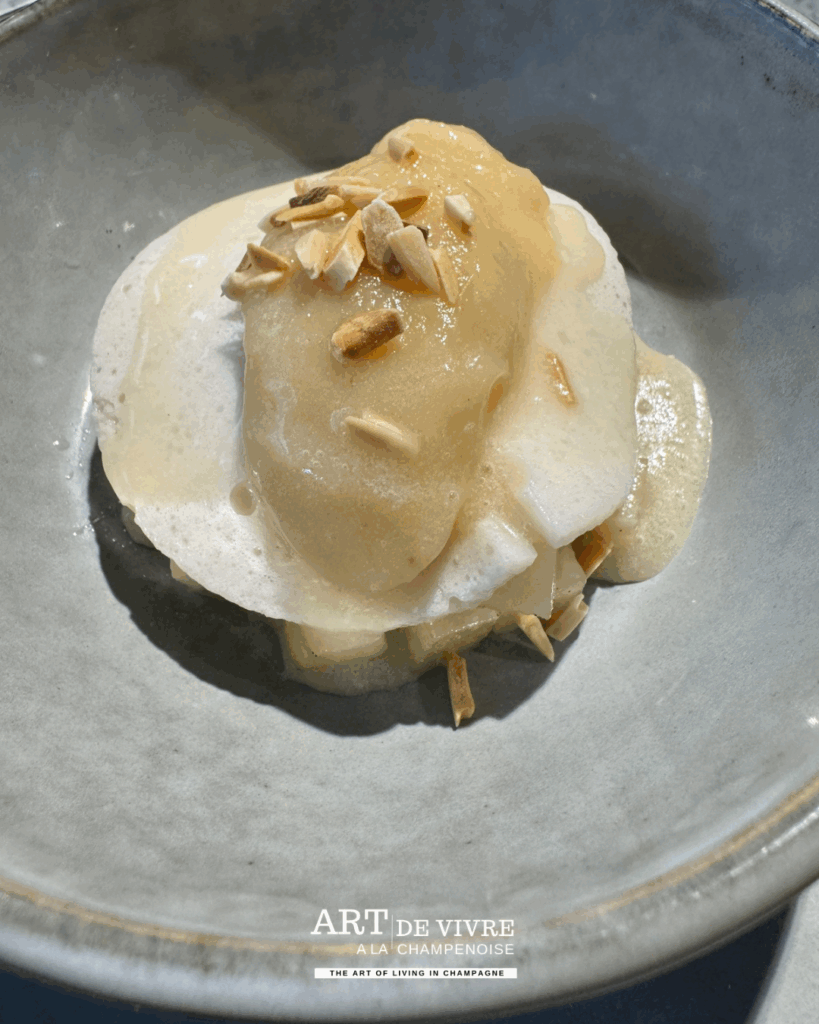
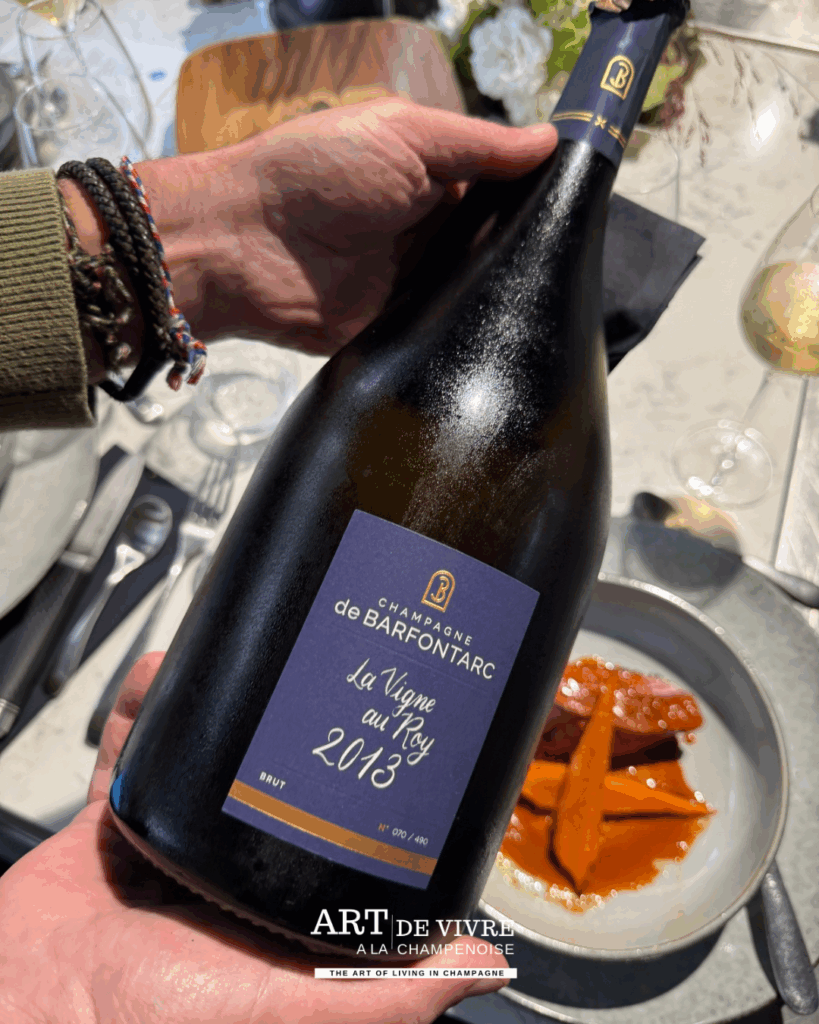
La Vigne au Roy 2013 showed a singular finesse: green apple, sweet almond, dried flowers. The palate unfolded at length, slender, almost restrained, but perfectly constructed. It revealed all its nuance with a cheese from the region, an aged Langres or a poached pear, depending on whether you seek contrast or mirror pairing.
La Vigne au Roy 2012, from têtes de cuvée, offered more indulgence. Aromas of poached pear and fresh hazelnut, a creamy matter, carried by a still-lively freshness. This 2012, child of a tormented, complicated year that nonetheless gave very fine grapes, asserted itself at the table with pan-seared scallops, where the sweetness of the seafood met its fine salinity.
The 2008 vintage, recognised everywhere as exceptional, showed an incisive purity: white flowers, citrus, chalk, a long, structured palate. It naturally calls for turbot, sole or steamed fish accompanied by clear sauces.
2002 offered an inner breadth. A wide but calm wine, where maturity is never expressed in power but in poise. A settled length, almost confidential.
La Vigne au Roy 2000, finally, showed accomplished maturity: notes of dried fruits, honey, toasted bread. A full, rounded palate, where evolution never erases structure. It finds a remarkable resonance with fruit desserts, notably a strawberry or a peach in a fine tart.
(Editor’s note) In this sequence, 2002 asserted itself as a moment of pure emotion. 2014, for its part, touched with its finesse and grace.
What this vertical reveals
This vertical showed that Barfontarc seeks neither effect nor demonstration. The House moves forward with constant fidelity to its territory and identity, convinced that the truth of wine is built in patience. The vintages tasted, each with its own rhythm and light, revealed a sincere, stable style, attentive to nuances rather than forced contrasts. Through this journey in time, Barfontarc asserts itself as a discreet House, but sure of itself, whose wines are not explained (or hardly), they are discovered.


Voices to tell the wine
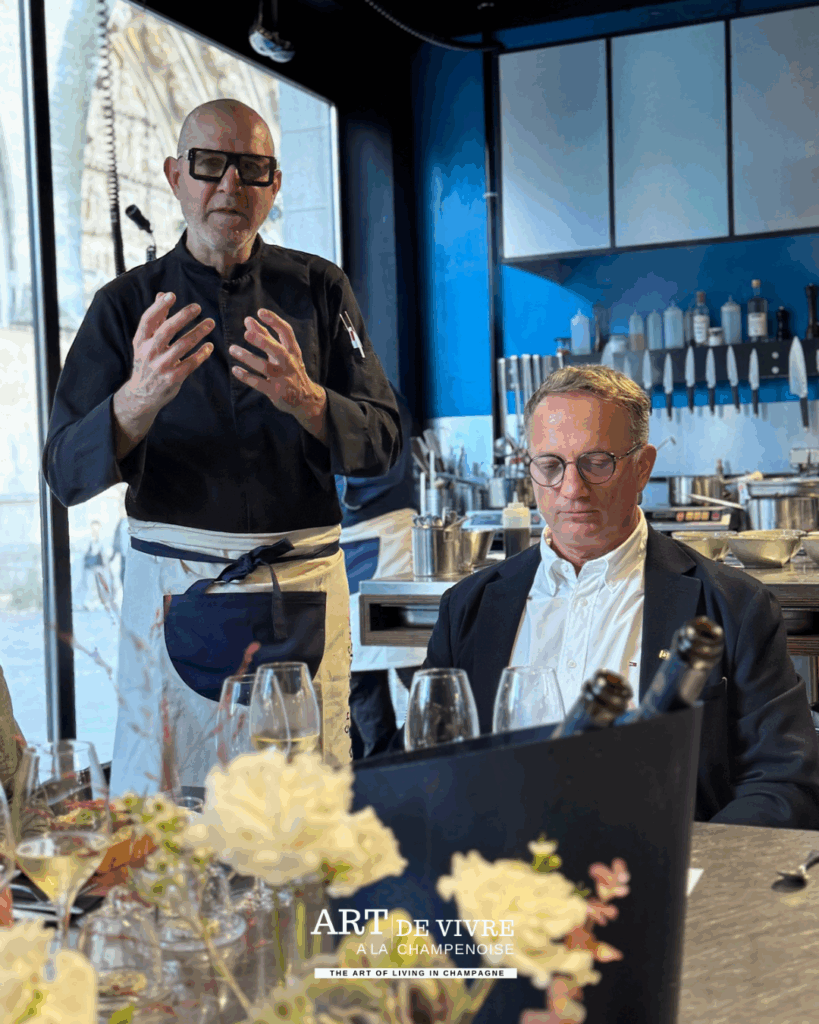
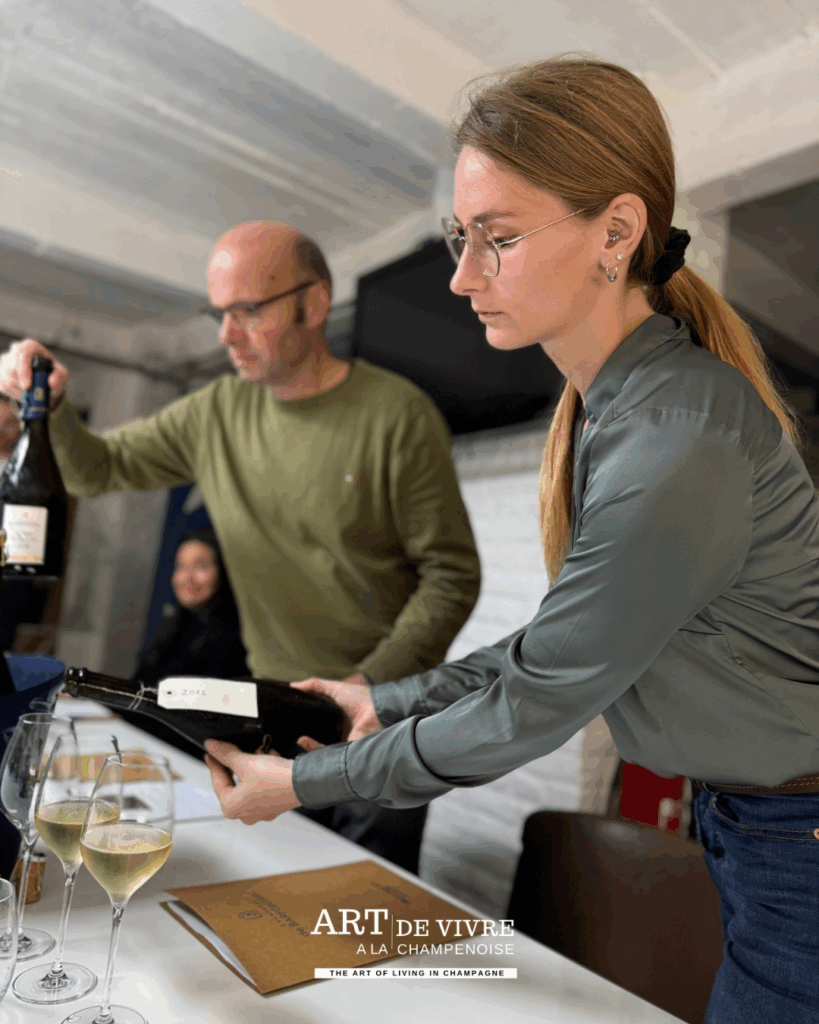
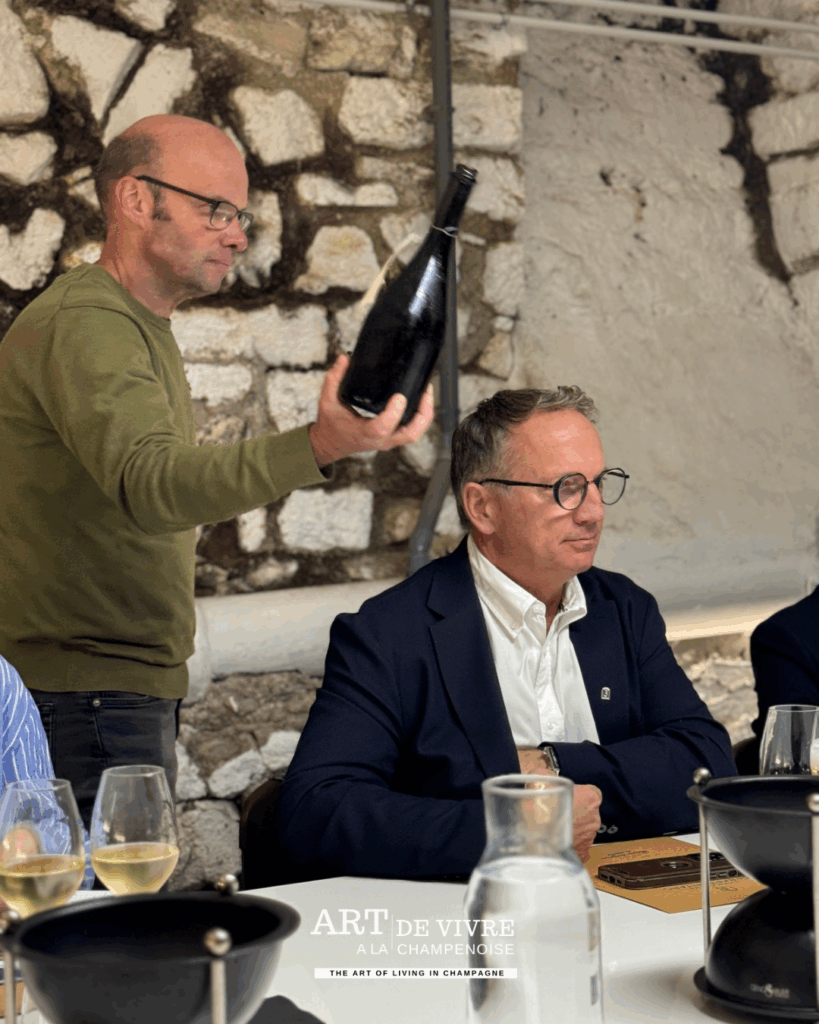
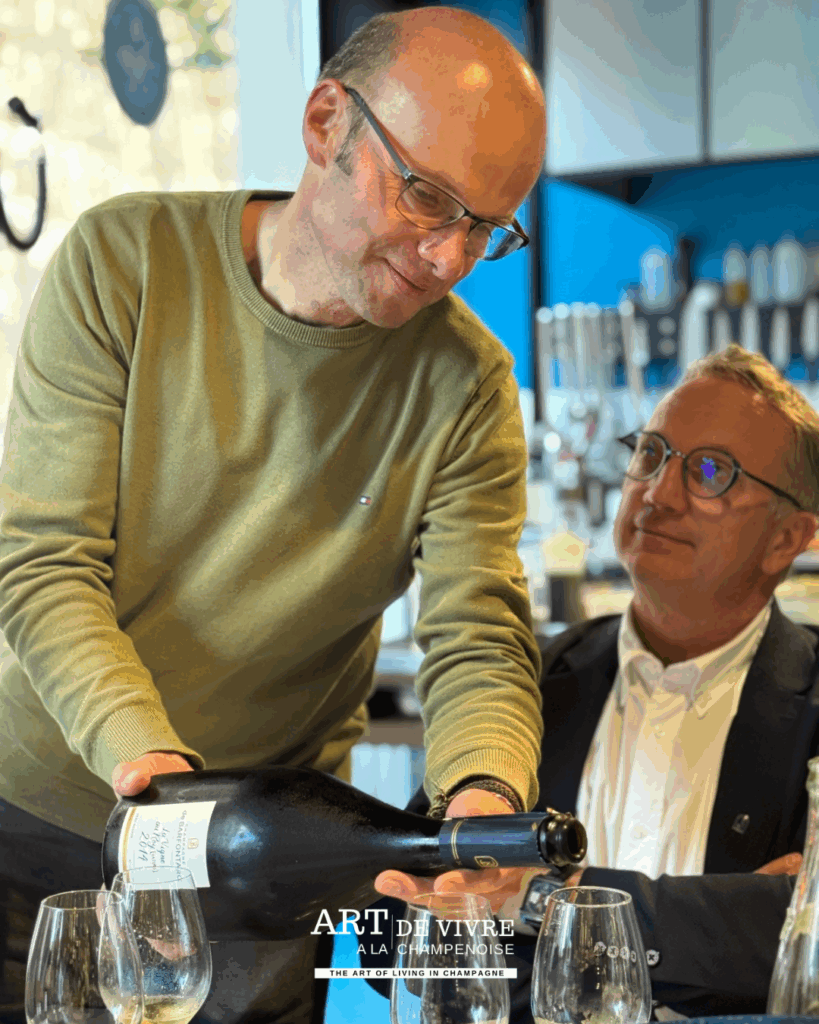
Throughout the tasting, the presence of the Barfontarc team gave the experience an almost intimate dimension. Denis Tardieu, cellar master, was its common thread. His words unfolded with restraint, without emphasis, but with a precision that bore witness to years of careful observation. He did not just describe aromas or structures. He spoke of time, of the way each vintage settles slowly into the wine, refines, takes on nuance, finds its line without ever becoming heavy, under the eye of Johanna Afoufa, cellar hand at the House since 2024. At his side, Olivier Martin, director of the House, carried the collective story. He recalled that Barfontarc is not the expression of an individual will, but the fruit of winegrowers united by the same demand, that of letting the terroir guide rather than trying to fit it into a predefined frame. Nicolas Vallée, sales and marketing manager, offered a broader reading, anchored in Barfontarc’s place within the Côte des Bar. He described with Nicolas a solid, structured House, moving forward with constancy, far from the noise, far from the conventional spectacular.
Au Piano des Chefs: a setting that listens
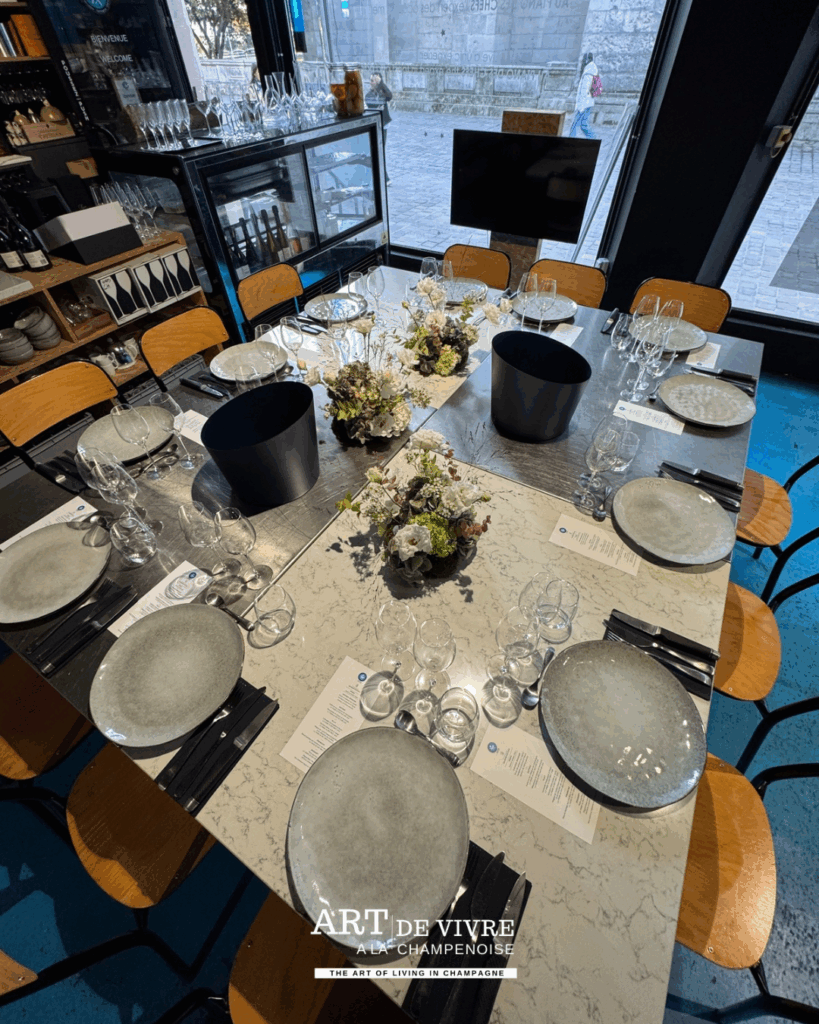
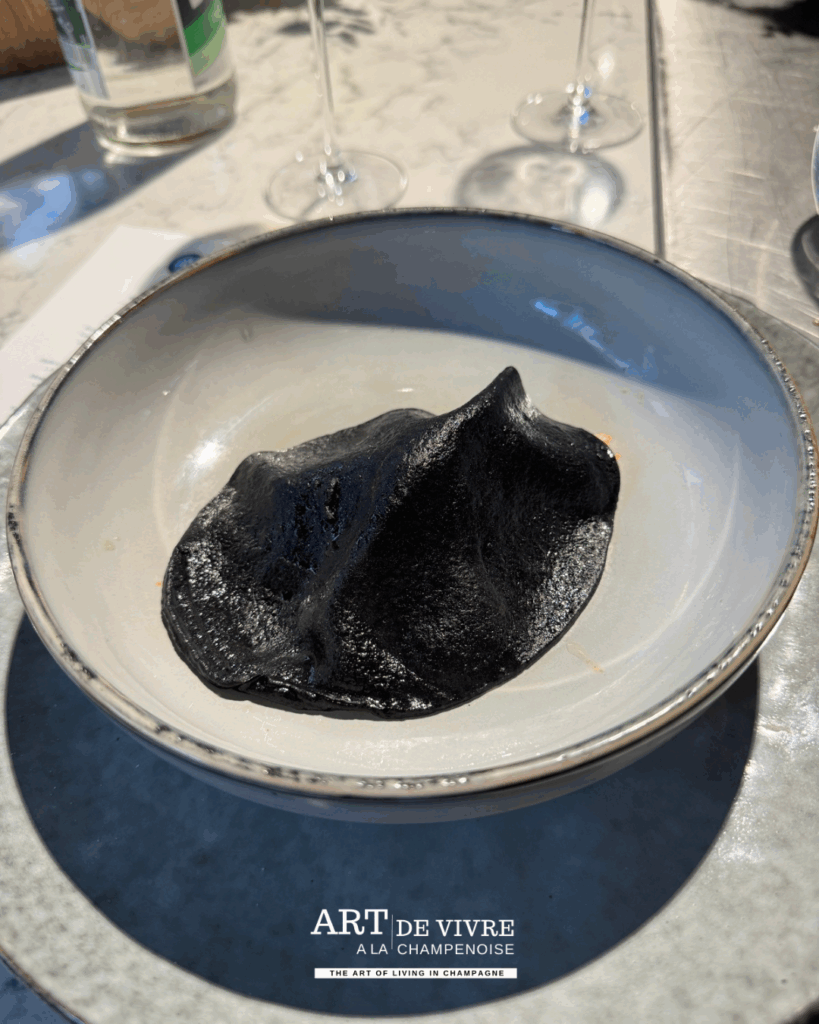
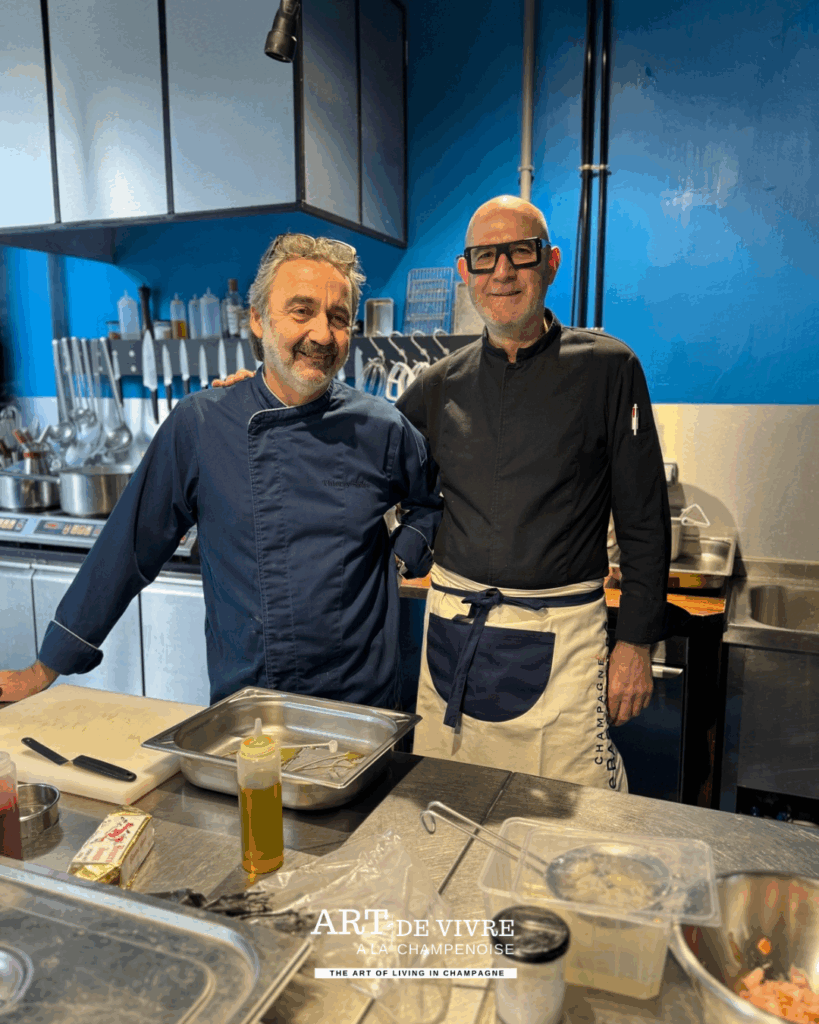
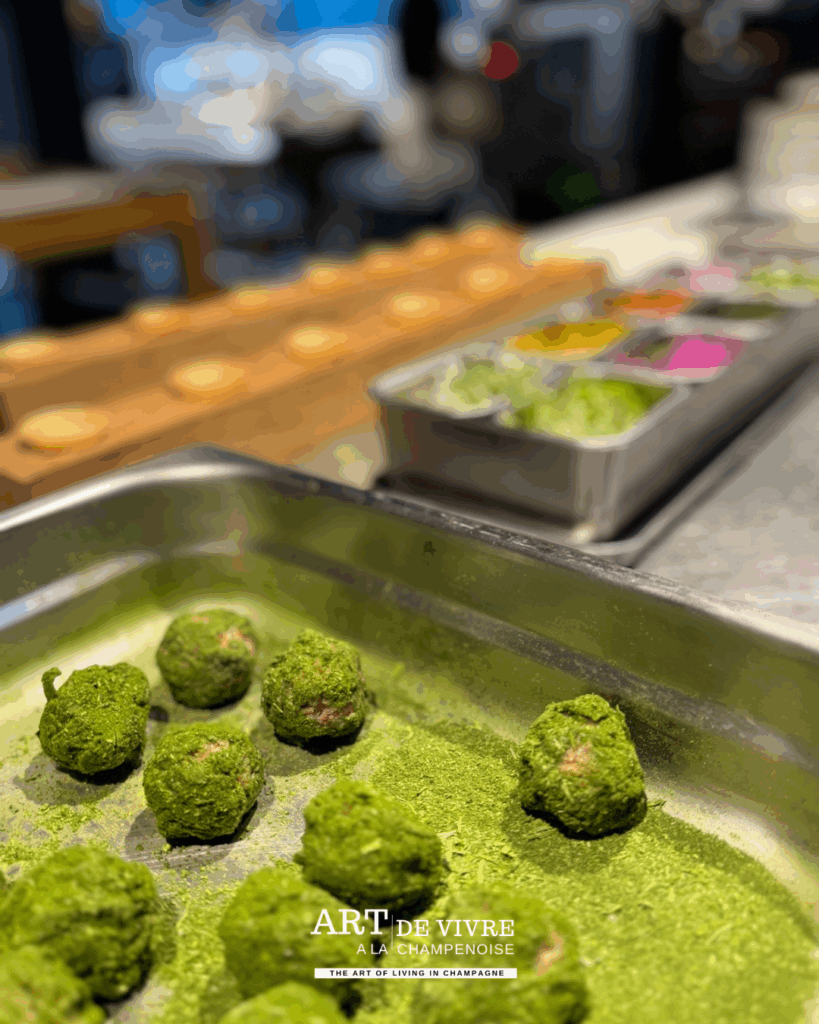
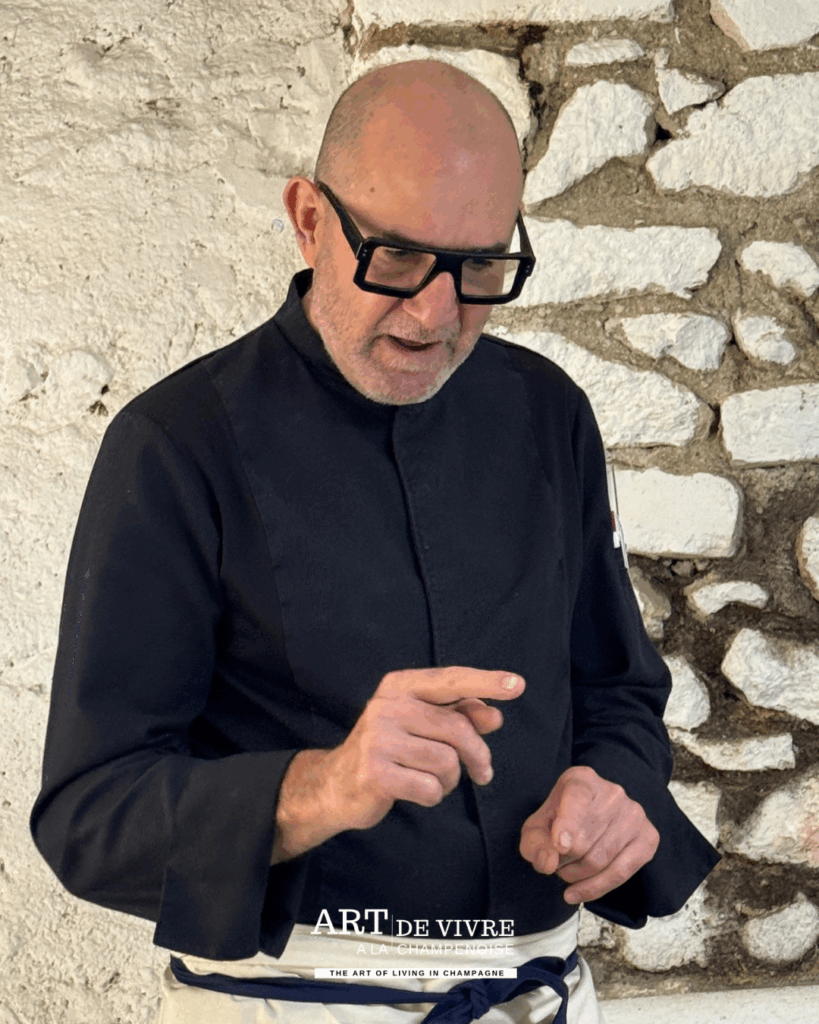
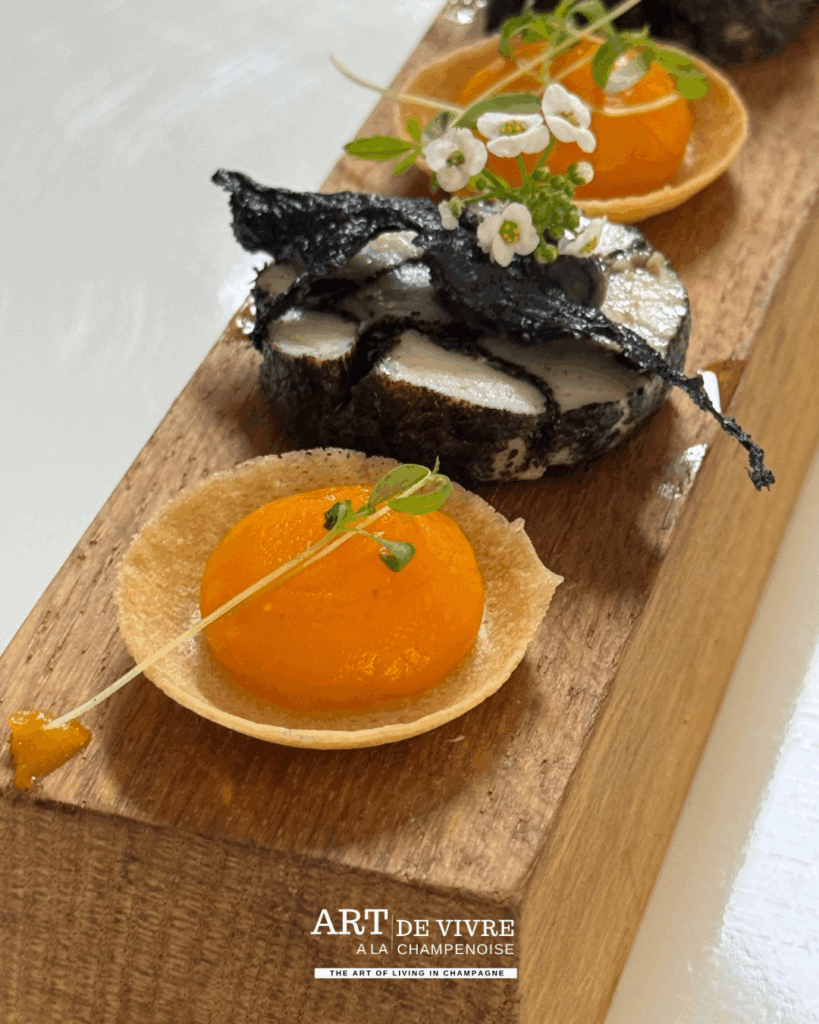
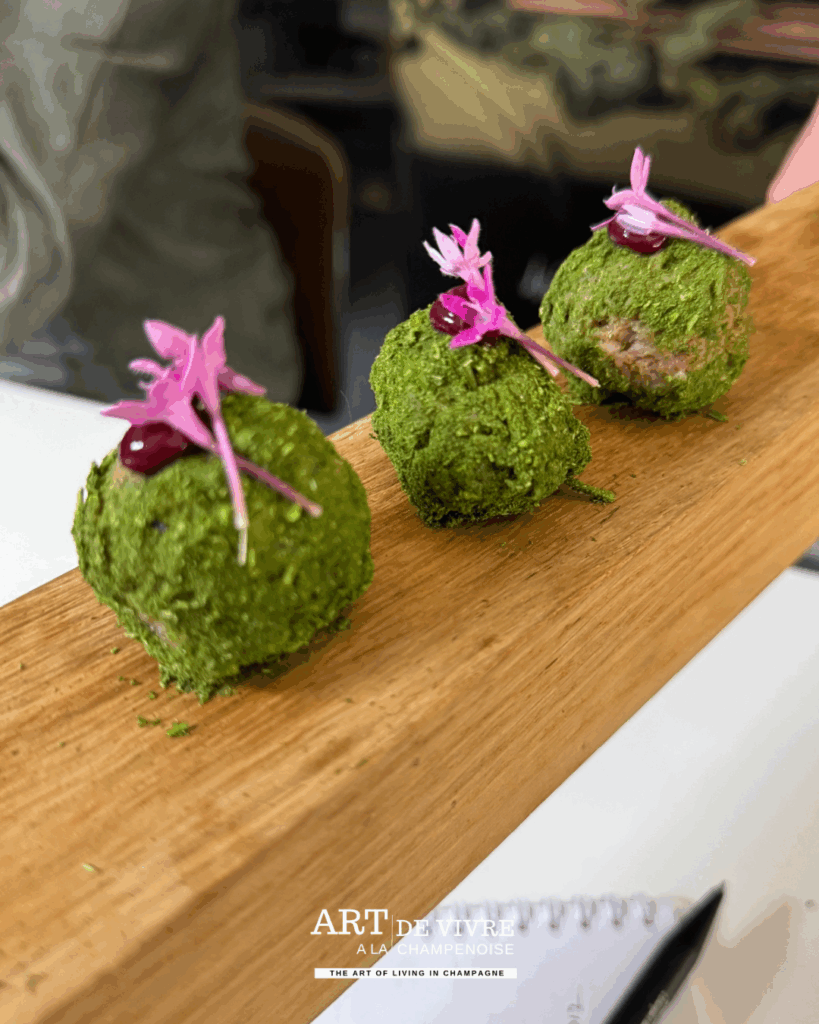
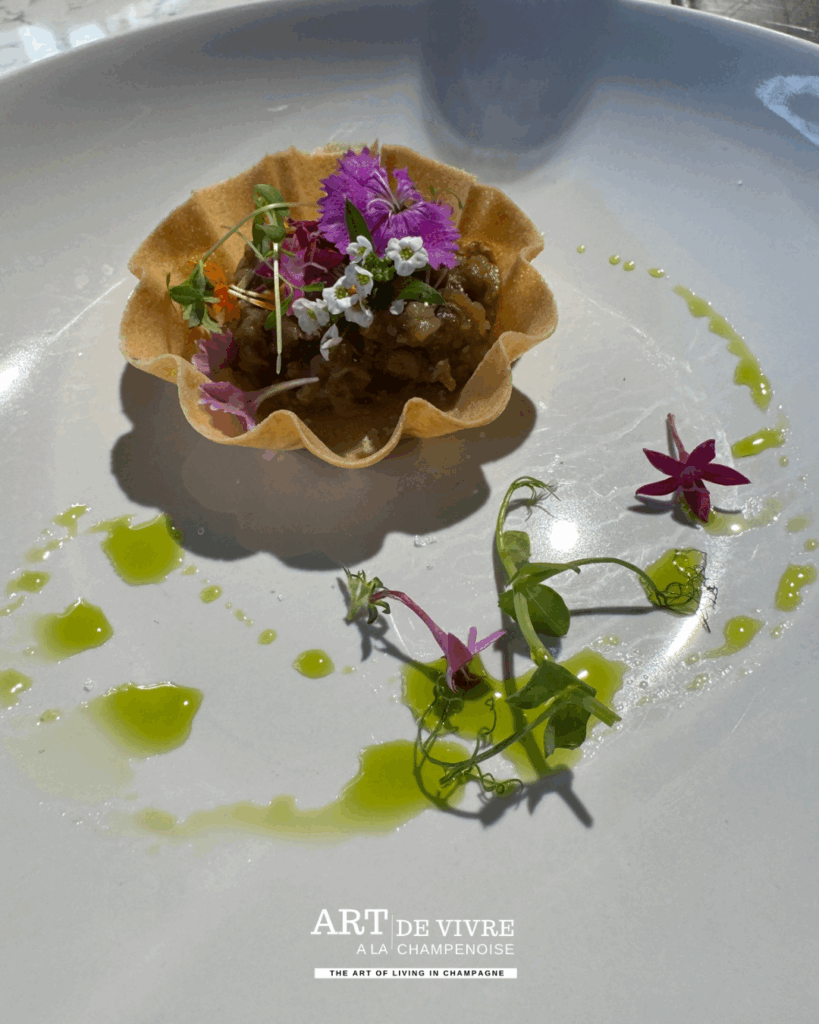
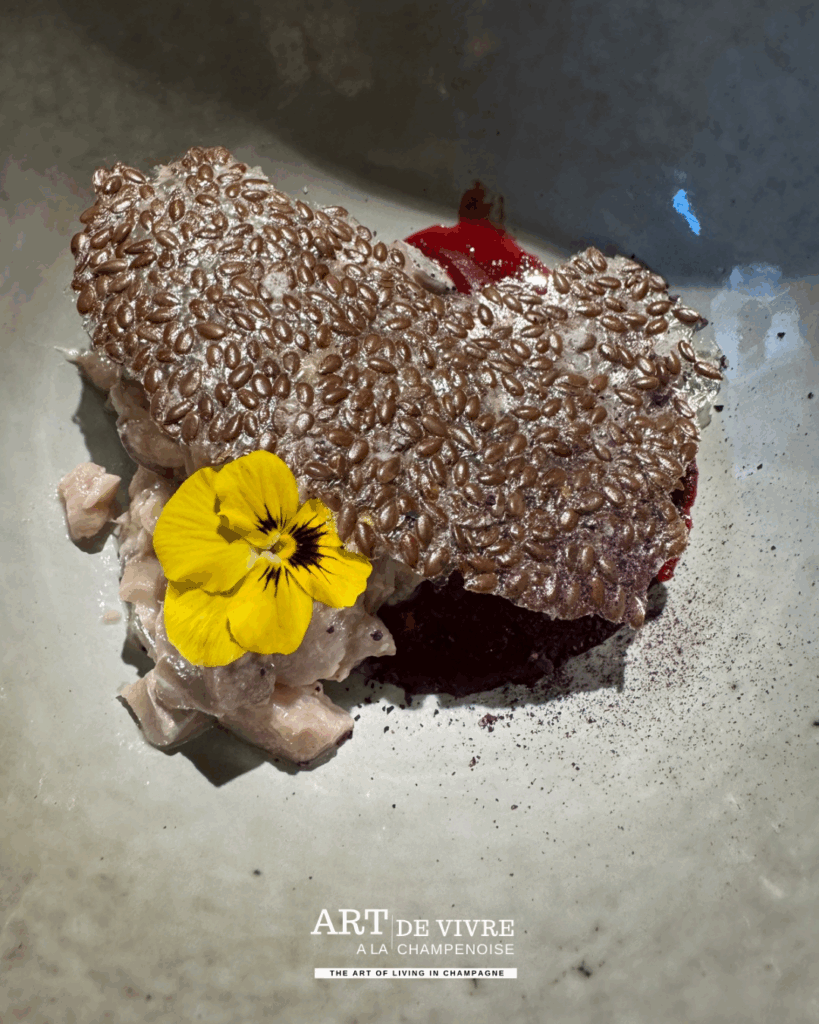
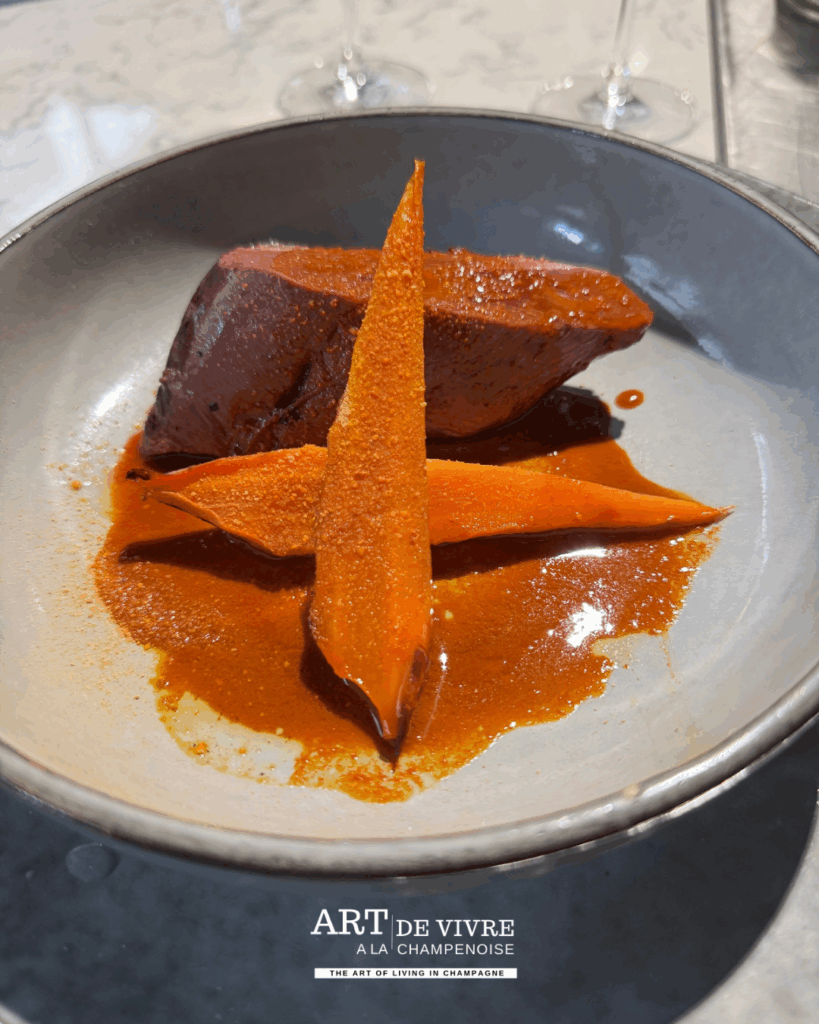
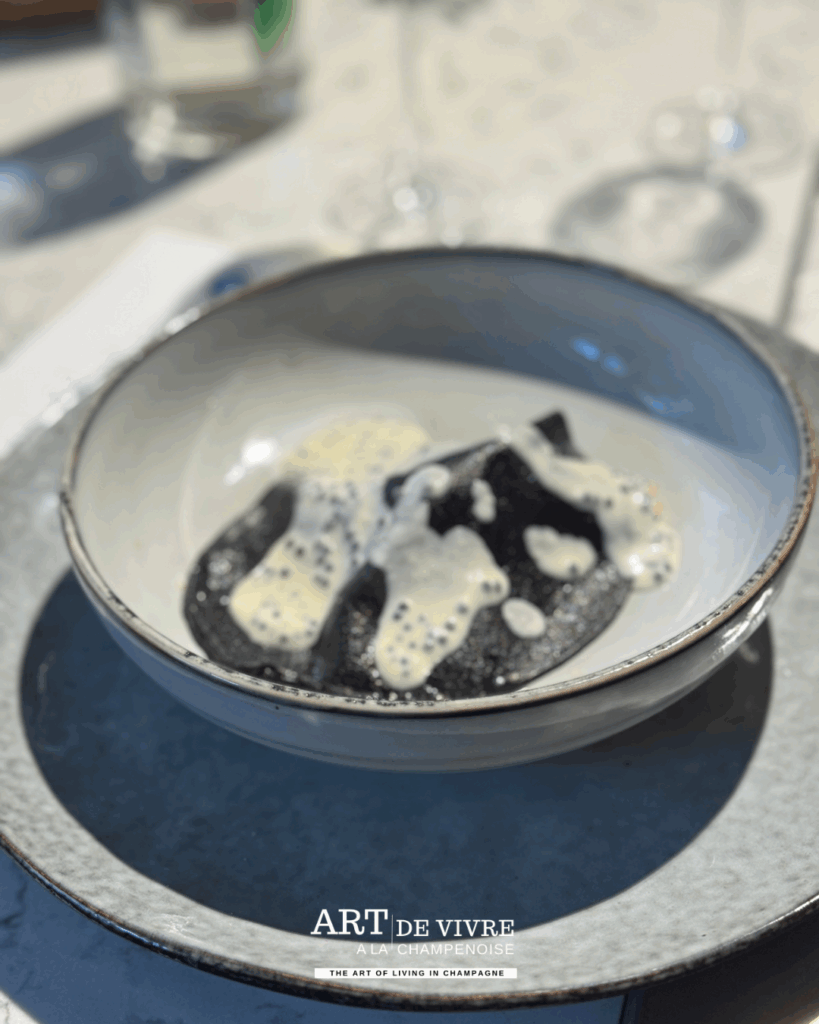
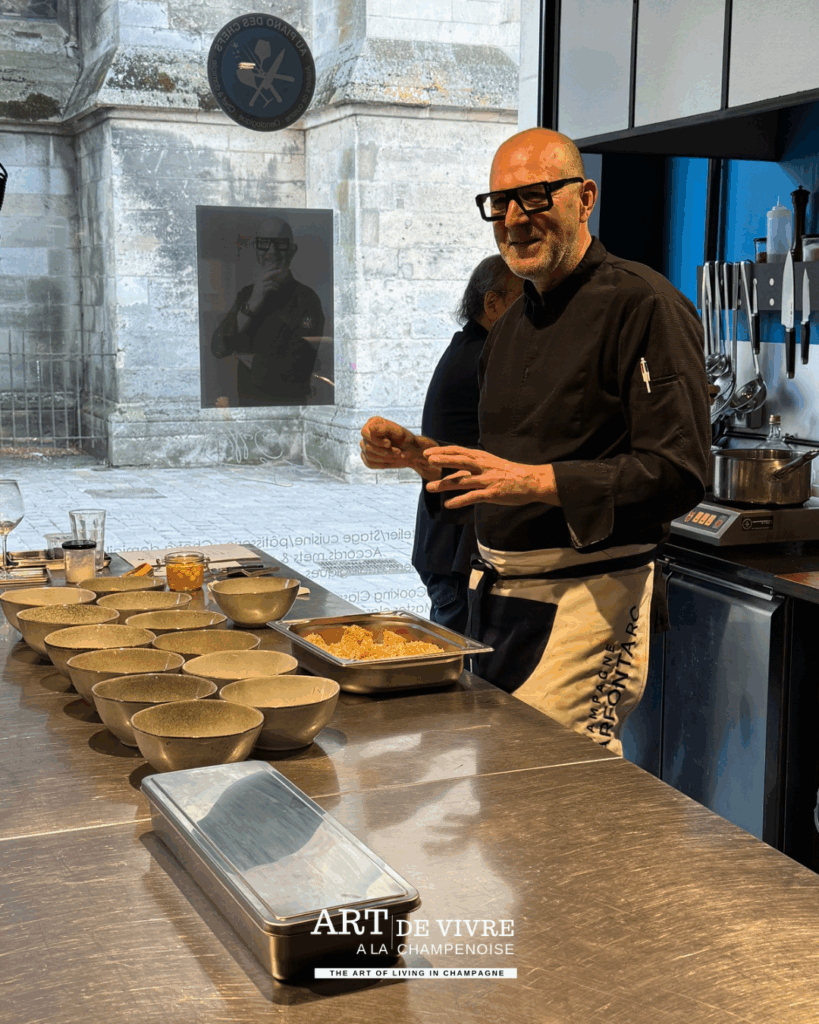
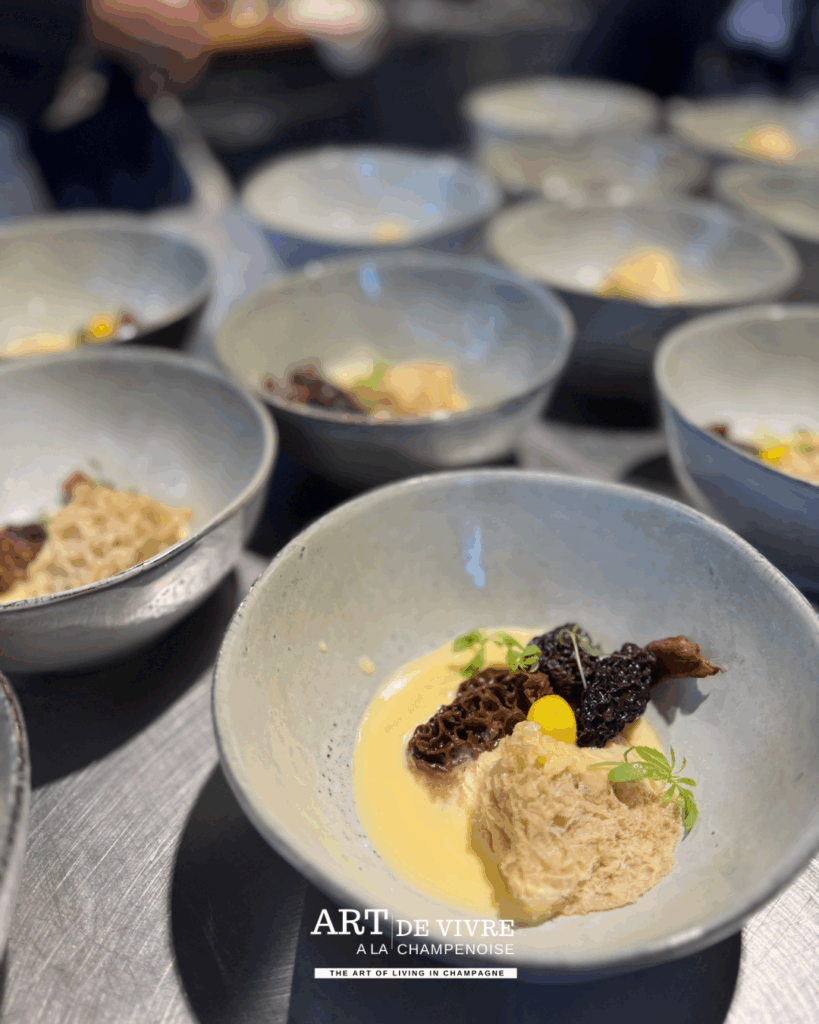
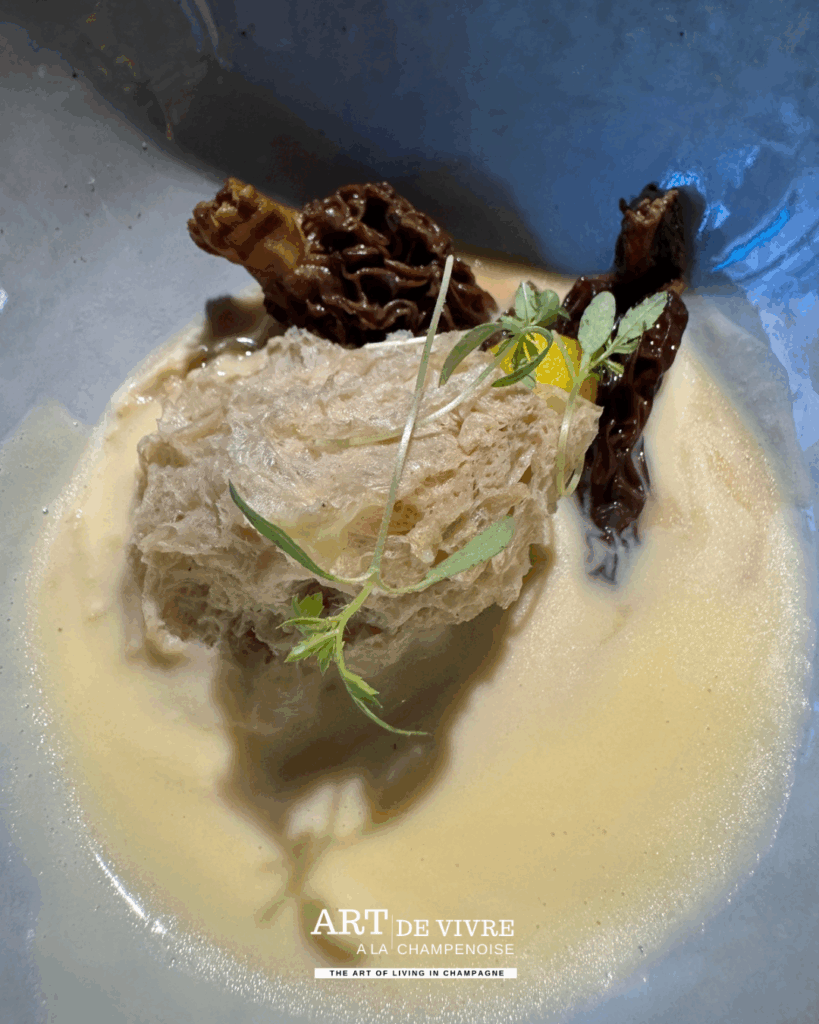
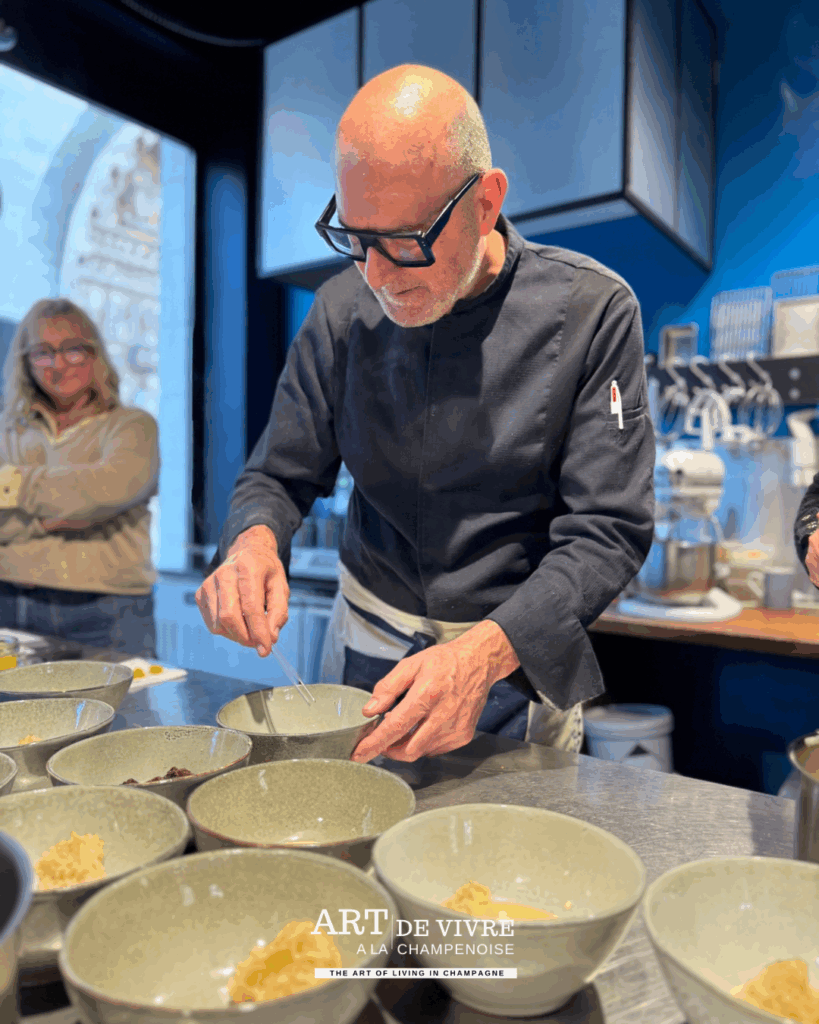
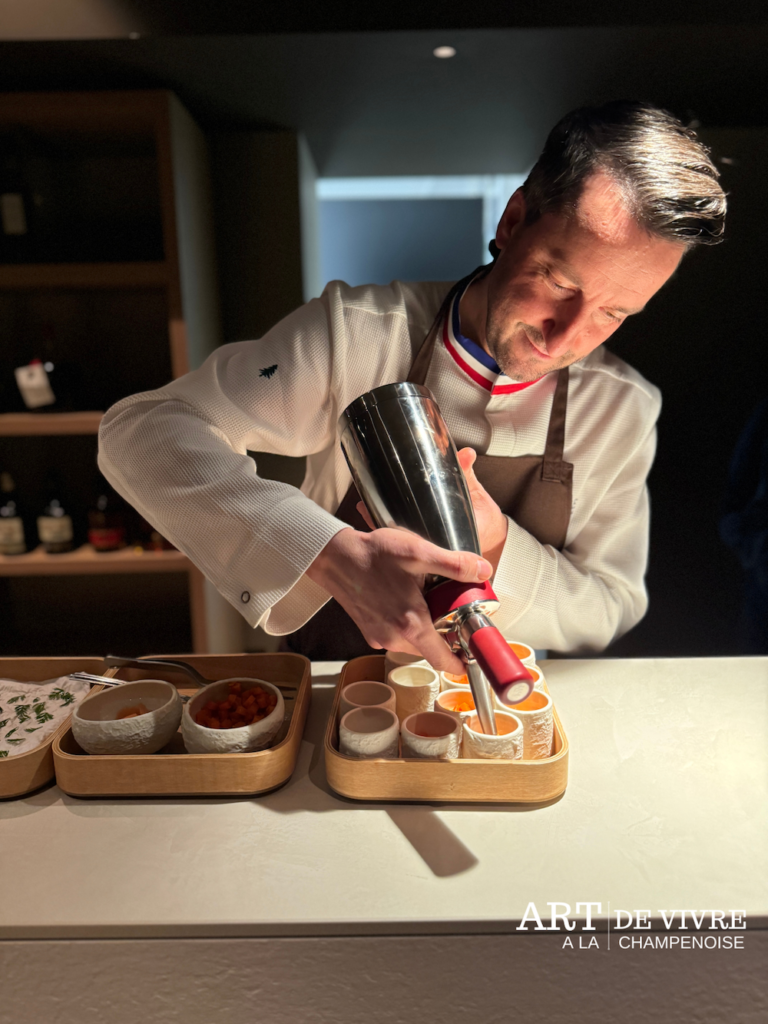
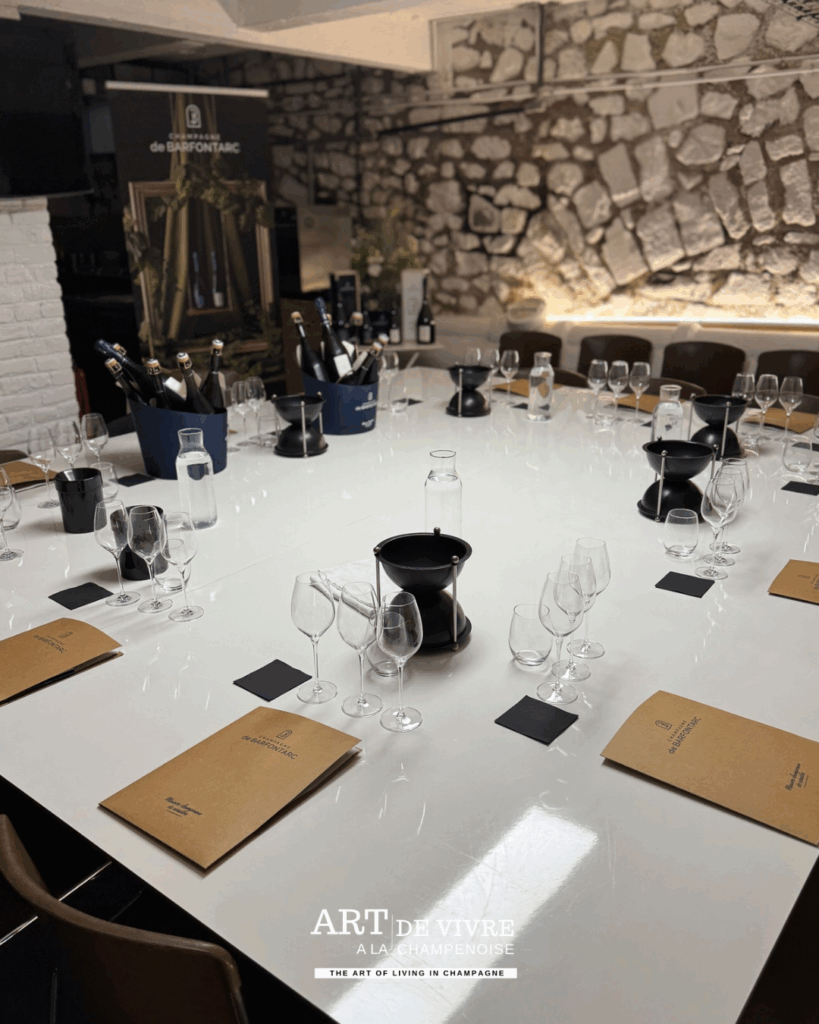
The tasting took place at the Atelier Au Piano des Chefs, a stone’s throw from Reims cathedral. A place dedicated to transmission, where chef Eric Geoffroy (with the exceptional presence of Thierry Sidan) offers attentive cuisine, coherent with the wines. The light, the calm rhythm, the proximity of the kitchen (the workshop and stoves are open) created the conditions for fine listening, for a moment of sharing.
Alcohol abuse is dangerous for your health – Consume in moderation.
More information
Champagne de Barfontarc
Au Piano des Chefs (Reims)