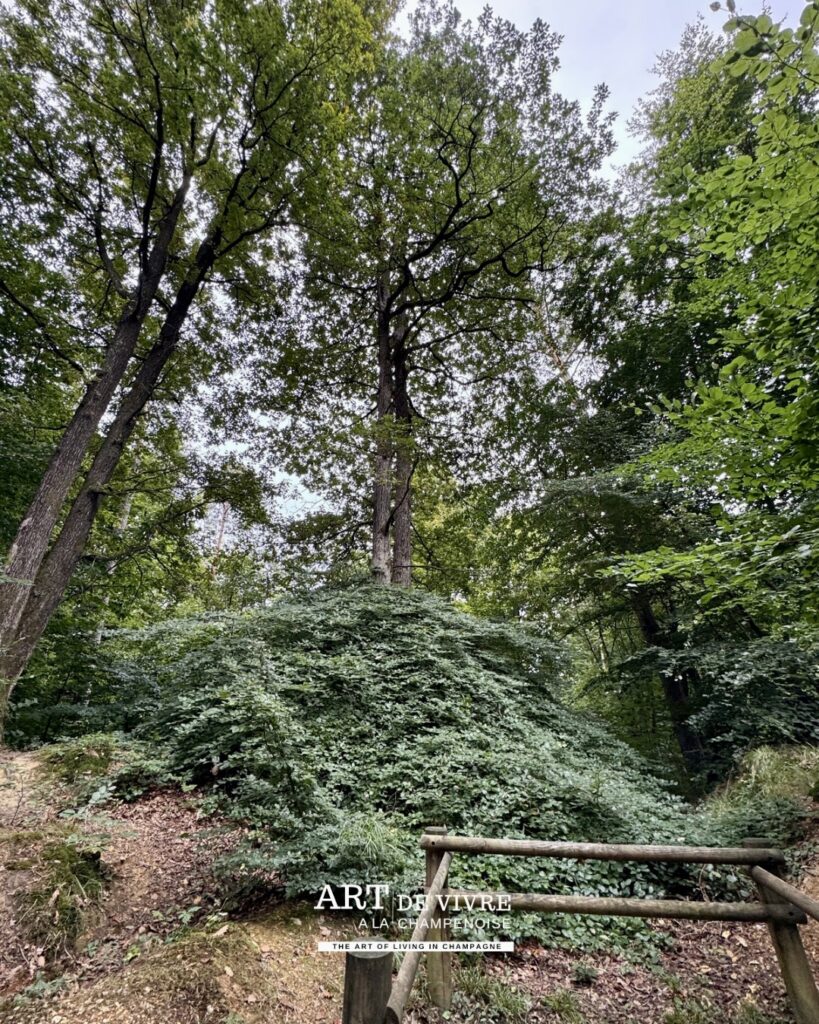

In the heart of the Montagne de Reims Regional Natural Park, the Faux de Verzy are a fascinating place where nature becomes a work of art and where History has left its traces. This forest, unique in the world, invites a walk where plant heritage and memory of the Second World War echo each other.
Trees of enigma
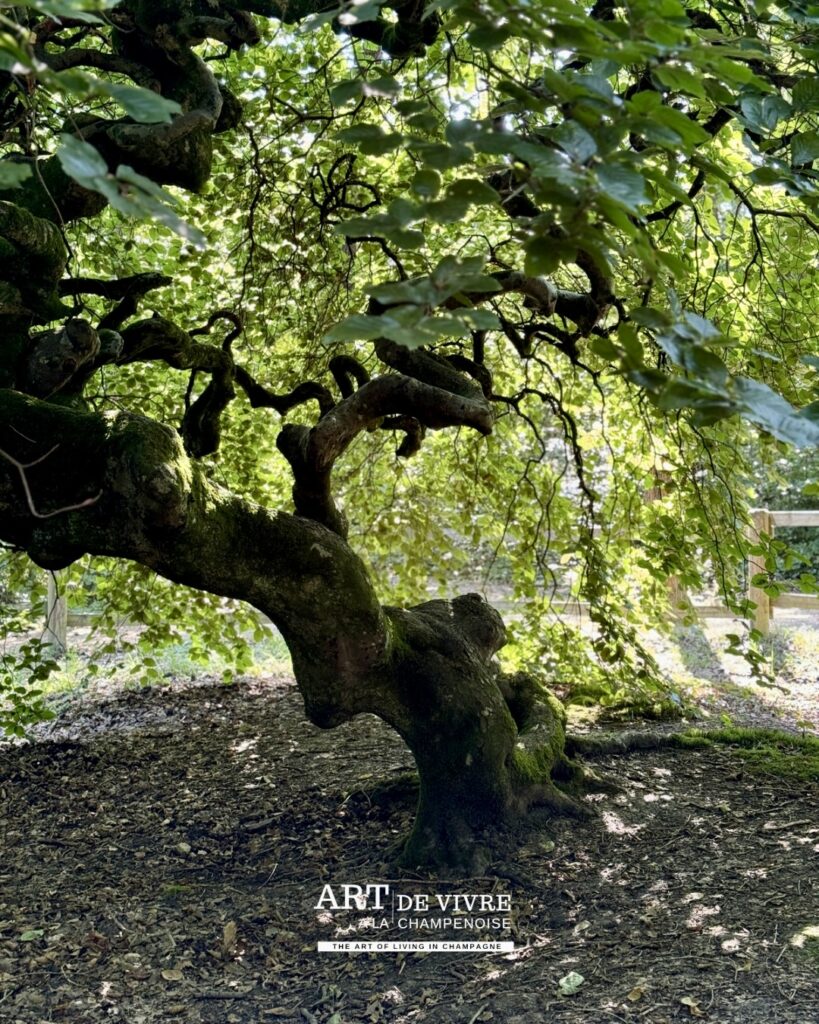
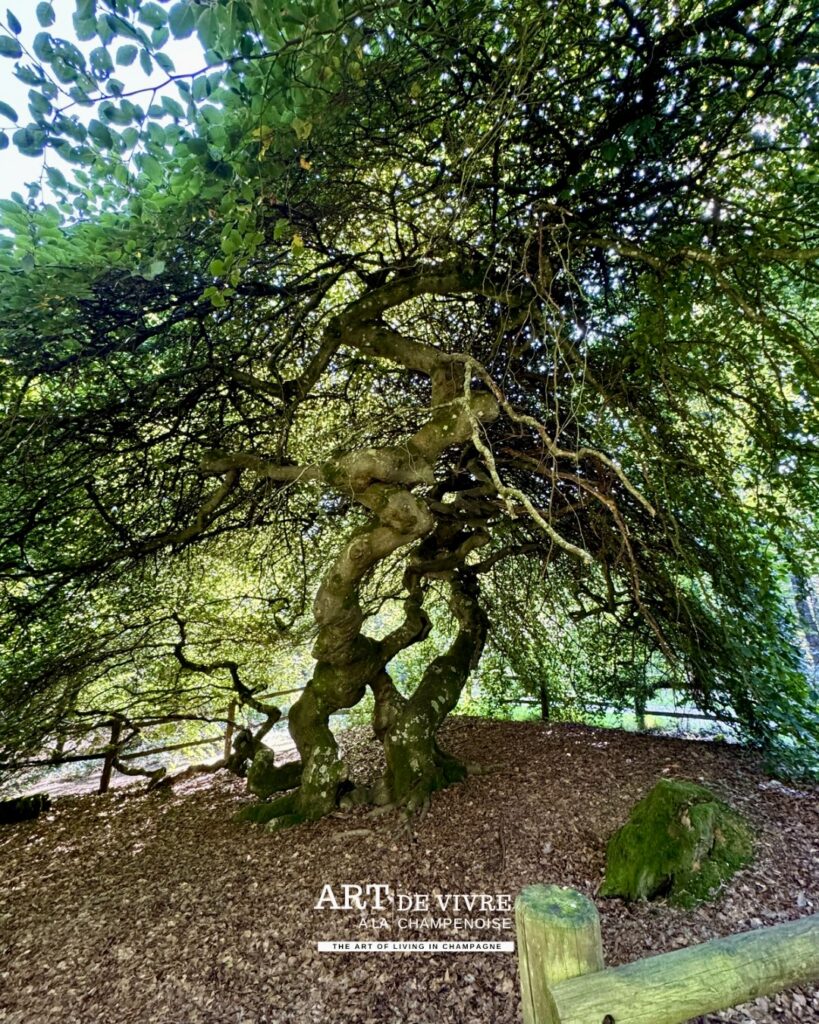
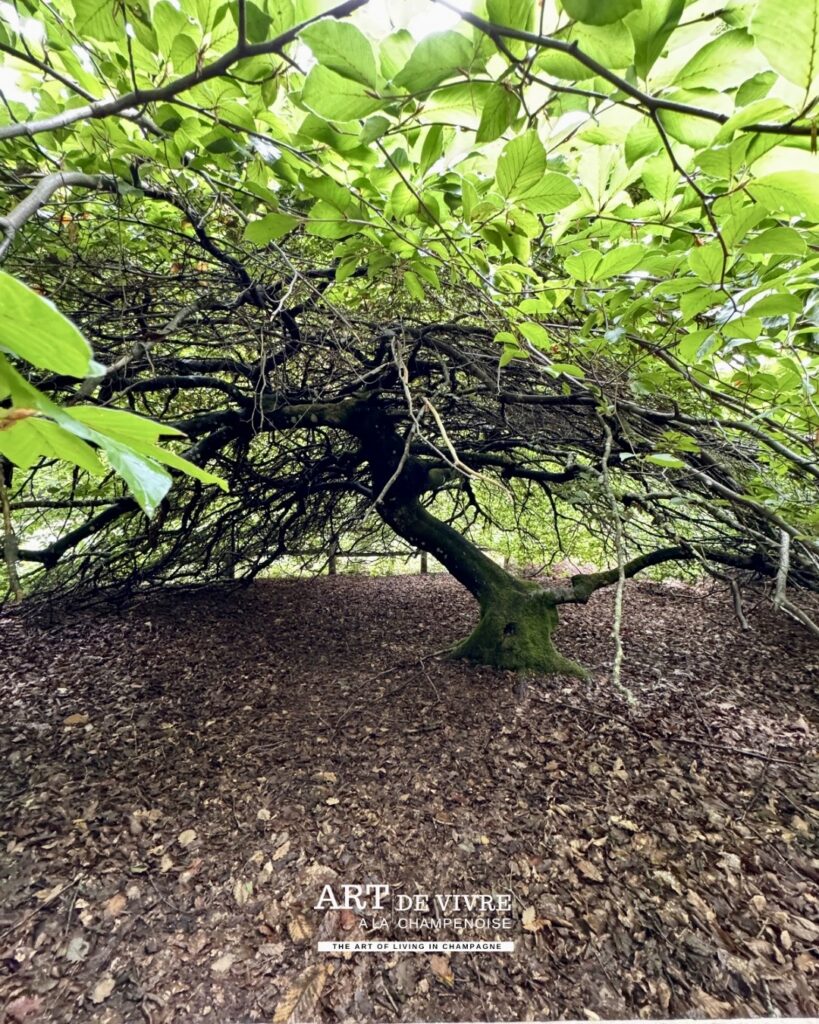
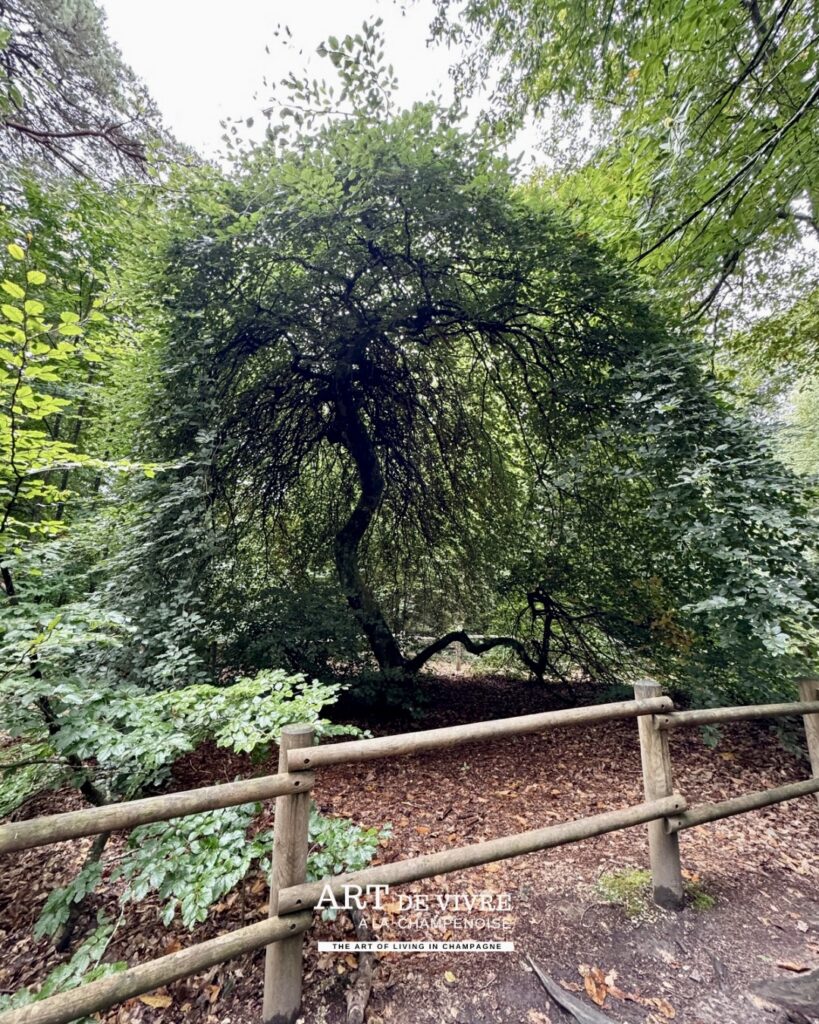
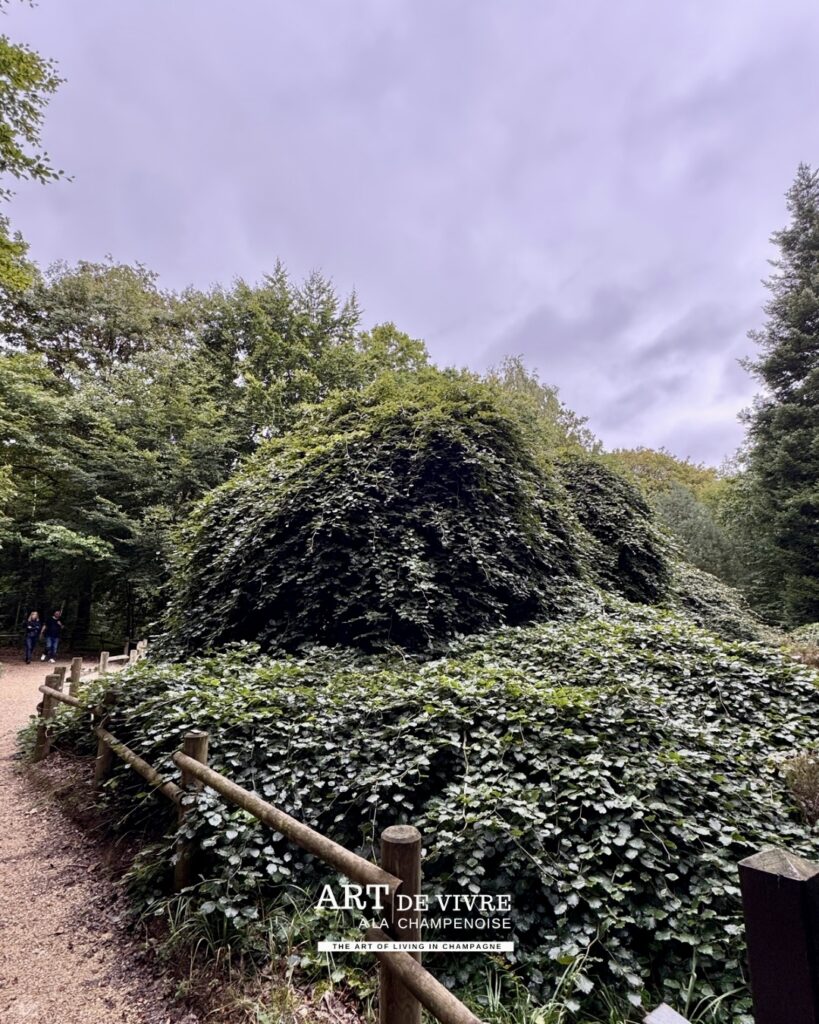
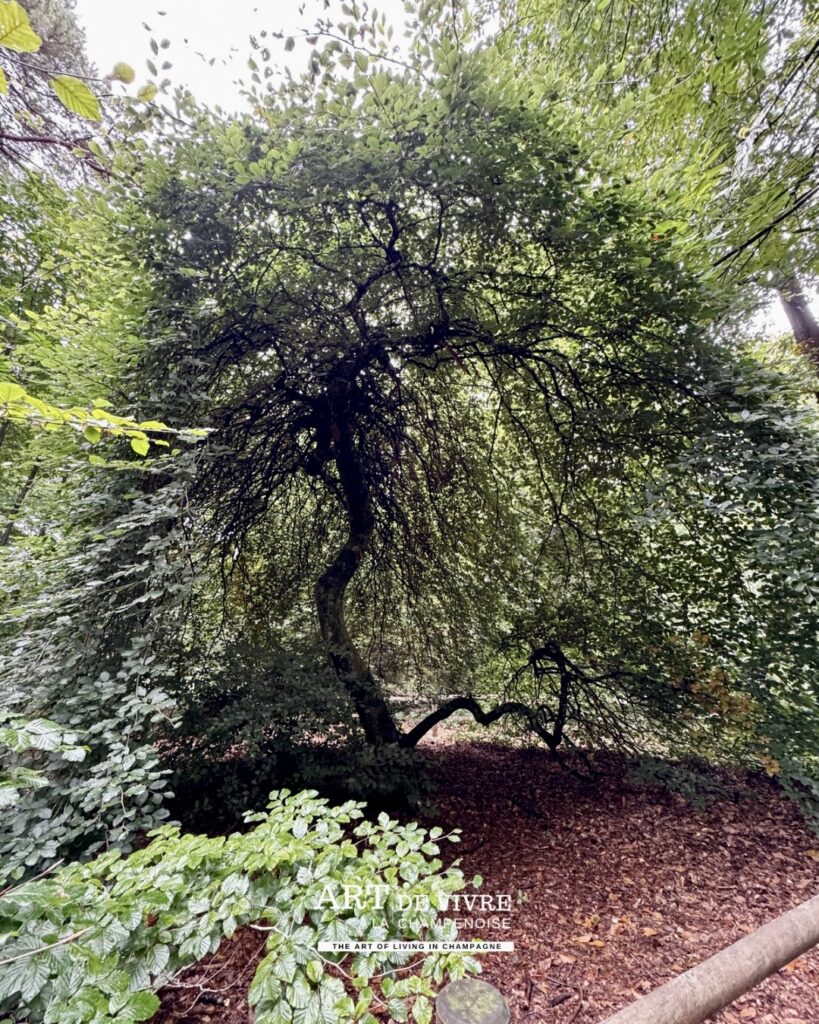
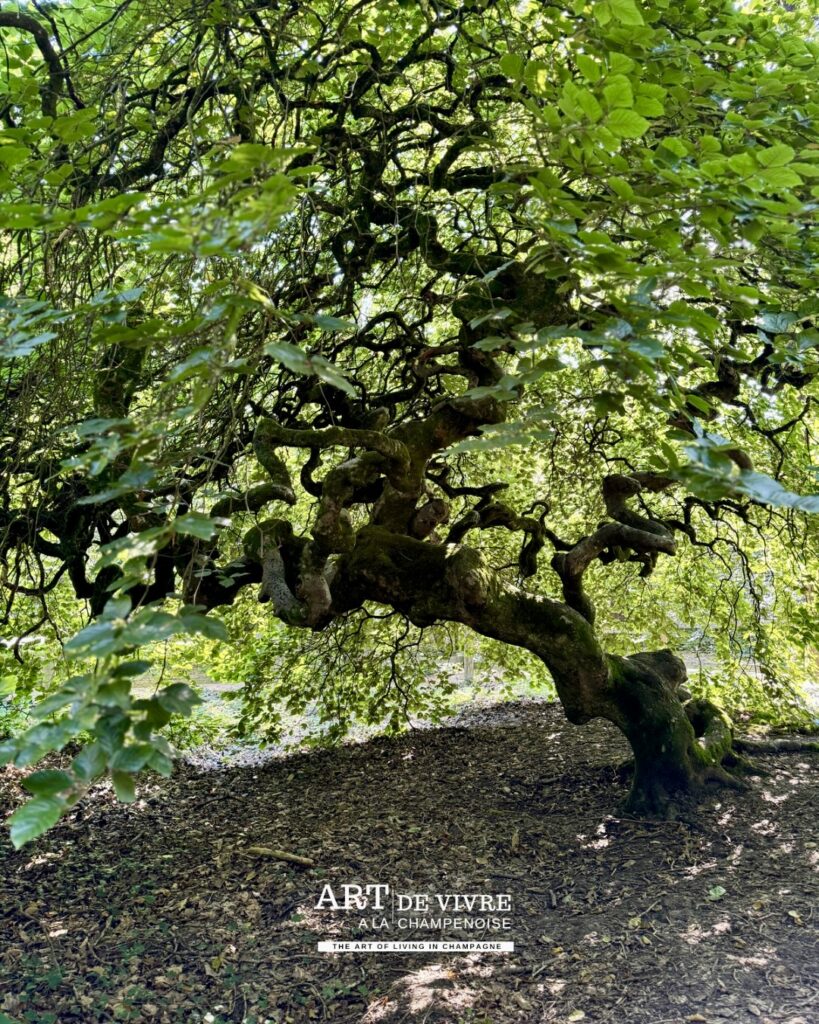
A fau — for botanists, Fagus sylvatica var. tortuosa — is a rare tree, most often a beech, sometimes an oak or a chestnut, whose branches and twigs twist into strange and bewitching shapes. Their origin remains a scientific mystery: a natural genetic mutation is suggested, without certainty. Their slow growth and remarkable longevity — some exceed three centuries — make them all the more precious.
With nearly 1,000 specimens, the Verzy forest is the largest world reserve of this variety. Listed since 1932 and protected as a biological reserve since 1981, it remains a ground of wonder and study, where visitors come across plant silhouettes with evocative names: the “ umbrella fau ”, the “ bride’s fau ” or the “ ox-head fau ”.
Living memory
At a turn in a path, history mingles with legend. One of the most famous, the fau de la Demoiselle, is said to have welcomed Joan of Arc, who came to rest on its branches during a visit with Charles VII to the abbey of Saint-Basle. Struck by lightning in 2017, its trunk and remains are now preserved and told about thanks to the ONF.
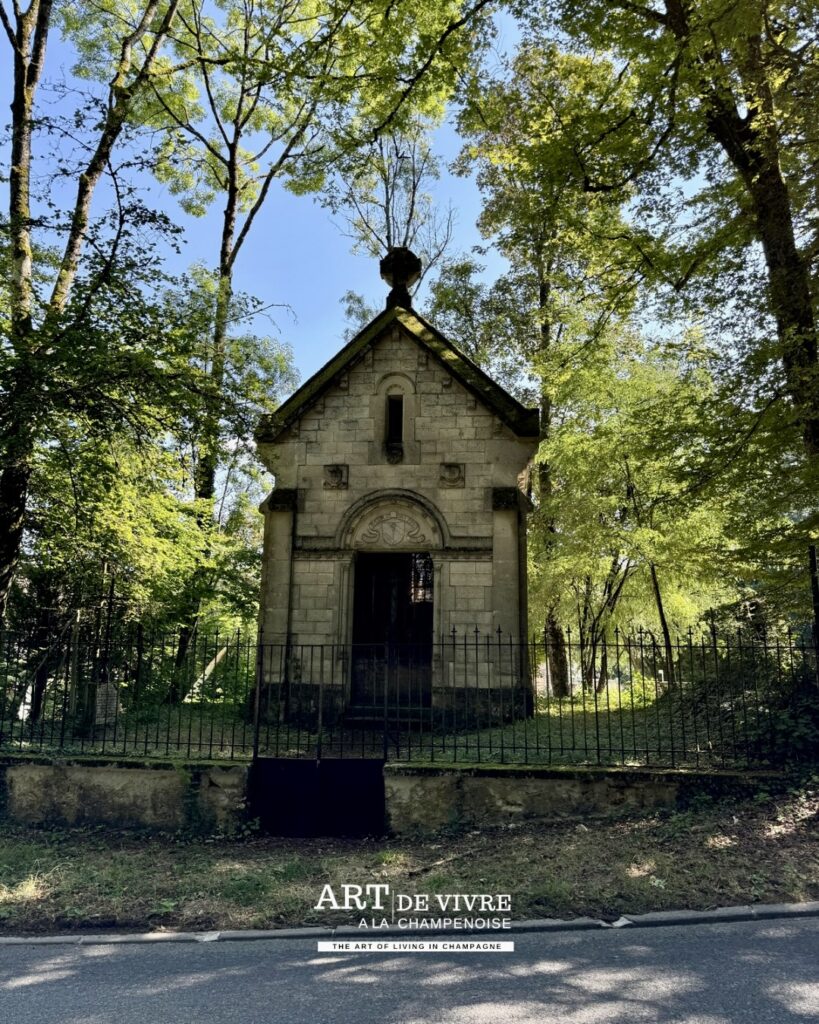
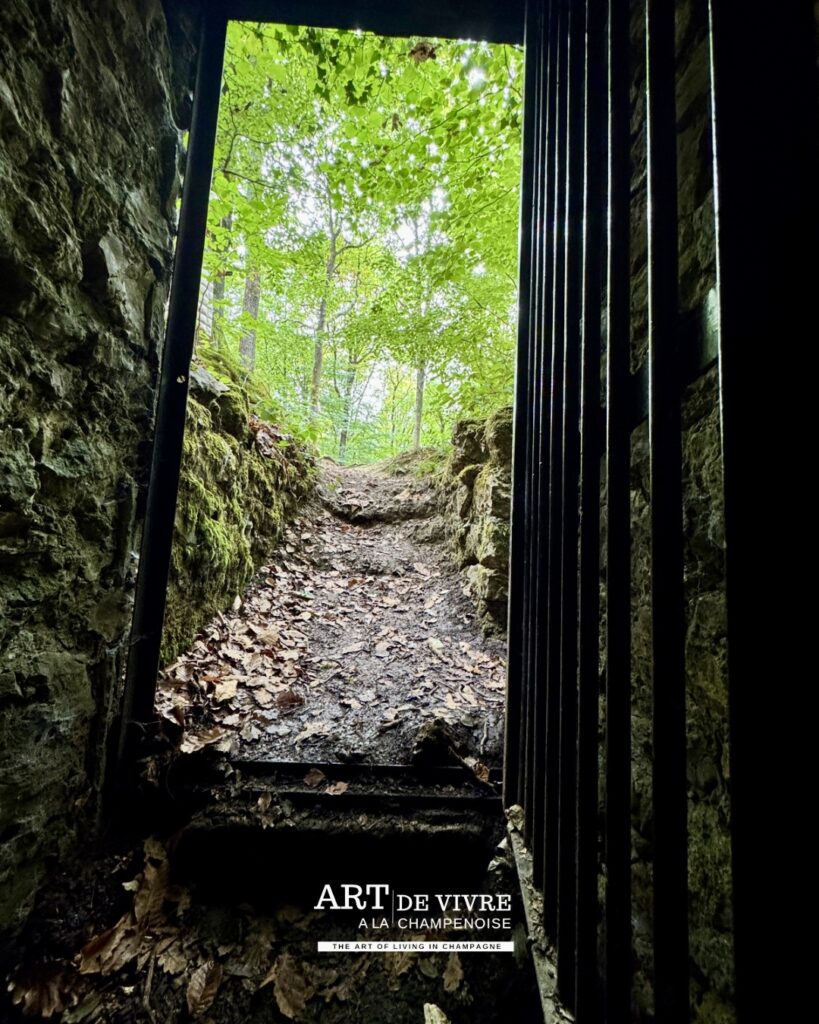
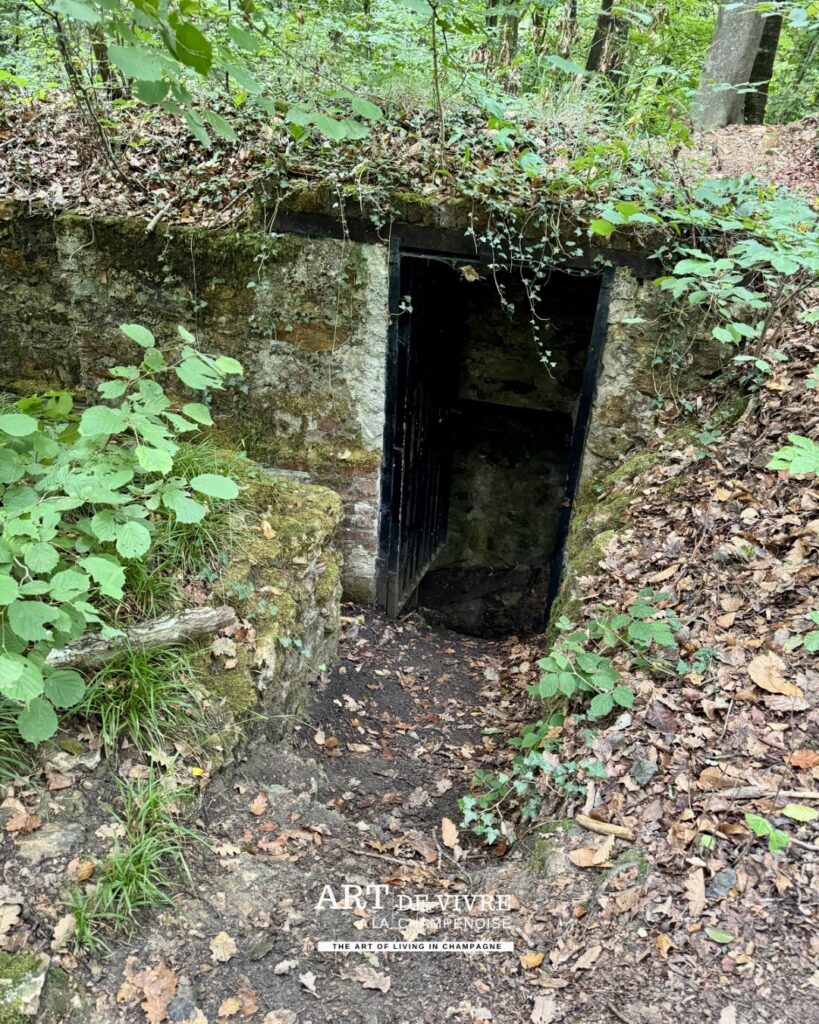
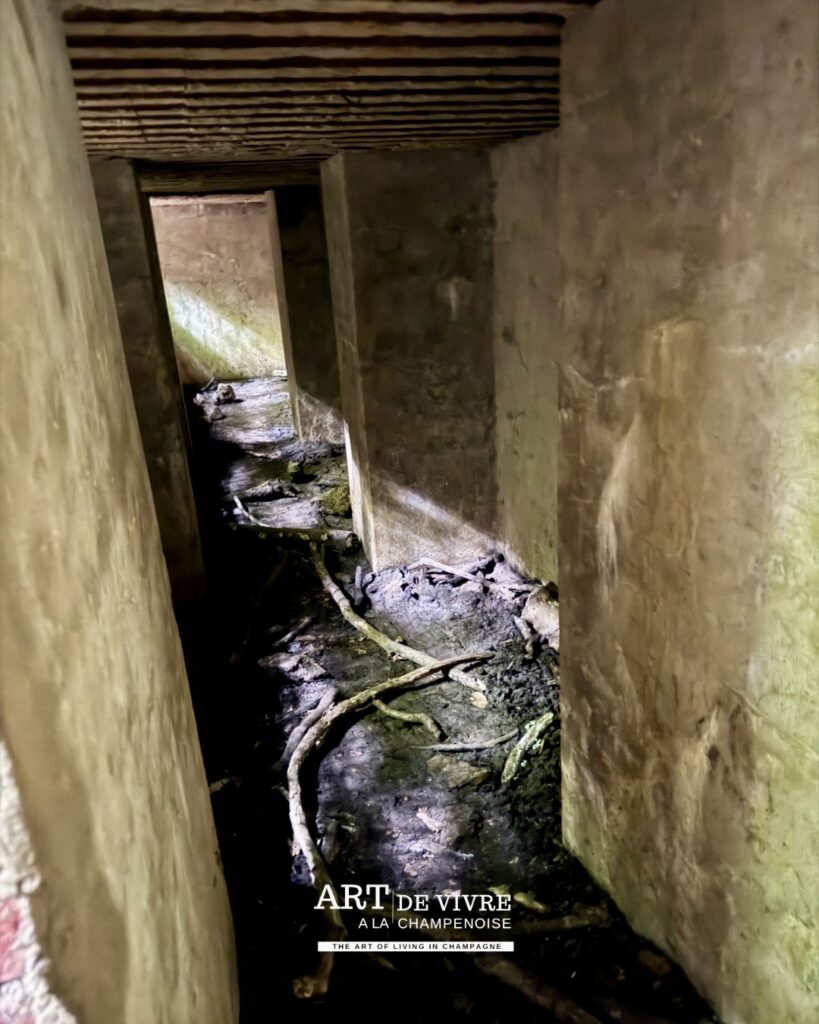
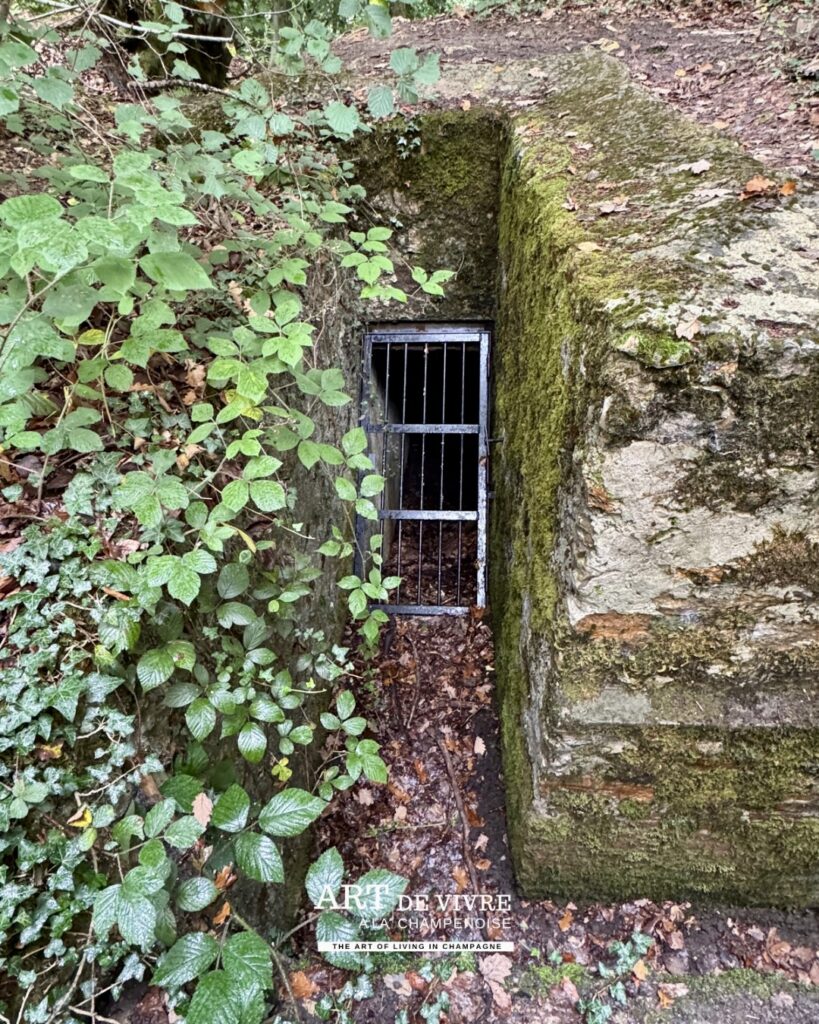
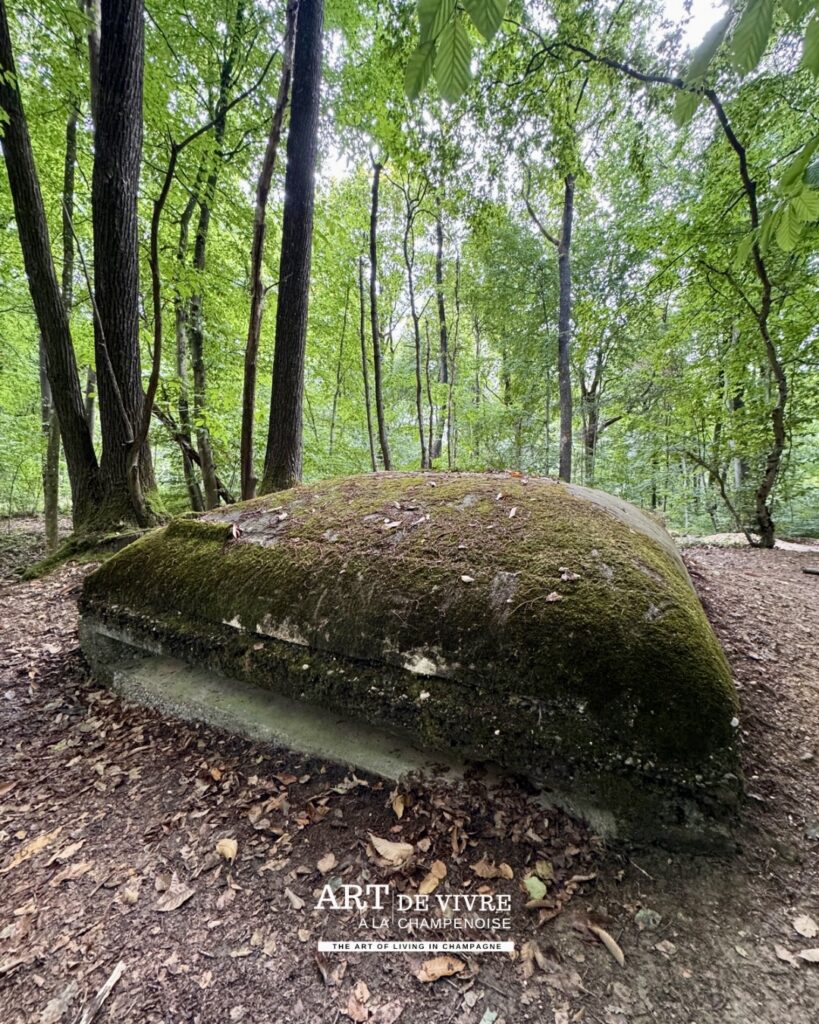
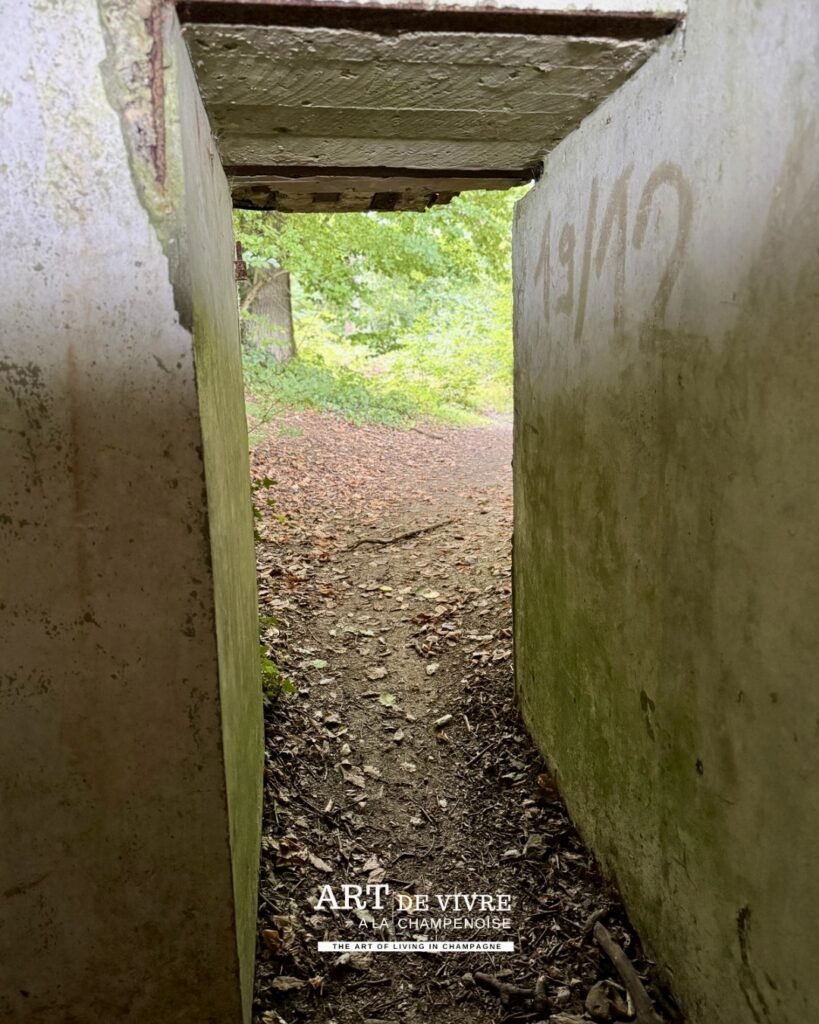
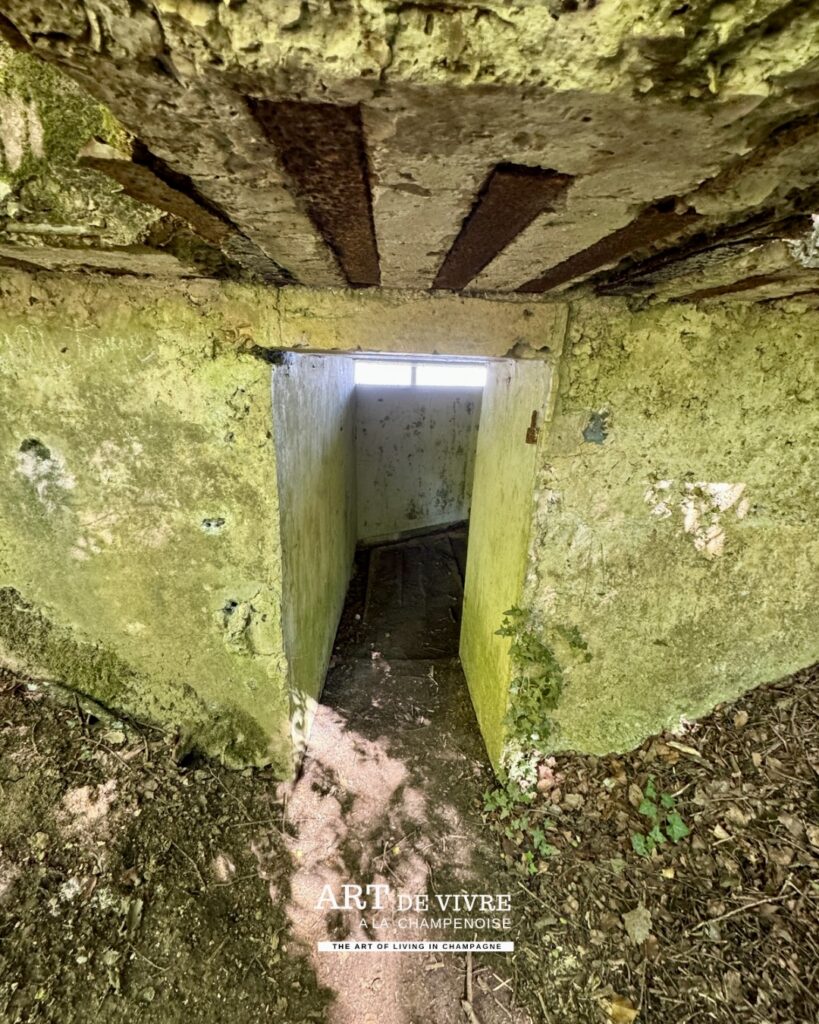
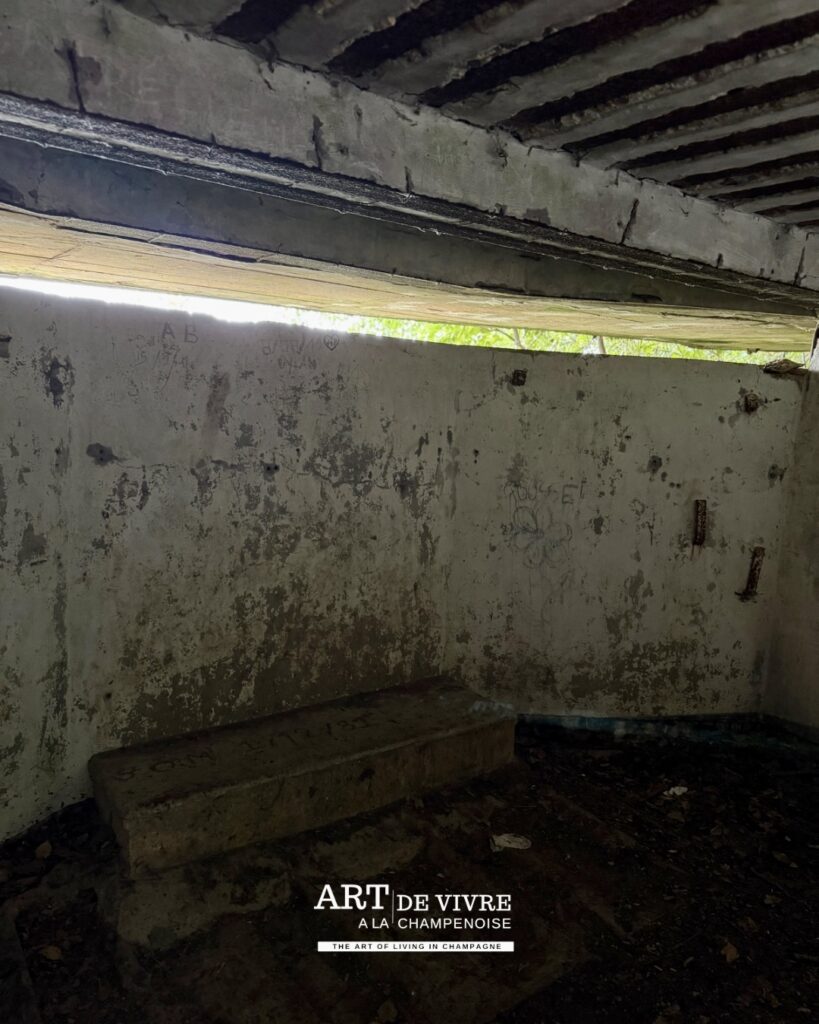
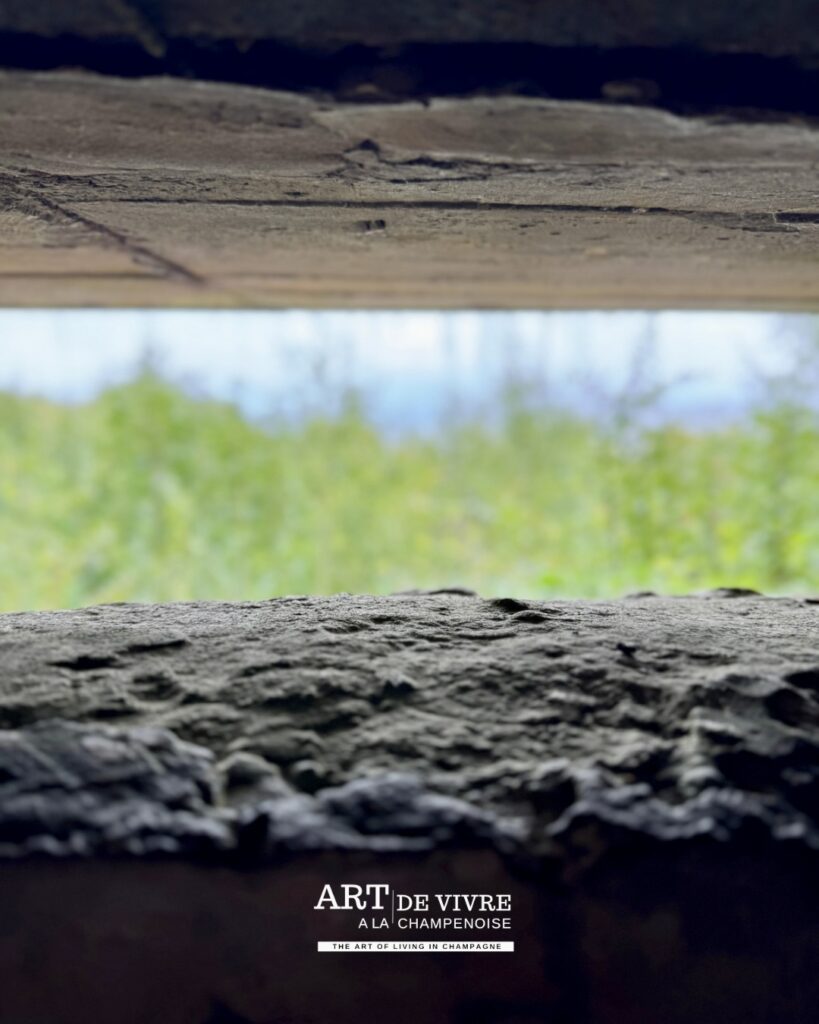
But the walk is not limited to these natural curiosities. Walking the paths of the Montagne de Reims, the eye also stops at remains of the Second World War: a former lookout post, near the Mont-Sinaï viewpoint, is a reminder that these forests were also a strategic place and a witness of History.
Between gnarled trunks, medieval legends and traces of the 20th century, the Faux de Verzy offer a unique walk, where each step brings you a little closer to nature and collective memory.