
Winegrowers’ wellbeing in Champagne is becoming a strategic issue. Between economic pressure, family succession and isolation, estates now need to embrace new human approaches…
Winegrowers’ wellbeing in Champagne depends on a balance between economic performance, emotional stability and the quality of human relationships within the estate. Today, this balance is becoming a strategic lever for ensuring the long-term future of estates.
Soothe, listen, bounce back: winegrowers’ wellbeing at the heart of the estates
Between economic demands, family succession and daily pressure, tensions within wine estates often go unseen. Two professionals, Béryl Pic-Pâris and Nathalie Gallois, help winegrowers and managers towards greater serenity, balance and wellbeing through mediation, mental preparation and training.
Winegrowers’ stress and isolation
The wine world, steeped in passion and heritage, is also a place of strong emotions. Between administrative constraints, financial issues and working with family or a team, tensions can quickly set in. “Winegrowers carry heavy responsibilities, often alone, in the weight of silence,” observes Béryl Pic-Pâris, professional coach, certified mediator and co-founder of Aurea Conseils. “The pace of work, strategic decisions and human relationships, especially within families, are intertwined. All it takes is a poorly expressed or unspoken disagreement for trust to crack.”
Long overlooked, winegrowers’ fulfilment at work is now essential to the long-term survival of estates. Mental fatigue, latent conflicts or isolation can weaken cohesion and hold back collective performance.
Mediation and coaching in viticulture
When tension erupts, mediation acts as a peacemaking tool. “Mediation restores dialogue where there is none left, methodically giving everyone back their place and their voice,” explains Béryl Pic-Pâris. “It is of course a neutral, caring but demanding framework. The aim is not to point the finger at anyone, but to rebuild healthy, lasting communication. One goal: to find shared solutions leading to a written and accepted agreement, enabling notaries, chartered accountants and other partners to do their work.”
The benefits of coaching:
- better stress management
- calmer communication
- clearer decisions
Performance and balance on the estate
Coaching, for its part, acts upstream of or alongside this process. It helps managers know themselves better, strengthen their stance and find new resources in the face of stress or change. “Coaching helps you move from reaction back to action, with clarity and confidence, while working on valuing the person,” adds Béryl Pic-Pâris.
Nathalie Gallois, an expert in performance optimisation and mental coach, co-founder of Aurea Conseils, knows the wine world well. “The idea is to create a space for discussion that allows a real emotional release.” The key lies in the balance between high standards and kindness.
Knowing how to say No
Trained in stress management and assertiveness, notably with a method used for the mental preparation of athletes, she supports winegrowers in individual or group programmes. “Running an estate is, at certain times of the year, like competing in the Olympic Games. Performance cannot be decreed; it is built methodically with clarity and serenity. And as for an athlete, there are phases of intense activity and necessary periods of rest. A calm winegrower means a more stable team and family, fairer decisions and a more sustainable estate.”
“In a context where everything is speeding up, knowing how to say no, communicate, delegate, listen to your body – often seen as a sign of weakness by winegrowers – and set boundaries are strategic skills. Wellbeing and self-esteem are not a luxury, they are a long-term investment.”
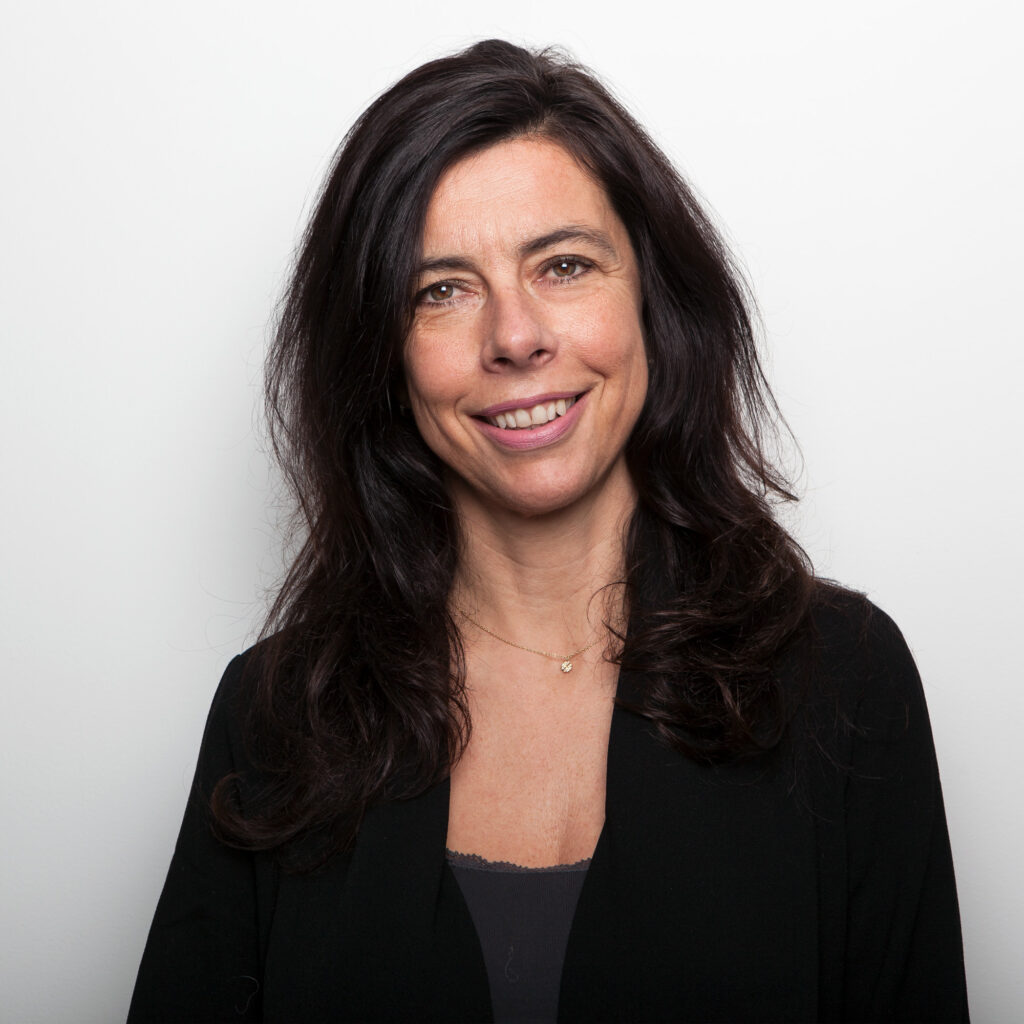
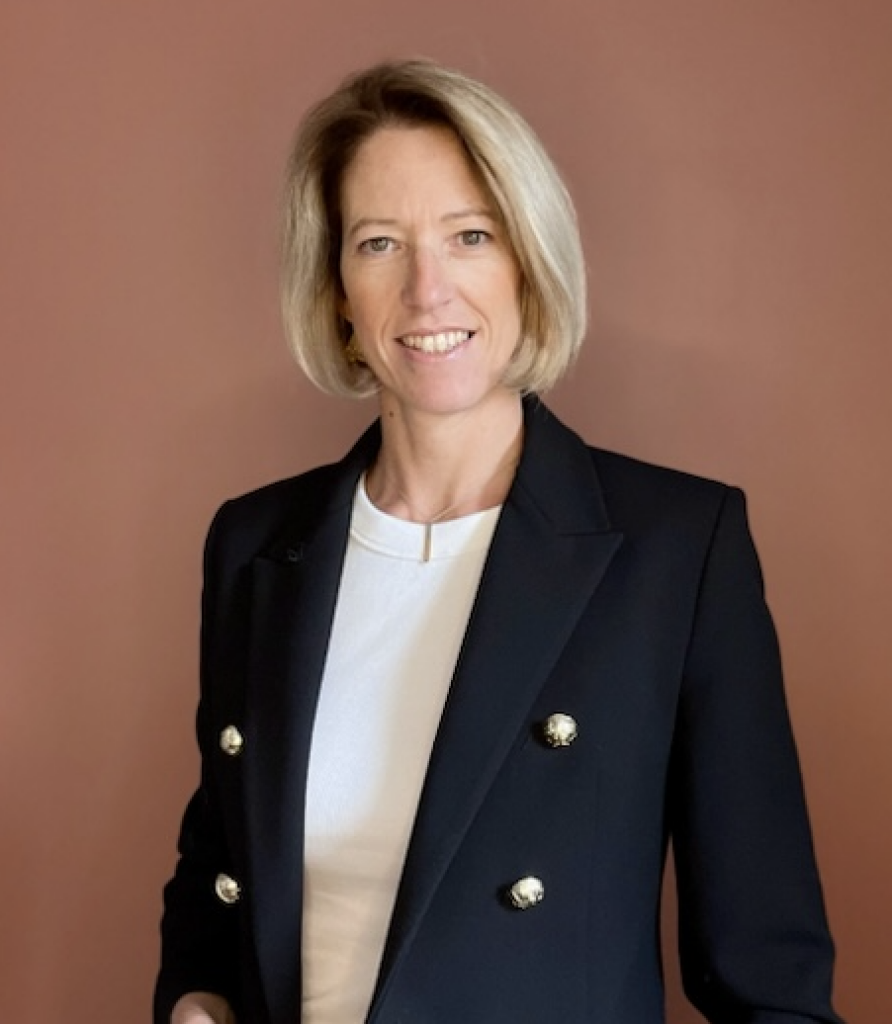
(Photos: Beryl Pic Paris / Nathalie Gallois)
Anticipating tensions on estates
These two winegrower wellbeing professionals combine their expertise to offer tailor-made support blending coaching, mental preparation and mediation. By raising winegrowers’ and managers’ awareness of communication, emotion management, self-esteem and management style, many misunderstandings are avoided.
“You can’t lead well if you are exhausted yourself,” concludes Nathalie Gallois. “Rediscovering meaning and energy also means rediscovering the pleasure of doing this job.”
Encouraging signs
People are speaking out, the tools exist and attitudes are changing: an encouraging sign for an entire profession seeking a balance between performance and wellbeing. Because a calm winegrower is also a clearer-thinking business leader, GEC Global Experts Conseils acts as a true partner on the ground. As a training centre, it supports and promotes the programmes developed by Auréa Conseils on leadership, communication and wellbeing at work. Alongside the Pôle Champagne Vitalyance, these partners share the same ambition: to offer practical, lasting solutions to the human issues encountered on estates.
More information:
Auréa Conseils
GEC Global Experts Conseil
Vitalyance Pôle Champagne
Why has winegrowers’ wellbeing become a major issue?
The economic, climatic and human context of viticulture is increasing the pressure on growers. Wellbeing is becoming a key factor in long-term survival.
What are the main sources of stress for winegrowers?
Financial pressure, weather hazards, estate succession and isolation are the main factors.
What solutions exist to improve wellbeing in viticulture?
Coaching, mediation, mental preparation and human support help manage tensions better and anticipate difficulties.
Does wellbeing affect an estate’s performance?
Yes. A calm grower makes better decisions, improves people management and strengthens the sustainability of their business.
READ ALSO: EXPERT VIEWS
Climate and Champagne: between vineyard adaptation and microbiological control (Olivier Piazza)
Climate and Champagne: between vineyard adaptation and microbiological control (Christophe Gerland)
Estate succession in Champagne: plan ahead to succeed
Climate: 2025, ripening speeds up!