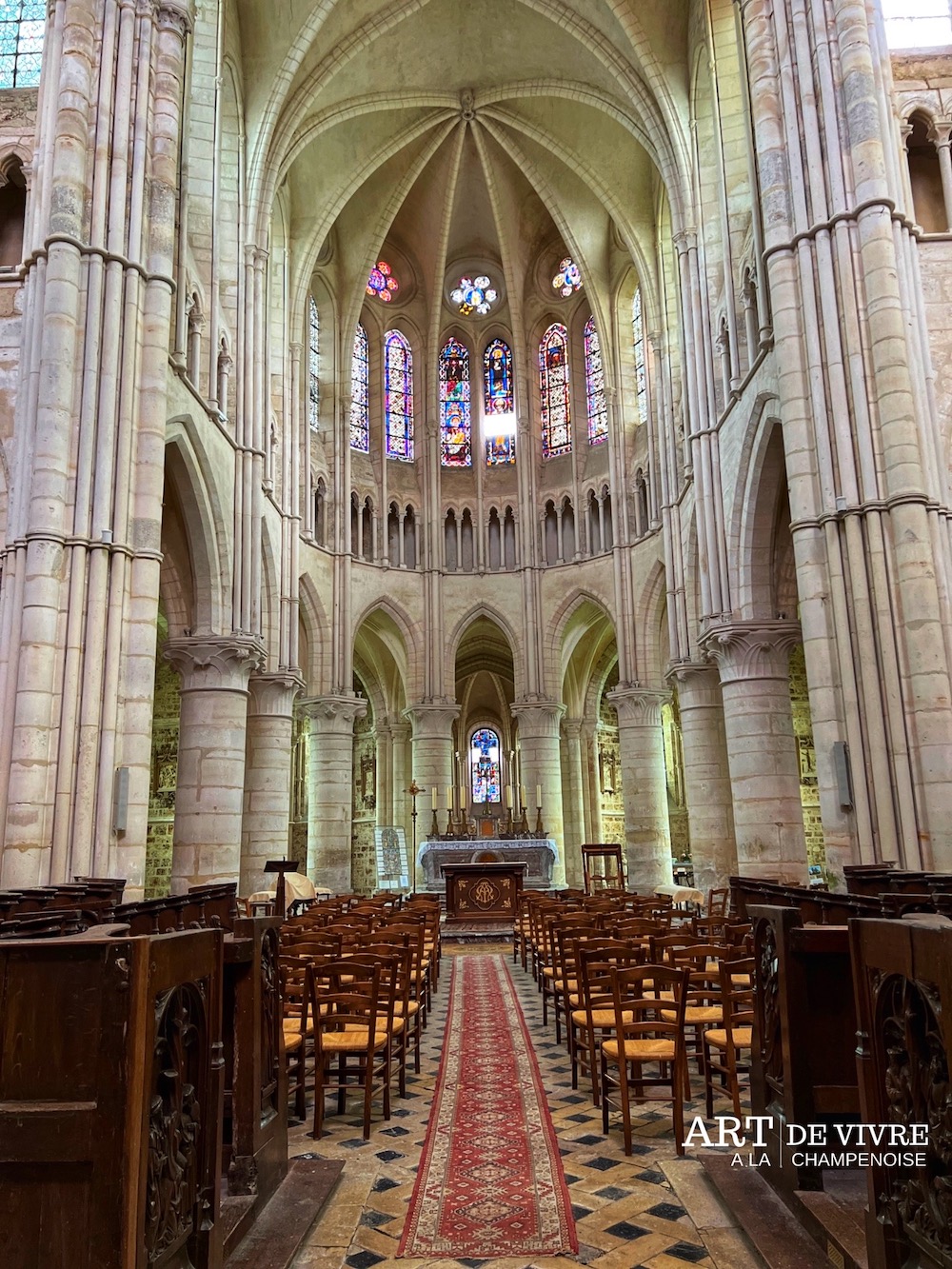
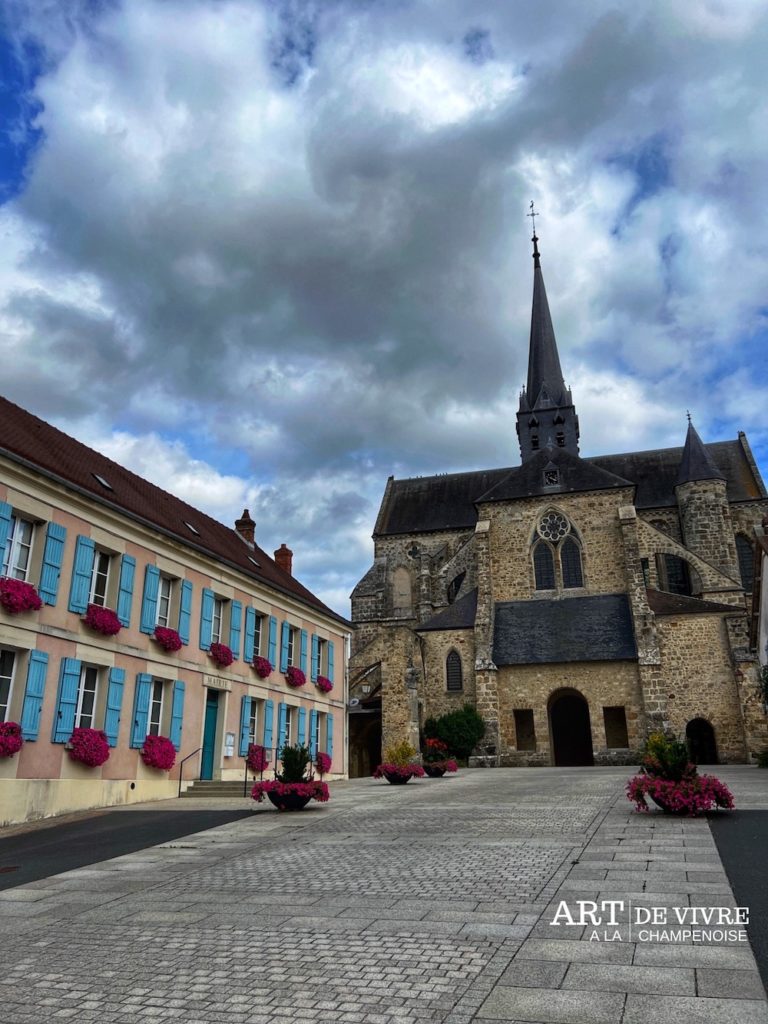
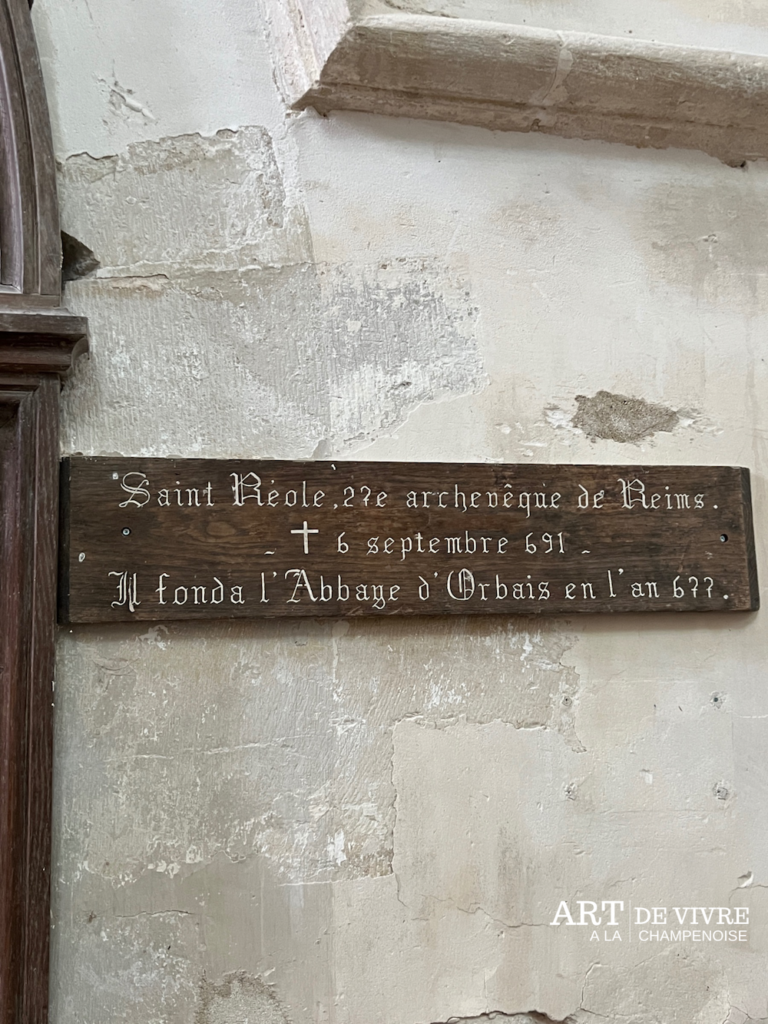
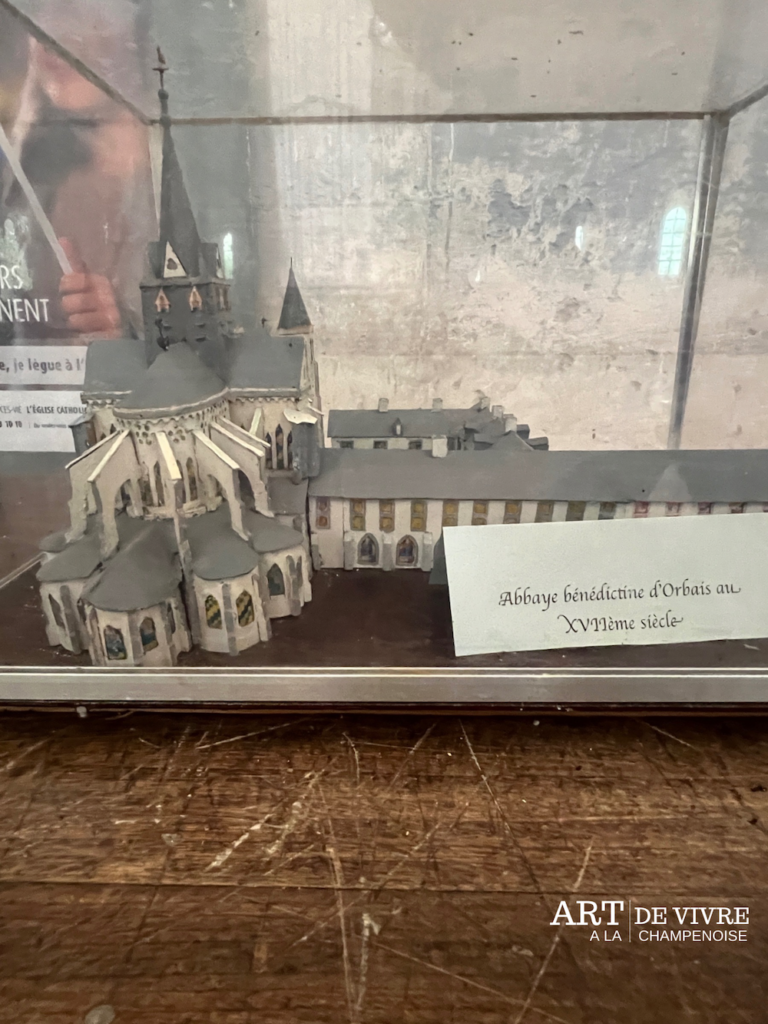
The Church of Saint-Pierre in Orbais-l’Abbaye, located a few kilometres south of Epernay, is a true historic treasure. Founded in the 8th century, the history of the abbey is closely linked to the life of Saint Réole, an evangelising monk who settled in the region around 677. He founded a monastery that would later become the abbey of Orbais. The first 6 monks, placed like their brothers of Hautvillers under the rule of Saint Benedict and Saint Columbanus, would be joined by 114 monks. They cleared the forests, drained the marshes to turn them into fish-filled ponds, and cultivated vegetables, aromatic and medicinal plants.
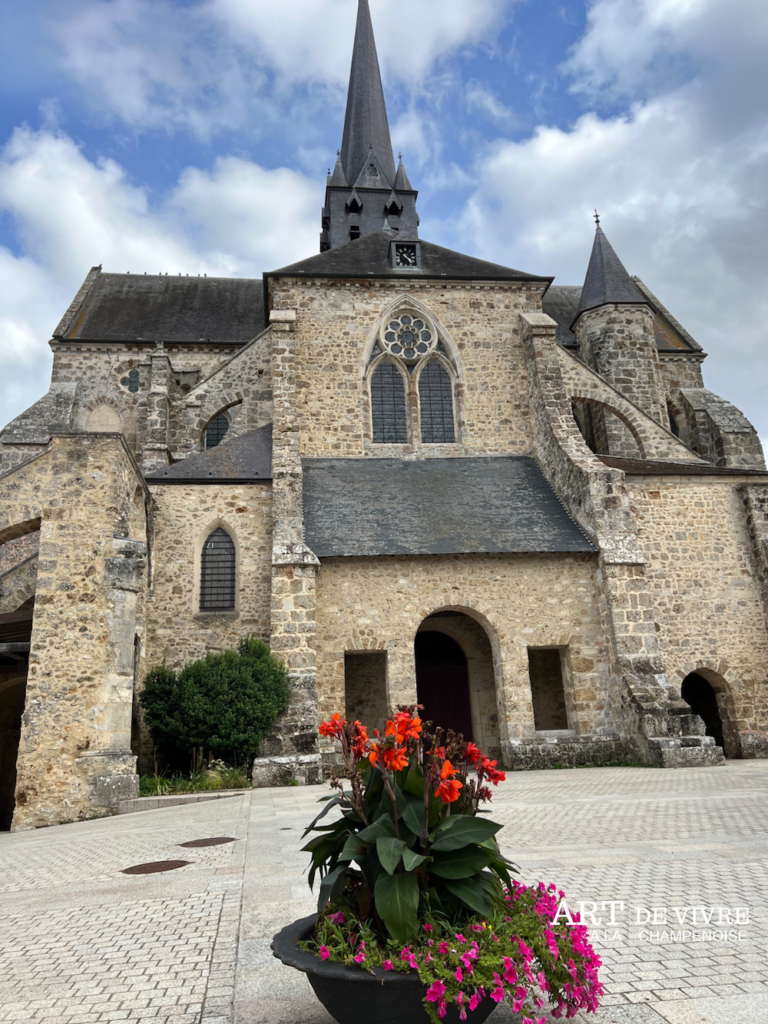
The abbey church presents remarkable architecture, blending Romanesque and Gothic elements. The pointed vaults and the round arches bear witness to the passage of time and the evolution of architectural styles.
Over the centuries, the abbey has played a key role in the spiritual and cultural life of the region. It was the centre of intellectual activity, housing a library and serving as a place of training for many monks. The monks copied manuscripts with rich illuminations there, thus contributing to the preservation of ancient knowledge.
However, like many religious institutions, the abbey was affected by the troubles of history, notably during the Hundred Years’ War (1420) or during the French Revolution on Easter evening, 3 April 1791, when many ecclesiastical properties were confiscated. Fortunately, a large part of the abbey survived and was restored, but deprived of the 7 bays of its nave, of its façade with three sculpted portals topped by two towers, like Saint Remi of Reims.
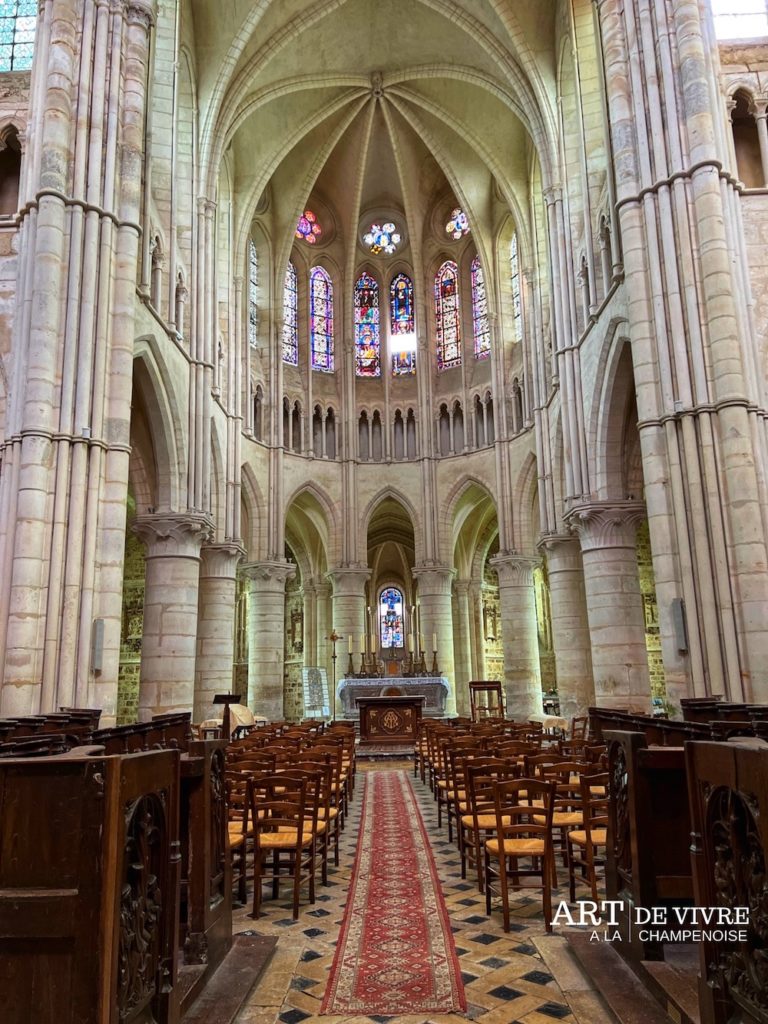
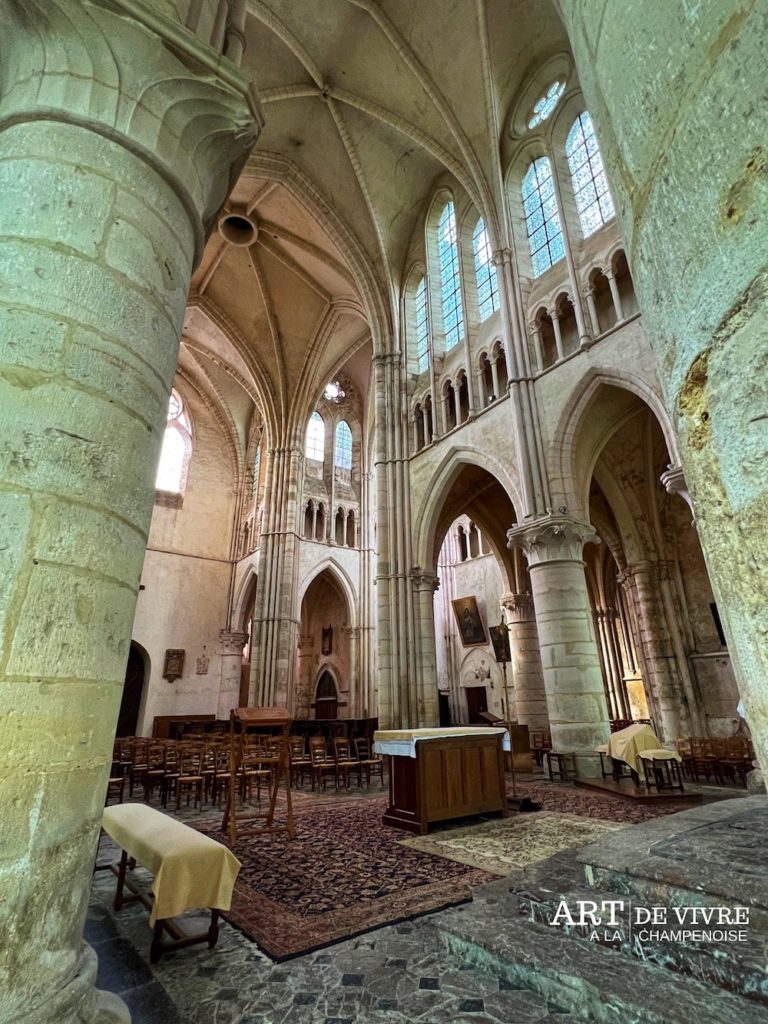
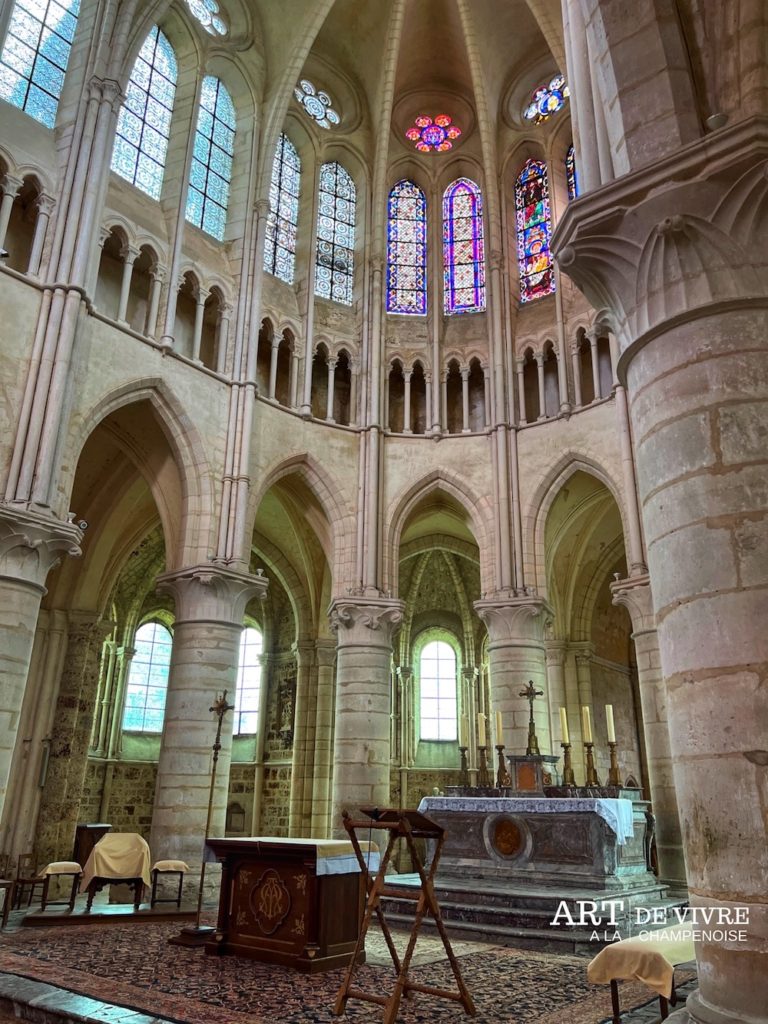
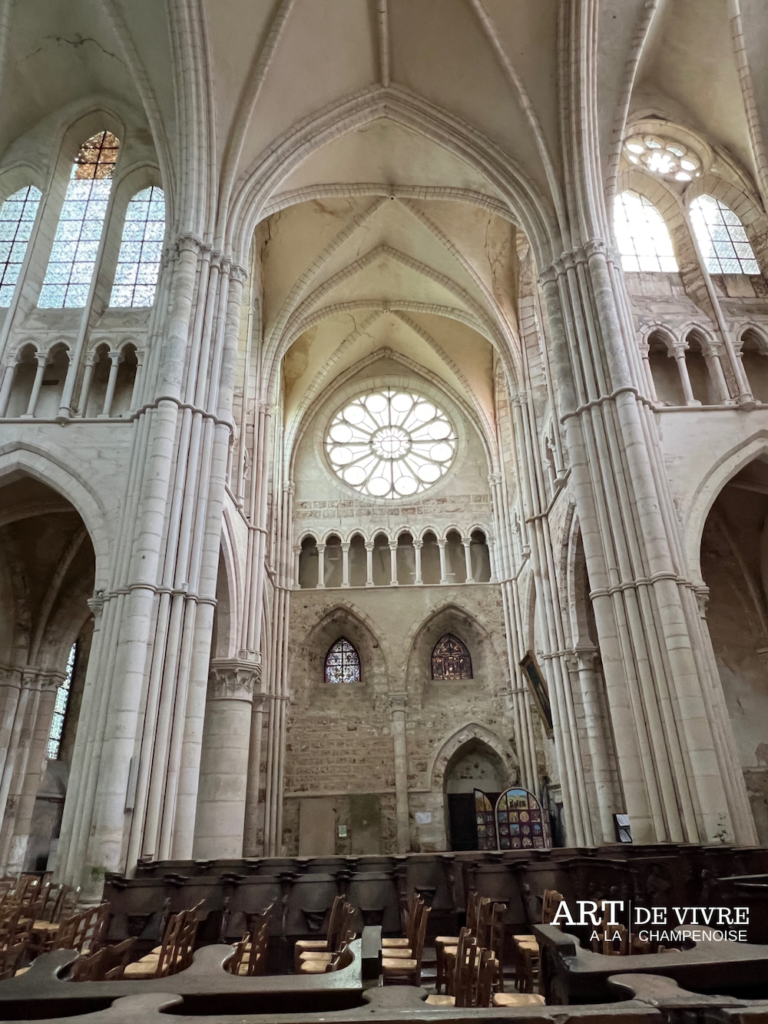
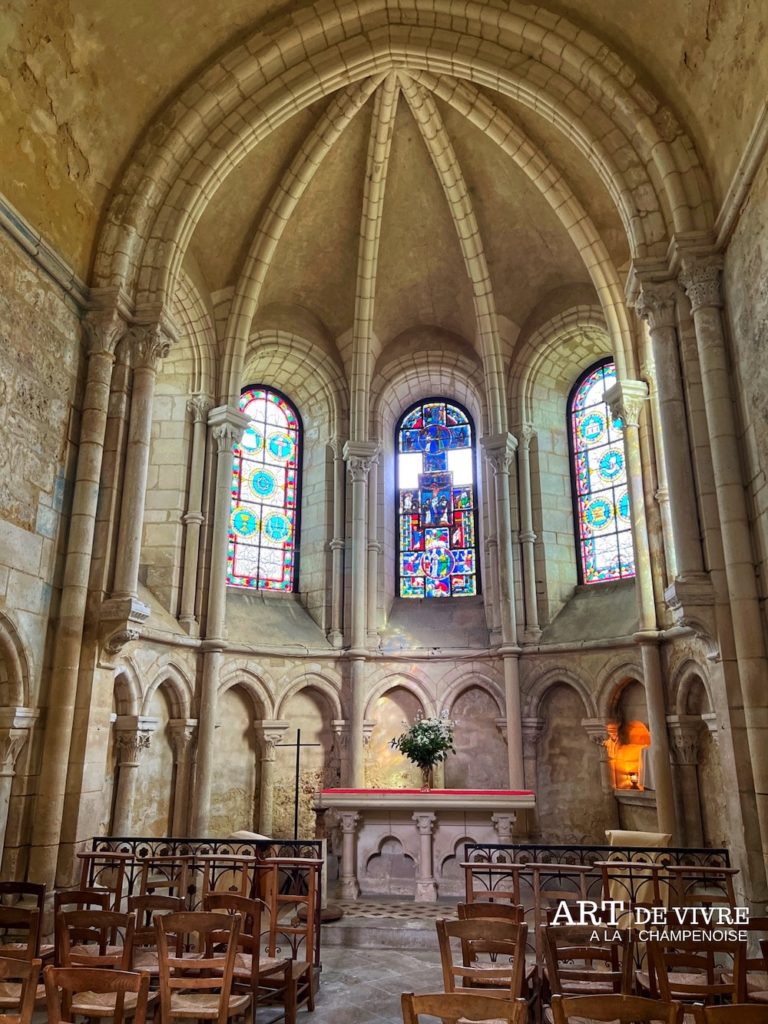
Today, the Abbey of Orbais-l’Abbaye is a historic and cultural site open to the public. The abbey church remains one of the great Gothic historic monuments of Champagne, no doubt thanks to the architect Jehan d’Orbais, later called by the archbishop of Reims to rebuild Notre-Dame cathedral.
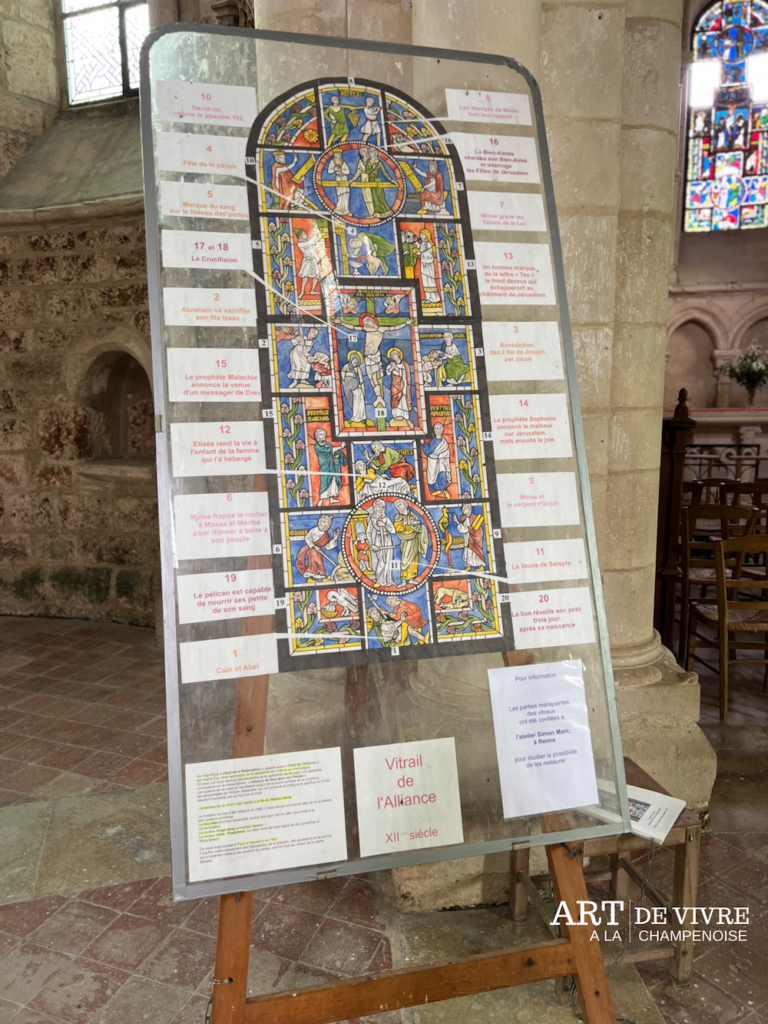
Several 12th- and 13th-century stained-glass windows still survive today, witnesses to the art and mystical fervour of medieval glassmakers, notably in the high windows of the choir, in the axial chapel of the apse, and finally in the south arm of the transept, in addition to the arms of France and of Champagne, no doubt borne by Thibaut IV, Count of Champagne and benefactor of the abbey. The Alliance Window is moreover explained to you in detail.
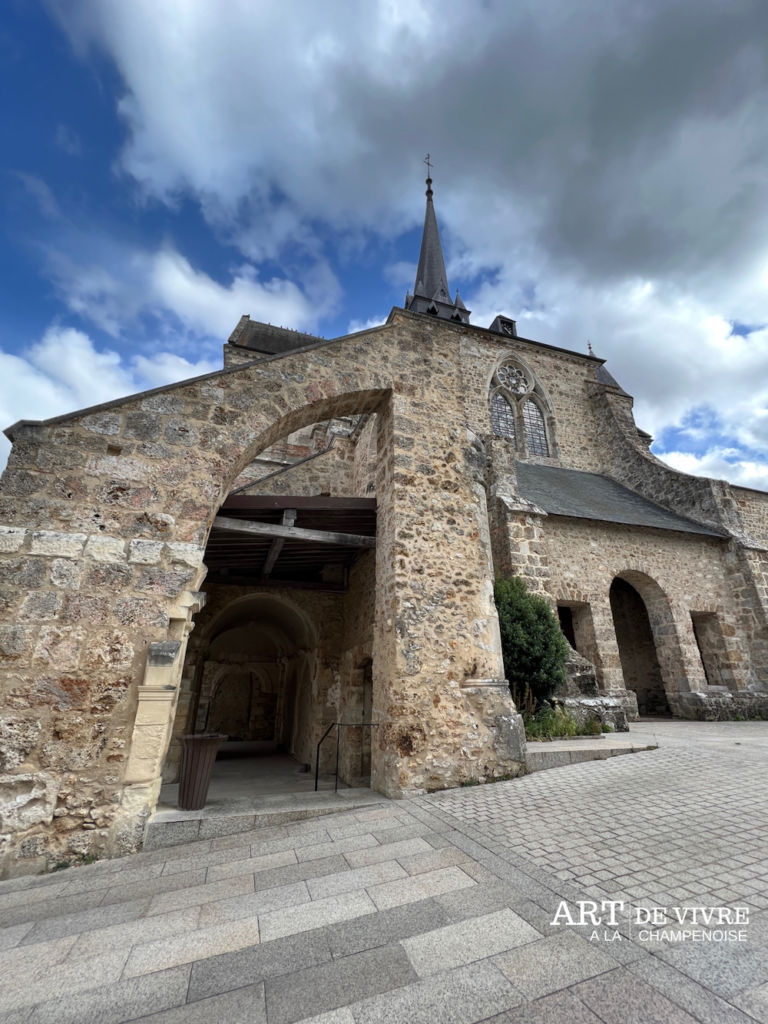
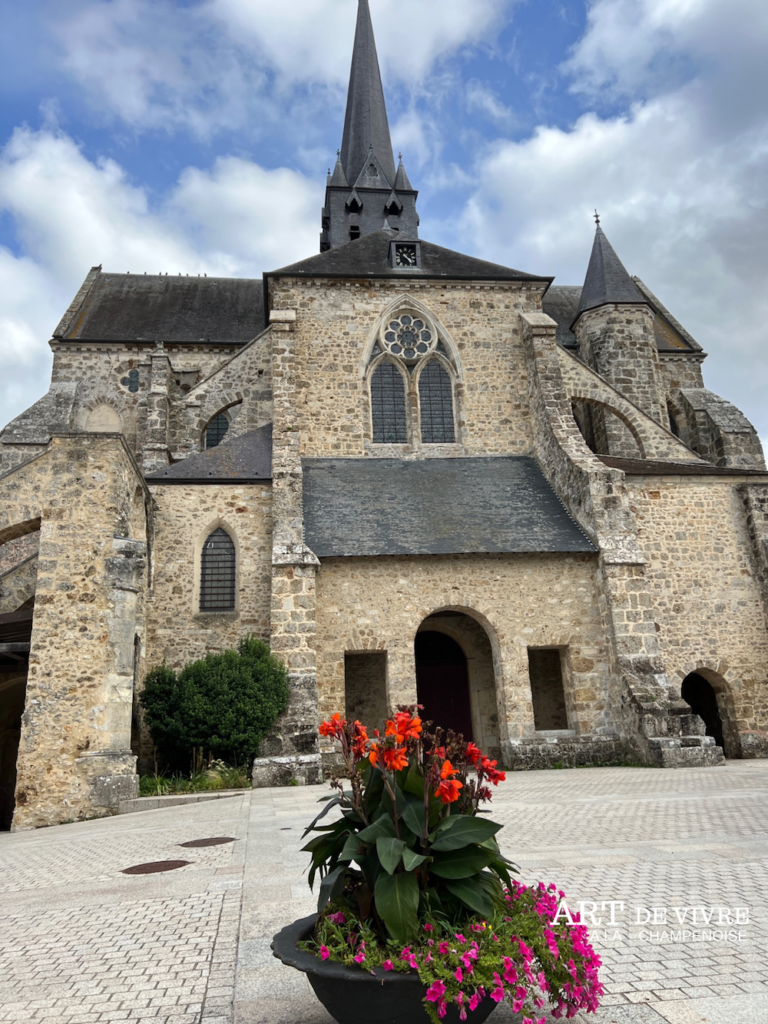
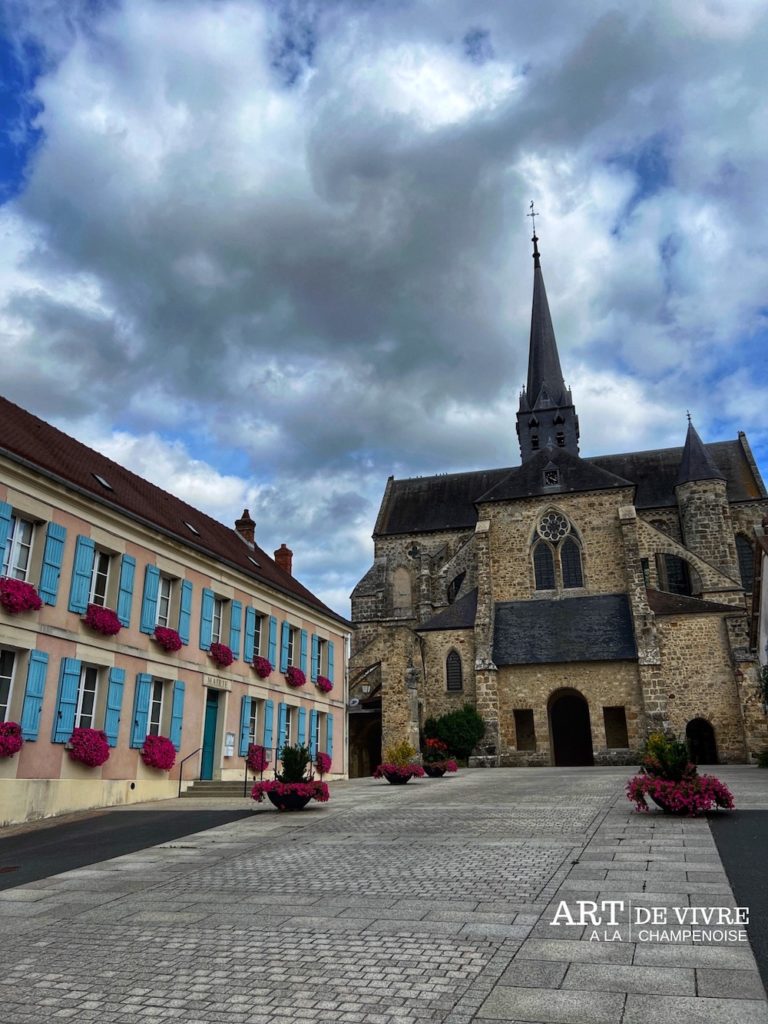
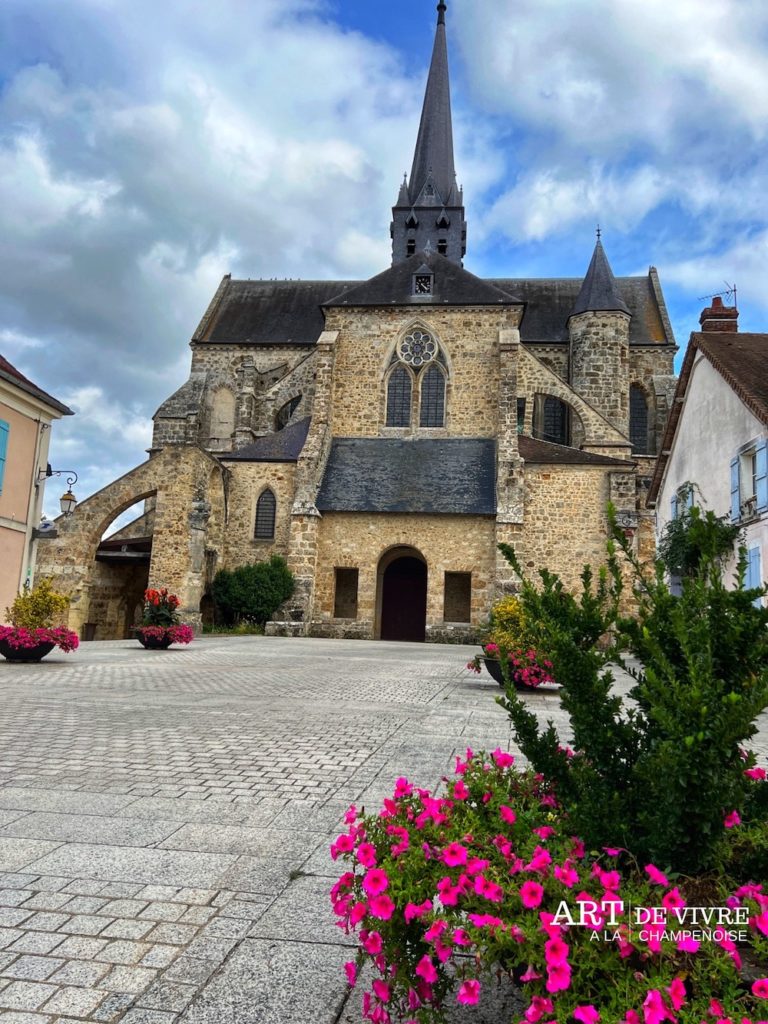
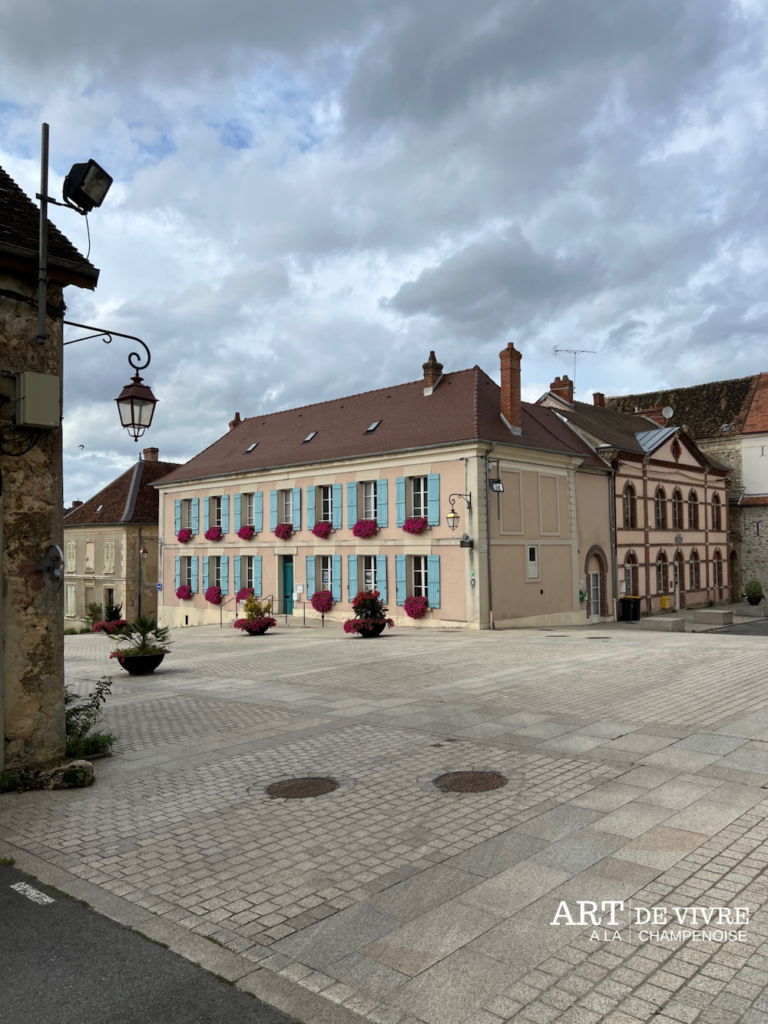
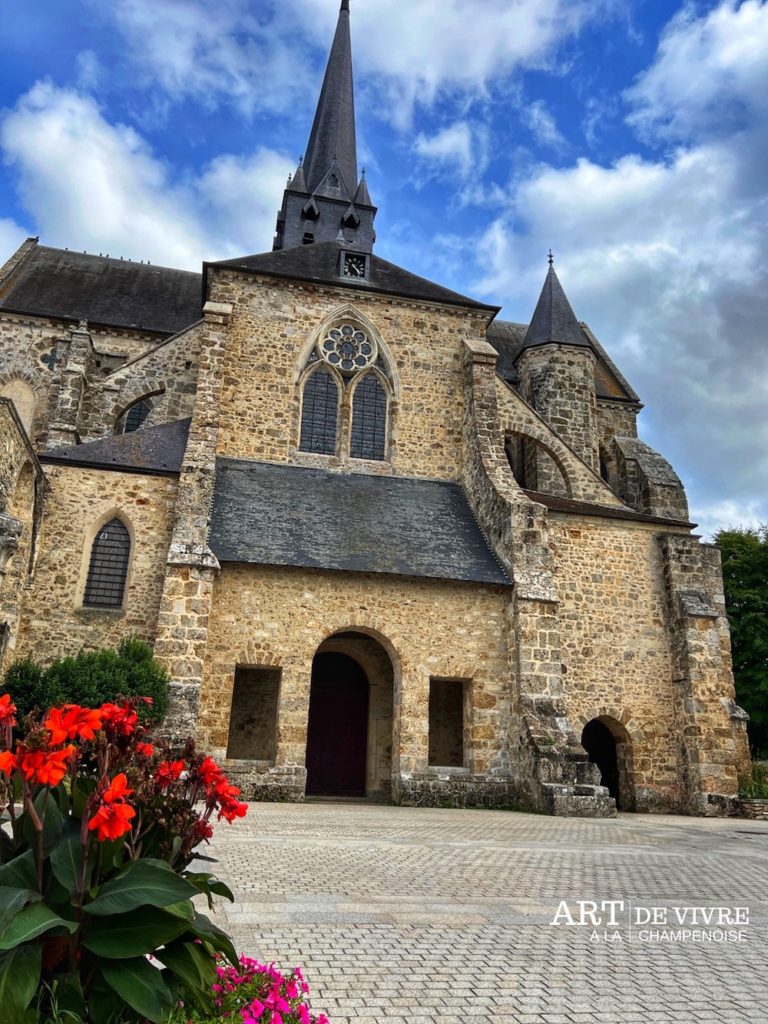
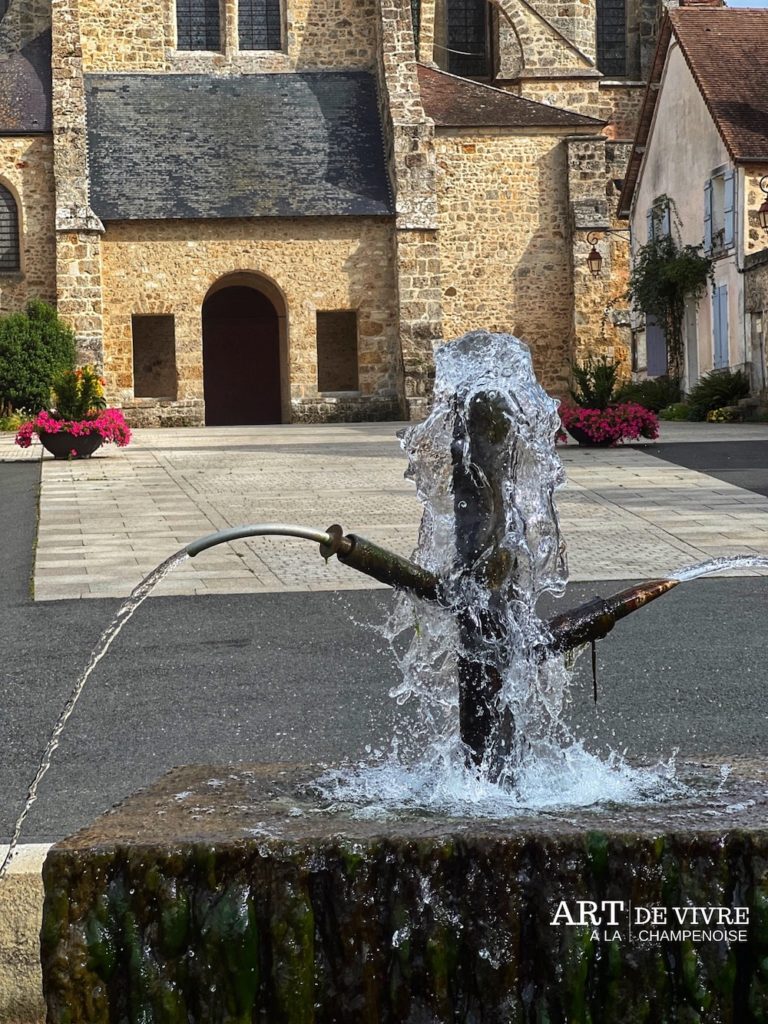
On the outside, of sober and bare beauty, one can admire the interplay of the elegant buttresses of the apse and the choir. Visitors can explore the remains of the abbey, admire its impressive architecture and feel the serenity emanating from this place steeped in history. It is a heritage treasure that recalls the importance of preserving our cultural heritage.